




Arbitration
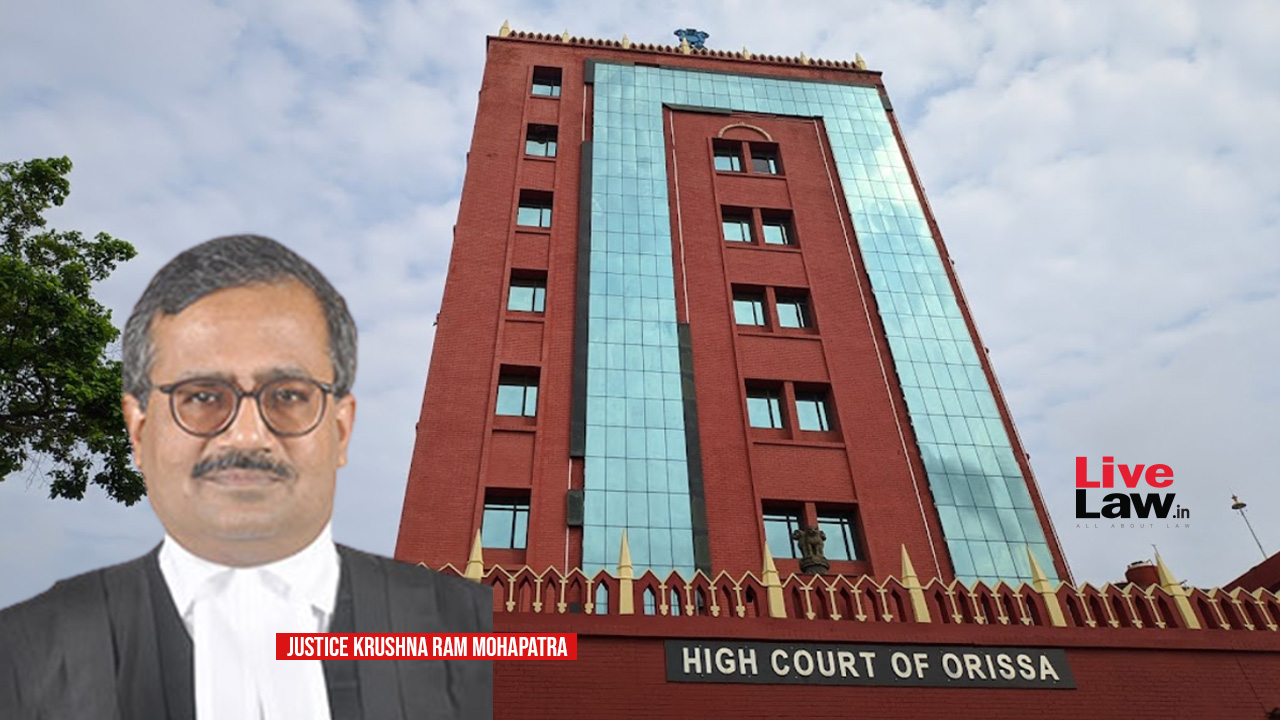
MSME Council's Order Declaring Jurisdiction To Decide Dispute Between Parties Can Be Challenged Only U/S 34 Of A&C Act: Orissa High Court
The Orissa High Court bench of Justice K.R. Mohapatra has held that once the MSME Council initiates arbitration following the termination of conciliation proceedings, any order passed by the Council regarding its jurisdiction to adjudicate the dispute can only be challenged under Section 34 of the Arbitration and Conciliation Act. The aggrieved party cannot invoke Article 227 of...
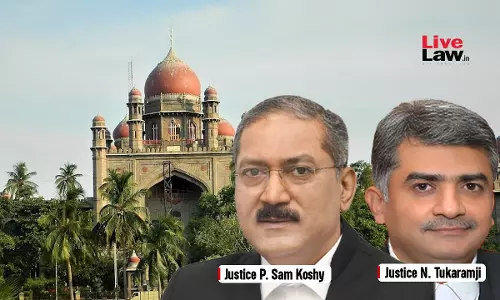
When Party Questions Validity Of Draft Agreement Containing Arbitration Clause, Reference Can't Be Sought Based On It: Telangana High Court
The Telangana High Court bench of Sri Justice P. Sam Koshy and Sri Justice N. Tukaramji has held that when a party, in its reply to a Section 8 petition under the Arbitration Act, has expressly denied the existence or validity of the agreements containing the arbitration clause by terming them null and void, such agreements cannot subsequently be relied upon by the same party as the basis...
Contractor Cannot Be Denied Payment For Extra Work Approved By Railways Through Their Actions: Bombay High Court
The Bombay High Court bench of Justice Somasekhar Sundaresan has held that a contractor cannot be denied payment for extra work that, while beyond the original scope of the agreement, was clearly consented to by the other party through its conduct. When such work is accepted, measured, and not objected to contemporaneously, the benefiting party cannot later claim it was beyond the...
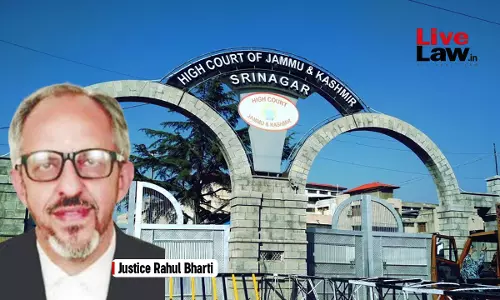
J&K High Court Resolves Arbitrator Fee Stalemate, Directs Centre To Deposit Fee As Per 4th Schedule Arbitration Act
In an order addressing the long-pending stalemate in an arbitration matter, the Jammu and Kashmir High Court directed the Union of India to deposit the arbitrator's fee as per the Fourth Schedule of the Arbitration and Conciliation Act, 1996, enabling the pronouncement of the arbitral award.The issue before the court was whether a government-prescribed internal fee structure for...
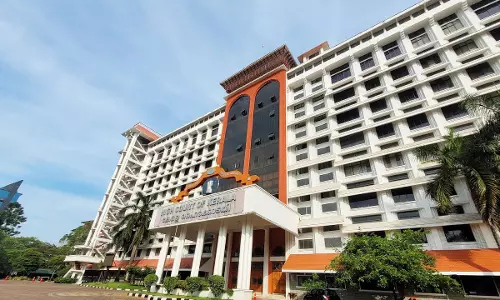
Party Barred From Taking Plea Of Duress After Accepting Full & Final Settlement Pursuant To Court Order: Kerala High Court
The Kerela High Court bench of Justice Syam Kumar V.M. and Justice Sushrut Arvind Dharmadhikari has held that when the payment due to the petitioner was made by the respondent pursuant to a court order explicitly directing it as full and final settlement of all liabilities, and the petitioner also issued a letter accepting the same, he cannot subsequently claim that the letter was...
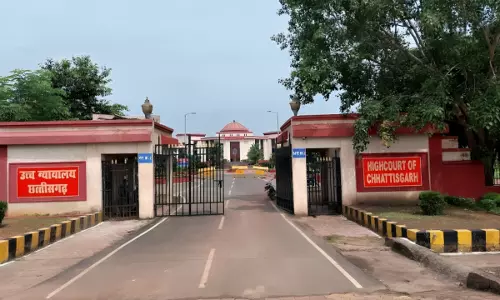
Reliefs Similar To Those Sought Before Arbitrator & Commercial Court Can't Be Claimed Before Writ Court: Chhattisgarh High Court
The Chhattisgarh High Court bench of Chief Justice Ramesh Sinha and Justice Bibhu Datta Guru has held that reliefs similar to those already sought before the Arbitrator and subsequently before the Commercial Court cannot be claimed before the writ court, especially when alternative efficacious remedies are available before the same forums for seeking such reliefs. Brief...
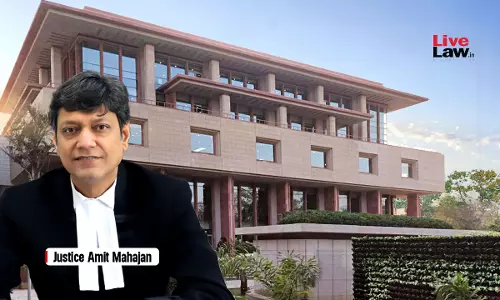
Jurisdiction Of Arbitral Tribunal Continues Despite Provisional Attachment Of Assets Under PMLA Or Parallel Proceedings: Delhi High Court
The Delhi High Court bench of Justice Amit Mahajan has held that the mere reference to certain assets in a provisional attachment order does not, by itself, oust the jurisdiction of the arbitral tribunal. Similarly, the pendency of parallel investigations by the CBI or ED into allegations of fraud does not bar the arbitrator from adjudicating the dispute. Arbitration proceedings...
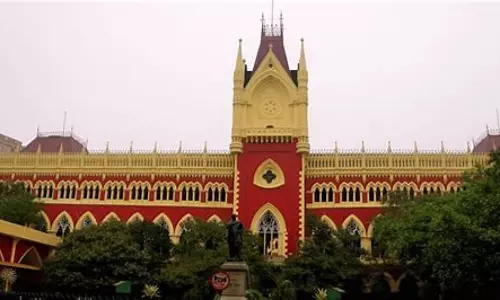
Arbitrator Can't Be Impleaded In Application U/S 36(2) Of A&C Act Unless Prima Facie Case Of Fraud Or Corruption Is Established: Calcutta HC
The Calcutta High Court bench of Justice Aniruddha Roy has held that when an application under Section 36(2) seeking unconditional stay of the award on the ground of fraud or corruption is pending adjudication, the question of impleading the person who delivered the award does not arise at such a premature stage. Unless the court, upon examining the application, arrives at a prima...
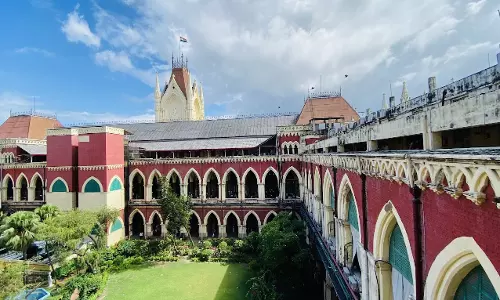
Injunction Can't Be Granted In Absence Of Any Risk Of Assets Dissipating Or Pleadings Indicating Frustration Of Award: Calcutta High Court
The Calcutta High Court bench of Justice Shampa Sarkar has held that at this stage, the petitioner is adequately secured under the schedule to the deeds of hypothecation agreement. The respondent remains fully operational and continues its business activities. There is nothing in the pleadings to suggest that the respondent has attempted to remove or alienate its assets in a...
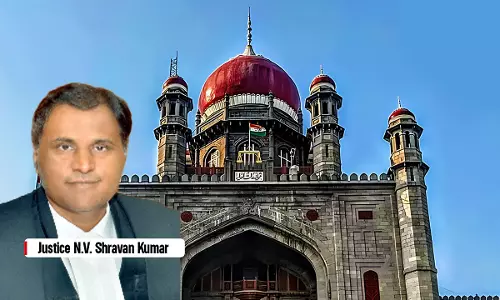
When Mandate Of Arbitrator Is Terminated U/S 15 Of Arbitration Act, New Arbitrator Can't Be Appointed By Court U/S 11(6) Of Act: Telangana HC
The Telangana High Court bench of Justice N.V. Shravan Kumar has held that when the mandate of an arbitrator terminates under Section 15 of the Arbitration Act, a substitute arbitrator must be appointed in accordance with the original procedure agreed upon by the parties. In such cases, the court cannot appoint a new arbitrator under Section 11, as the appropriate course is to appoint...
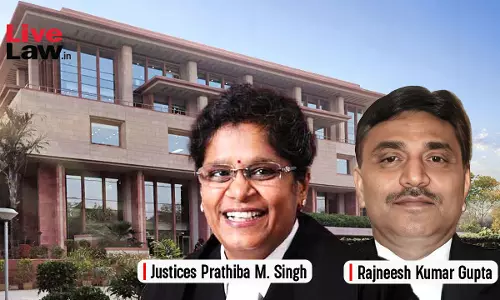
'File Movement' & 'Change In Counsel' Not Sufficient Cause For Condonation Of Delay In Filing S.37 Arbitral Appeals: Delhi High Court
The Delhi High Court bench comprising Justice Prathiba M. Singh and Justice Rajneesh Kumar Gupta has held that mere movement of file and change in counsel due to administrative issues does not constitute “sufficient cause” to condone inordinate delay in filing an appeal under Section 37 of the Arbitration and Conciliation Act, 1996.The court reiterated that for appeals under Section 37...
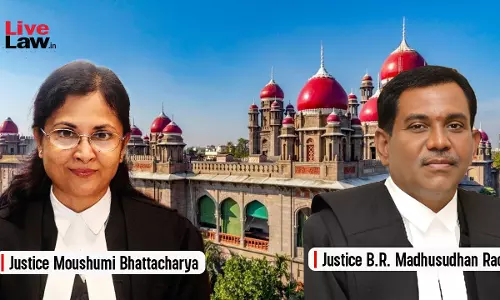
Award-Holder Can't Be Denied Withdrawal Of Amount Deposited Pursuant To Stay Merely Because Award Debtor May Succeed In Appeal: Telangana HC
The Telangana High Court bench of Justice Moushumi Bhattacharya and Justice B.R. Madhusudhan Raohas has held that the award holder can be allowed to withdraw the amount deposited by the award debtor in pursuance of stay on the execution of the award. The award holder cannot be prohibited from withdrawing the amount only on the ground that the award debtor may succeed in the...