


Articles
![All you need to know about the new Mental Healthcare Bill, 2016 [Read the Bill]](https://www.livelaw.in/cms/wp-content/uploads/2016/08/Mental-Health-Care-Bill-1.jpg "All you need to know about the new Mental Healthcare Bill, 2016 [Read the Bill]")
All you need to know about the new Mental Healthcare Bill, 2016 [Read the Bill]
The Mental Healthcare Bill, 2016 was passed by Rajya Sabha last week, and is expected to be discussed in Lok Sabha during next session. The Bill repeals the existing Mental Health Act, 1987, which is vastly different in letter and spirit. The Act of 1987 had been widely criticised for proving to be inadequate to protect the rights of mentally ill persons. Here are certain things you need to know about the new Bill:1. Mental Healthcare Bill seeks to decriminalise the Attempt to Commit...
Bharat Bandh: Know your rights and duties during Hartal
Are you legally bound to stay put in your home on a hartal day? Is it legal to bring essential services like banking and public transport to a grinding halt? What are your rights and duties on a hartal day? To know, read on…Over 15 crore workers in central public sector undertakings are expected to go on a nation-wide strike today in response to the Bharat Bandh call by 10 Left-affiliated unions in protest against ‘anti-labour’ policies of the government, bringing normal life to a halt. The...
Salient Features of Motor Vehicles Amendment Bill 2016
The Motor Vehicles(Amendment) Bill 2016, introduced in the Lok Sabha by the Union Minister of Road Transport and Highways, Sri. Nitin Gadkari, on 09.08.2016, seeks to bring about comprehensive changes in the present Motor Vehicles Act. The salient features of the Bill are as follows :-Limits on insurer’s liabilityThe proposed amendment seeks to put a cap on the liability to be borne by insurance companies in respect of third party claims. As per the present Act, the liability of the insurer for...

15 Facts Everyone should know about Indian Sedition Law
1. Section 124A in Chapter VI of Indian Penal Code deals with the Offence ‘Sedition’. Chapter VI deals with ‘Offences against the State'.2. The word ‘Sedition’ is not mentioned in 124A. The Section reads as follows;124-A. Whoever by words, either spoken or written, or by signs, or by visible representation, or otherwise, brings or attempts to bring into hatred or contempt, or excites or attempts to excite disaffection towards, the Government established by law in India, shall be punished with...
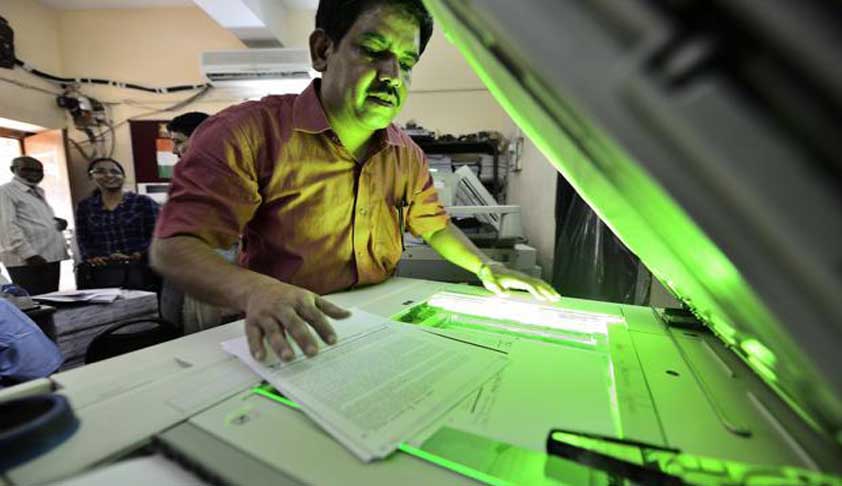
Delhi University Photocopy Shop Judgement: A Landmark In The Access To Knowledge Movement In India
The litigation initiated by some of the major publishers like Oxford University Press and Cambridge University Press against University of Delhi and a small scale photocopy service operating within the premises of Delhi School of Economics (University of Delhi) has been one of the most keenly watched litigations in the area of copyright law. The photocopy service in question has been selling to students course packs based on syllabi prescribed by the University. Some of those course packs had...
In SPS Rathore Case, SC Addresses Three Vital Questions Of Law
In SPS Rathore vs. CBI & Ors., the Supreme Court has dealt with three important questions of law in respect of ingredients of Section 354 IPC, admissibility of former statements u/s 157 Evidence Act and evidentiary value of expert opinion by a handwriting expert.Live Law had reported on Friday about the upholding of conviction of former DGP of Haryana SPS Rathore in Ruchika Girhotra molestation case, though his sentence was reduced from one and half years to the sentence already served. Read...
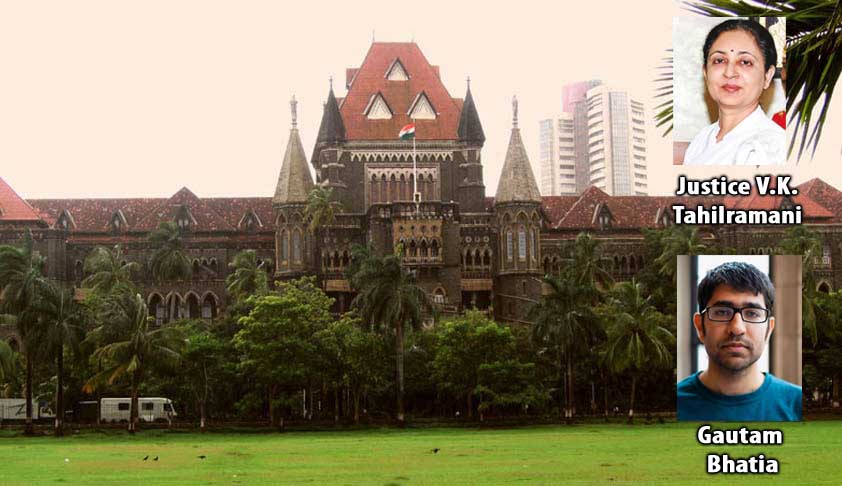
The Bombay High Court’s Abortion Judgment: Some Unanswered Questions
On 19th September, a division bench of the Bombay High Court handed down a judgment on the interpretation of the Medical Termination of Pregnancy Act, 1973 (India’s abortion law). The case arose out of a suo motu PIL, which itself had arisen out of concern with the deplorable condition of a female prison inmate, but was subsequently expanded to deal with the termination of pregnancy of female prison inmates in general.After considering the implementation of the Rules in the Maharashtra Prisons...
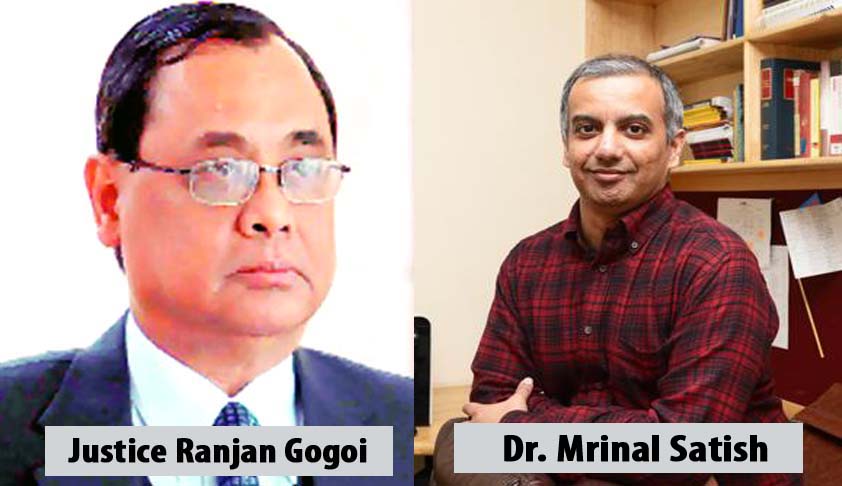
The Soumya Murder Case: The Supreme Court And The Causation Quagmire
The Supreme Court deciding an appeal in the Soumya rape and murder case, acquitted the appellant, Govindaswamy of murder, and set aside the death sentence imposed on him by the trial court and the Kerala High Court. The judgment of the Court in Govindaswamy v. State of Kerala, has been a topic of intense discussion and debate over the last week. The State of Kerala is reportedly planning to file a review petition pointing out the legal errors in the judgment. Putting aside questions relating to...
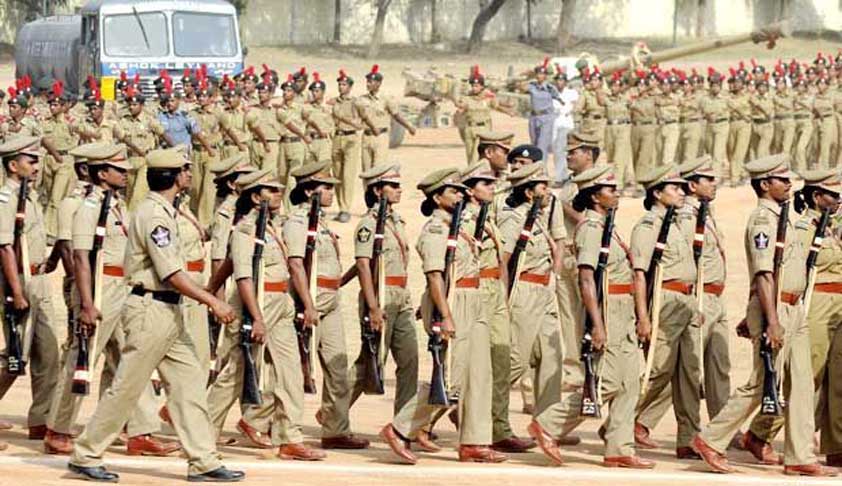
Commissions, Court & Contempt : A Decade Of Police Reforms
The chief object of Police is prevention, investigation and detention of crime and maintenance of law and order. The police system in India is guided & governed by the colonial Police Act of 1861 which was continued after independence. Following the mandate under Section 3 of this Act, ‘Police’ was included in the State list of the Seventh Schedule of our Constitution giving exclusive power to states to govern police. Since independence, we have witnessed abuse of this power by ruling...

Soumya Murder Case And The Law Of Homicide And Causation
The recent judgment of the Supreme Court in Govindaswamy Vs State of Kerala evoked many legal and emotional issues.This Article deals only with the legality of the finding of the Supreme Court on “whether the accused is liable for Murder or not”The Apex Court failed to consider that aspect in the real perspective. And most unfortunately, it failed to consider whether, if not murder, whether it will amount to culpable homicide not amounting to murder punishable U/s 304 IPC, that carries a...

Companies (Mediation And Conciliation) Rules, 2016 – "Giant Leap" Or "Achilles Heel" For Mediation In India?
Introduction:Section 442 of The Companies Act, 2013 requires the Central Government to maintain a panel of experts to be called as the Mediation and Conciliation Panel.The panel is for mediation between the parties during the pendency of any proceedings before the Central Government or NCLT or NCLAT.Section 442 was enforced with effect from 01.04.2014.The Central Government has accordingly made Companies (Mediation and Conciliation) Rules, 2016 dated 09.09.2016 ("Companies Rules"). This small...

Hovering Vultures - Analysis Of Saumya Verdict
The scene is laid in the ladies compartment of a local passenger train in Kerala. Time - 8 pm on 1st February, 2012 Victim - 23-year-old Sowmya, lone passenger in the said bogie Accused- Govindachami, 30 years, a habitual offender belonging to Tamil Nadu.Nature of offences - Sec 302, 376, 394, 397 and 447 of Indian Penal CodeVerdict of Sessions Court: Capital punishment, life imprisonment, 7 years and 3 monthsVerdict of High Court of Kerala: Confirmed the punishmentVerdict of Supreme Court: set...