


Articles
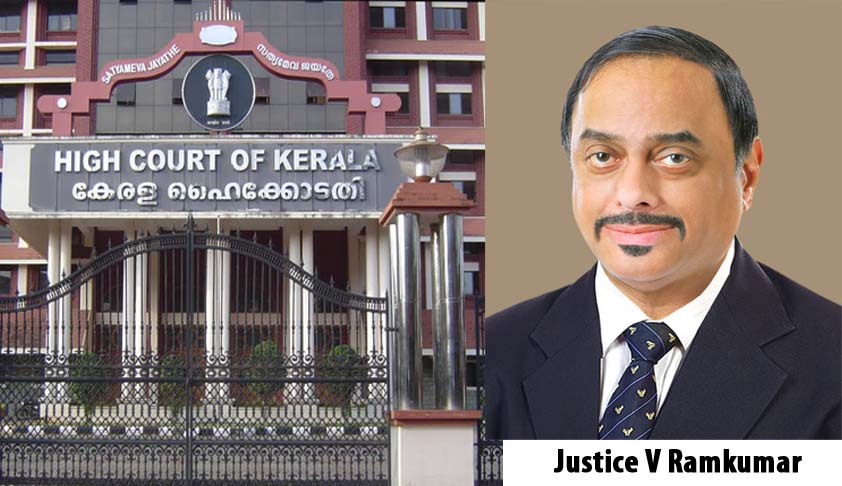
Is the High Court Right in Re-Affirming that Sections 437 (5) and 439(2) Cr.Pc. are not Provisions for Cancellation of Bail?
In my humble opinion, it is without properly appreciating the distinguishing mechanics behind the processes of “setting aside a bail order,” “forfeiture of bail bond resulting in cancellation of bail bond “ and “cancellation of bail ”, that the High Court of Kerala once again fell into an error in Intelligence Officer, Narcotics Control Bureau Vs. Lijo K. Jose – 2015(4) KLT 981. (“NCB case “ for short ). In paragraph 18 of the NCB case, this is what has been asserted:-“18. This court had an...
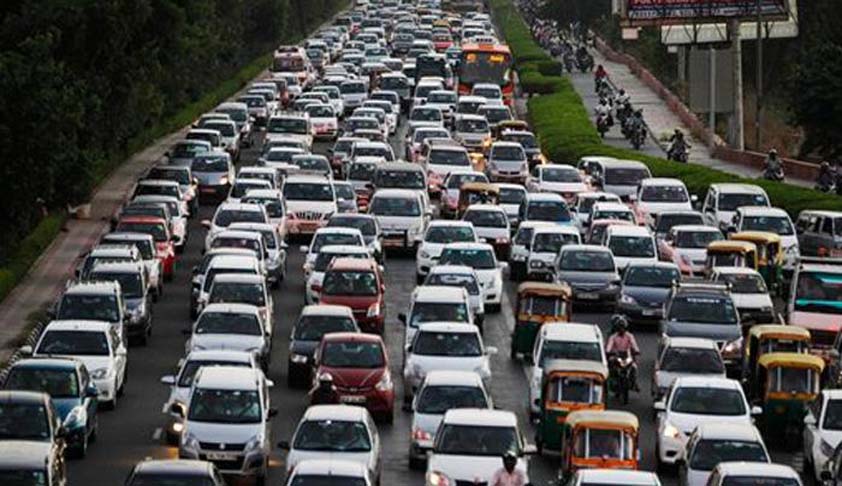
Oddness of odd-even Formula
Will Delhi Traffic Police go and penalize a Common man driving his ‘odd numbered’ car on an ‘even day’ in Delhi Roads because the Chief Minister and his Government thinks I am polluting the environment by using it on a day I like it to use?”From today onwards, Traffic cops in Delhi might perhaps be more obsessed about number plates than about anything else. The Government, which the Delhites overwhelmingly voted to power, has asked its people to use odd numbered Cars on odd days and even...
Lifer without Remission, Another Regressive Verdict
The US is known for very long sentences: Dudley Wayne Kyzer was awarded 10,000 years imprisonment for brutally murdering his wife; Juan Corona was given 25 consecutive life sentences for the murder of 25 migrant farm workers; Ariel Castro was sentenced to life plus 1,000 years for kidnapping; Chamoy Thipyaso in China was given 1,41,078 years of imprisonment for corporate frauds; Moses Sithole, a serial killer and rapist, was given 2,410 years imprisonment in South Africa. Prabhakaran was...
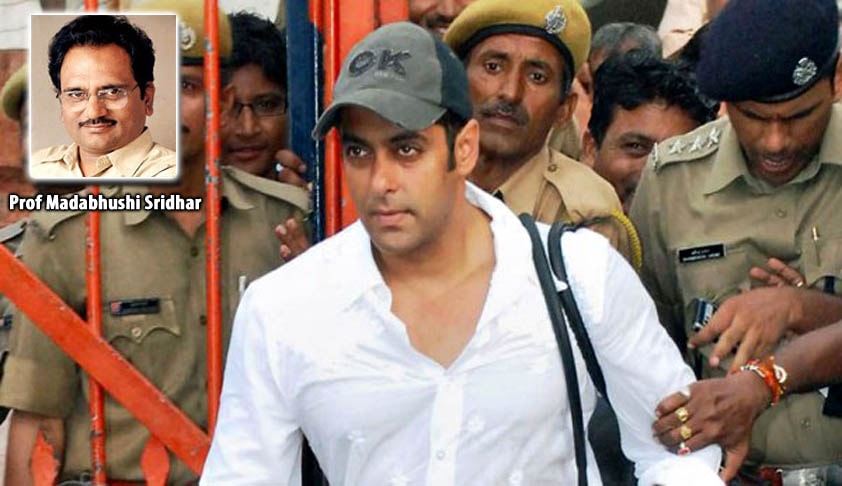
Bombay High Court should have ordered retrial of Salman Khan
R v Sussex Justices, Ex parte McCarthy ([1924] 1 KB 256, [1923] All ER Rep 233) is a leading English case in which emerged the oft-quoted aphorism "Not only must Justice be done; it must also be seen to be done." When High Court noticed deficiencies in investigation and prosecution, most common sense remedy could have been ‘retrial’ i.e., remanding back to trial court to summon the witness who is not examined and examine the material if not properly examined. Why should Salman Khan be acquitted...
The Juvenile Justice Bill: Misplaced Sensitization
The Juvenile Justice (Care and Protection) Bill, 2015 (“the JJ Bill”) was passed by the Rajya Sabha on 1 December 2015, despite widespread opposition to the bill by some of the members of the civil society, politicians and parliamentarians. The highly contended aspect of the JJ Bill is the treatment of law-offending children who are between sixteen and eighteen years of age (“relevant child”). Most media houses have rather sloppily reported that the JJ Bill would treat the law-offending children...

Right to rebel is 800 year old!
When right to petition was thought of in Magna Carta, it included a significant right, right to rebel if grievance is not redressed. Article 61 provided for the presentation of grievances to the king, and required the king to redress grievances within 40 days or risk rebellion. The Magna Carta’s Right to Petition includes, if the right is abridged, the right to wage whatever war against government needed to get just redress. The Magna Carta’s Petition Right included a Right to Rebel in the event...

Rethinking the Preamble
It is an irony that much debate was required for the Government to say that the Constitution is our holy book. The treacherous remarks on secularism and socialism by the Home Minister created initial obfuscation that had to be erased by the Prime Minister’s assurance to stick on to the constitutional values. The Government ultimately acknowledged the distinction between conventional democracy and constitutional democracy, thereby hinting that the latter is not merely a device for majoritarian...
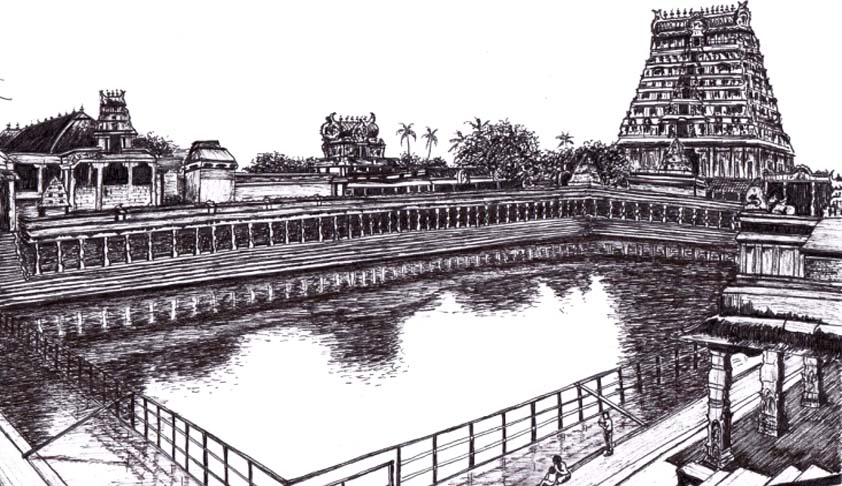
Rule of Agamas & A Verdict Oxymoron
16th of December 2015 saw dashing headlines which made anyone who believes in equality and fraternity, smile with awe at the miraculous judgment of the Supreme Court. I read it too and thought – “Wow! this is a social revolution! All qualified Hindus irrespective of caste can now become Archakas in temples in Tamil Nadu.” I remembered my Professor who told us in our LL.M class that India had a caste based closed hierarchical system of society. Constitution of India strives to do away with all...
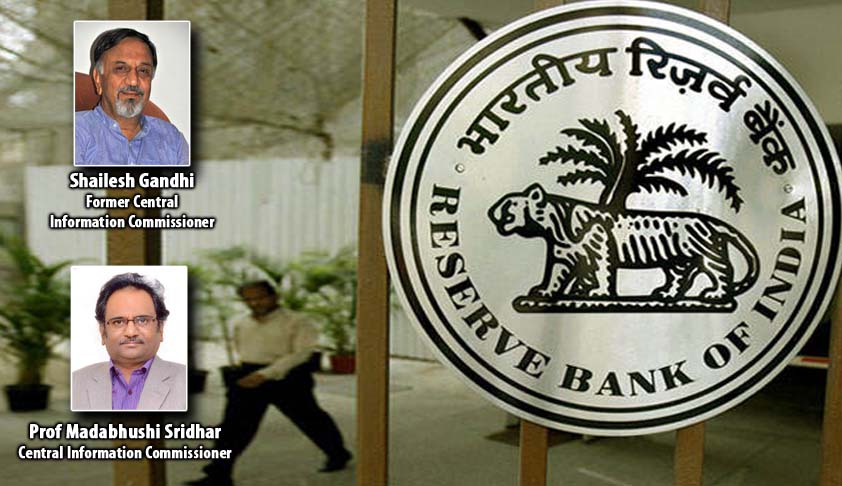
RBI’s Duty to Comply with RTI; Ten orders of Shailesh Gandhi upheld by SC
Public authorities have developed ‘fiduciary’ relation as a firm strategy to deny any information about the exercise of their power. Fraudulent financial institutions get fresh lease of encouragement from the regulator as they refuse to disclose, to their comfort. Fiduciary capacity is to take care of the welfare of others and not to affect the same. Even Reserve Bank of India continued to refuse the information about financial institutions for years despite ten orders from Shailesh Gandhi,...
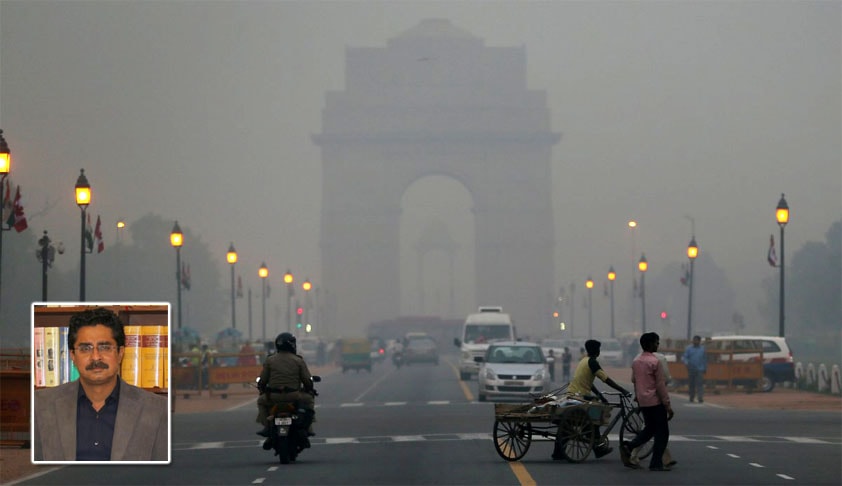
Open Letter to Parliamentarians on our Unrestrained Vehicular Pollution
Dear Rt. Hon’ble Members of the Parliament,I write this letter as there is a tremendous urgency in addressing the issue of vehicular pollution. The debate on pollution is straying far away from the prime causes of the all-pervading poisonous air which we breathe.POLLUTION THE GREAT LEVELLERThis is your second winter in Delhi. Your lungs are breathing in 500 to 700 RSPM c3 (Respirable Suspended Particulate Matter per cubic meter). That is 25 to 31 times the permissible limit. Mind you the WHO...
RTI without Right to Redressal ?
Even as RTI Act completed 10 years, the universe has completed eight hundred years of magna carta [Article 61 of the Magna Carta (originally known as the Charter of Liberties) of 1215. Magna Carta means "the Great Charter", also called Magna Carta Libertatum (Latin for "the Great Charter of the Liberties")]; which agreed on an individual’s right to something against the powers that be. It was a peace treaty between the King and the rebel barons, which failed but it provided a new framework for...
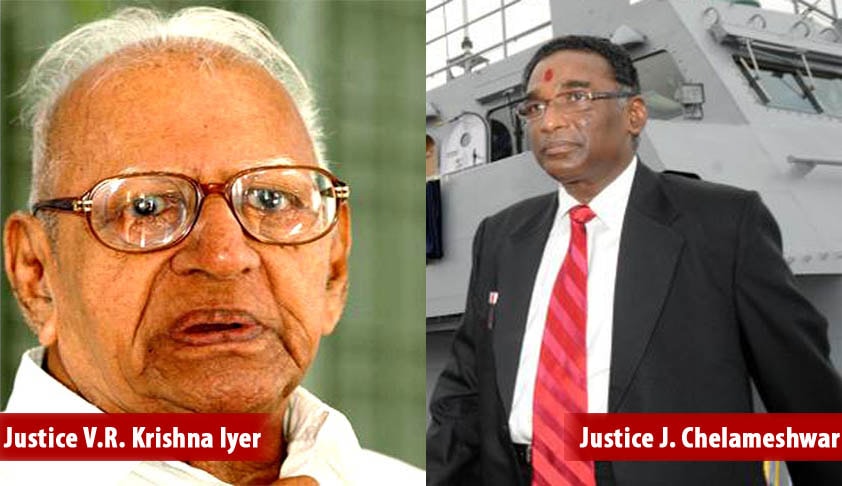
Supreme Court Structural and Jurisprudential Problems
The First V.R. Krishna Iyer Memorial National Law Lecture delivered by Hon'ble Justice J.Chelameshwar on November 28, 2015 at Kochi.Ladies and Gentlemen, I am before you overwhelmed by emotions, which are conflicting. It is a singular honour to be called upon to deliver the ‘First V.R. Krishna Iyer Memorial Law Lecture.’ But, at the same time, the very fact that I have to come back for a memorial lecture within a year after attending Justice Iyer’s 100th Birthday Celebrations stirs in me...