


Articles
Barriers/Challenges and Related Issues to Reproductive Rights
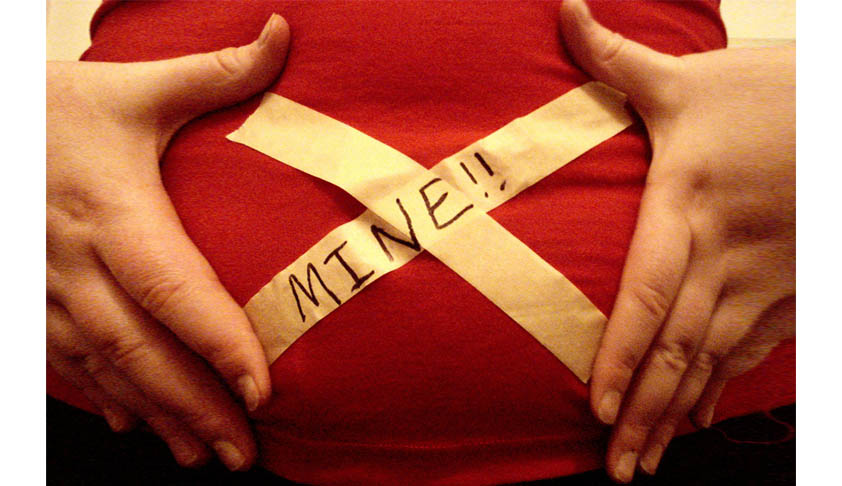
Following from the first article there are several barriers in the way of realizing the right to reproductive health. Some of these challenges are real and can be overcome by appropriate funding and change at a national policy level and with proper implementation of the effective policies in place. For example issues dealing with clinical care, level of health systems and training of healthcare practitioners. Other challenges are political and have made the implementation of the Cairo Programme...

Human Rights Day Special; Absence of Rule of Law = Absence of Human Rights
December 10 is remembered as Human Rights day all over the world, but in India November recalls the bloodshed of Sikhs in Delhi and in December citizen remembers the gassassination of millions in Bhopal. Human Rights along with rule of law are under challenge.The Constitution enshrined Rule of Law. It is called rule book of the nation. If a poor is arrested for theft, the rich also should be arrested for cheating. The Government has spent Rs 27 crore to arrest a fugitive in the name of God,...
Reproductive Rights International Framework: Informed choice before sterilization
(This is the first paper in this series. The second will deal with the barriers to Reproductive Rights)Women, be it in a positive or negative connotation, have always had an immense role to play in the population of the world- from the ages of monarchy where the woman bore the heir to the throne and determined the legacy of any dynasty, to the world wars where she has been referred to as a ‘child bearing machine’ or even the modern day woman who is involved in in-vitro fertilization, to ‘rent a...
Inheritance Rights of Christian Women since ‘Mary Roy’
The Church and the patriarchal Christian Community found it hard to contain the Supreme Court ruling that repealed the Travancore Christian Succession Act 1916. In Mary Roy v. State Of Kerala the Supreme Court declared that the Christians in the former State of Travancore are governed by the provisions in Chapter 11 of Part V of the Indian Succession Act 1925 since the extension of Part B States (Laws) Act 1951. Consequently the Christians all over India are brought under the provisions of...

Putting Your Mark Across the Globe: Protection of Trademarks having Trans-border Reputation in India
With the astronomical development in communication technology and advent of globalised market, every country can be a market place for traders who dream of expanding their reach across nations. The role played by trademarks in identifying the source of the product has become extremely important in these case as we identify a product by its trademark- be it name, logo, colour combination, script style, etc. Whenever a product gains reputation, its trademark also gains reputation often...
Down and Out, yet Alive and Kicking!
It is time to end the dilemma- What is to be done with archaic laws in India?“Law is for Society” - This saying is attributed to Hammurabi of Babylon, acclaimed to be the world’s first real law-maker or law giver. “So, the law will change as and when society changes” but “changes in society cannot be determined by the law”.In the past century and a half, the socio-economic framework of India has undergone radical changes, but the legal structure has failed to keep pace with the change and the...
Judgments with Human Touch
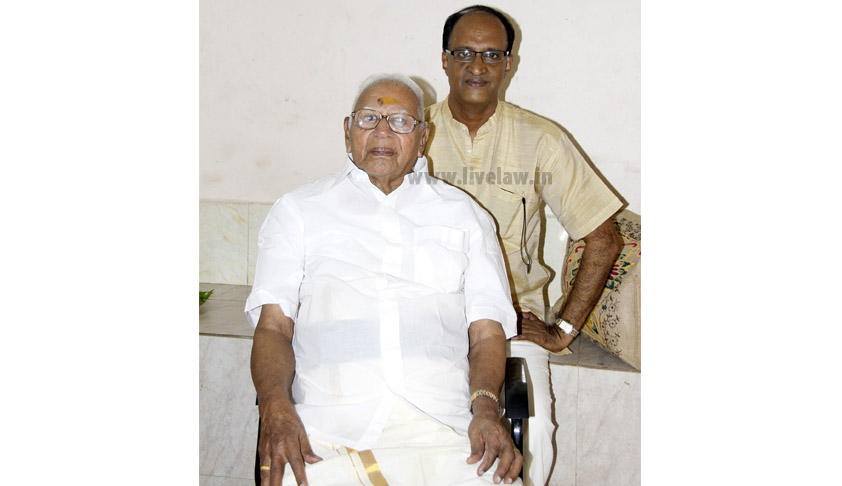
Though his judgments are two decades old it is still golden, being followed to determine many of the issues raised. A clear example is the recent judgment of the Supreme Court of India on the propriety of the constitution of National Tax Tribunal excluding the writ jurisdiction of the High Courts. The bench relied on the observations Justice Krishna Iyer. The judgment quoted on three places the observations made Justice Iyer on jurisdiction. The Constitutional Bench observed:-The necessity of a...
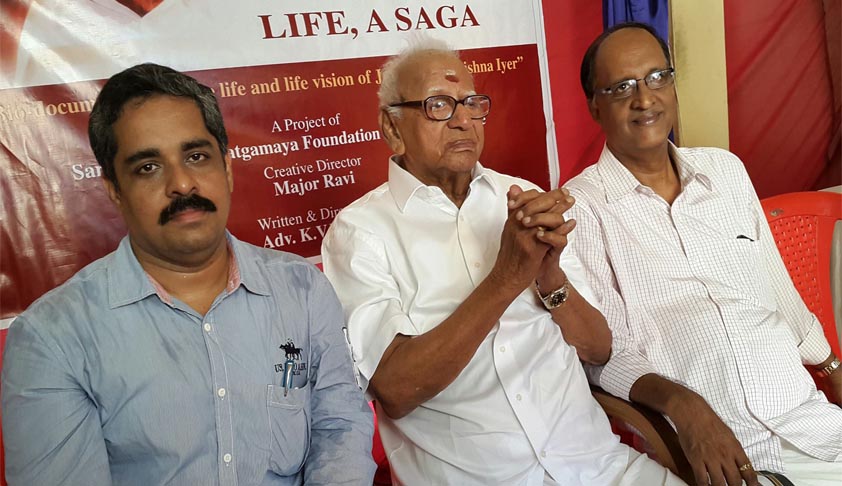
A socialist stands for Social justice – Justice Krishna Iyer lives in Centennial year
Legal fraternity celebrates the centenary of a humane judge of this century, Rtd. Justice V R Krishna Iyer. Justice Krishna Iyer, is well known in the legal field, for his remarkable contribution to the Indian Judiciary, particularly, for his role in the Supreme Court, during the tenure from 1973 to 1980, during which he officiated the seat of a Judge of the highest court in India. He has more than 700 judgements in his credit and many of them are classics in Indian jurisprudence, due to its...
Achey Lal Vs. NCT Delhi : Setting a bad Precedent
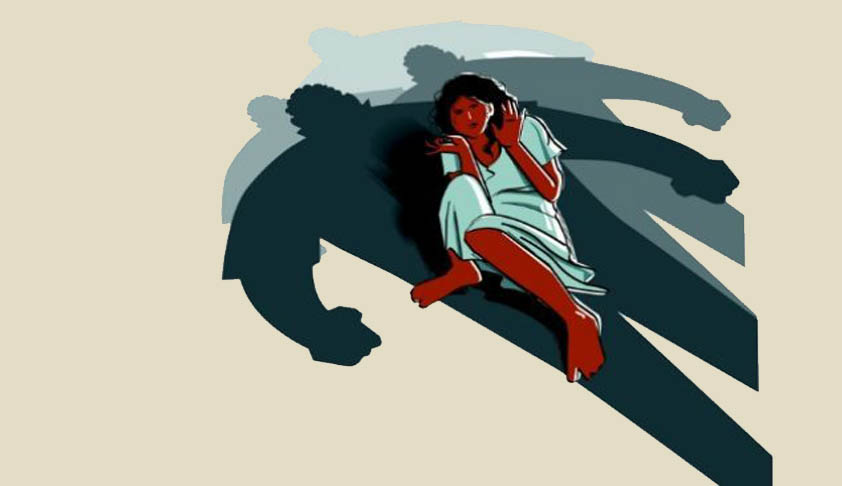
The recent news of Forceful sex not Rape has caught the attention of several news stories and Senior Lawyers. Several points have been raised for and against the judgment. There has also been some amount of wrong reporting as to what was held by the Delhi High Court.The analysis here is confined to established tenets of law, the factual matrix and what can be interpreted legally and reasonably from the present judgment.The judgment dated 30.10.2014 in CRL.A. 1534/2011 held:AcheyLal even if held...
Departure from reasoning in reasoned order by Supreme Court of India: Analysis of Suspension of Sentence vis-a-vis corruption matters in relation to public servants
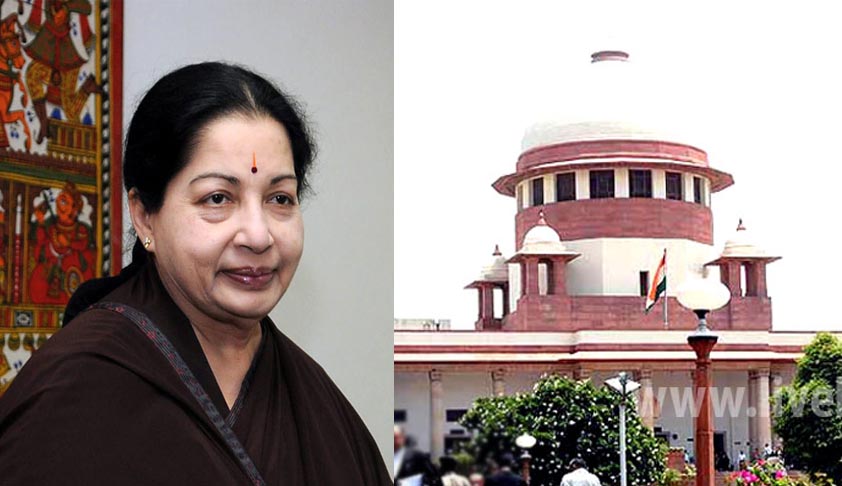
The present article discusses the rationale behind the difference in parameters of Section 389 Criminal Procedure Code (Cr.P.C.) suspension of sentence and regular and anticipatory bail. It also notes the stringent attitude of the Supreme Court in dealing with Corruption matters and public servants and the law as has been developed in this regard. The practical application of suspension of sentence in a case of a corruption matter has been analysed with reference to the recent, much publicized,...
Why Public bodies fear to be “Public Authorities”?
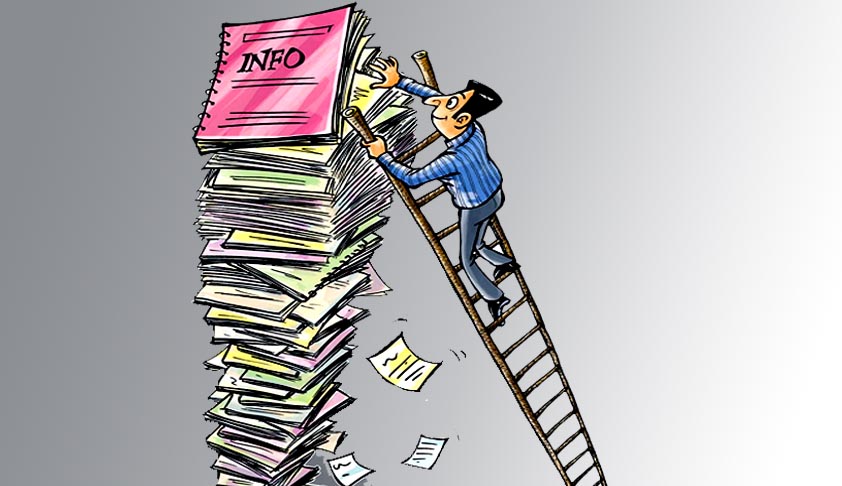
The RTI regime is facing a peculiar problem with many political parties, public servants, utility services, educational institutions and some public authorities refusing to be in ‘public’. They do not want to respect the people’s right to information, while the law and administrators of that law are taking years to say whether they are public authorities or not. Some of the public authorities are interpreted to be private bodies by reading the definitions out of context, separated from...
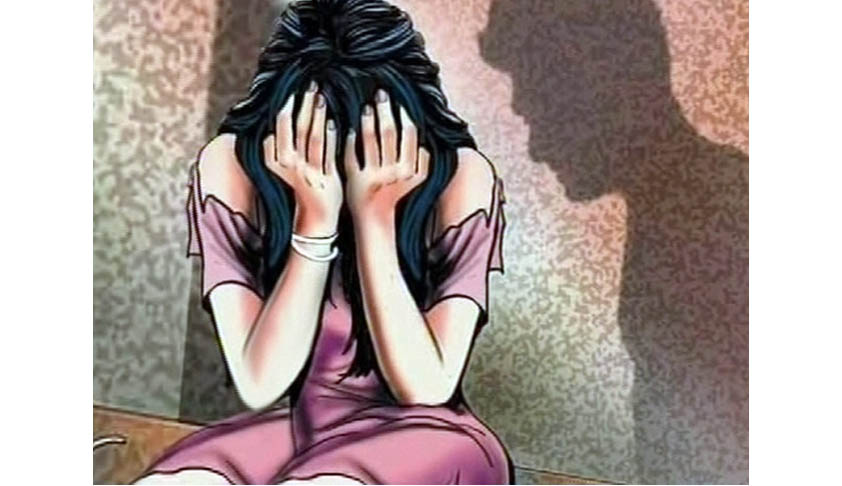
What it takes to implement a law on sexual harassment at workplace in India
The Vishakha guidelines (1997) affirmed that sexual harassment of women was common and resulted in violation of their fundamental rights to life and liberty guaranteed by the Indian Constitution. The Apex court specified that the guidelines would be binding and enforceable on all employers until the Indian Parliament enacted suitable legislation to replace them. Looking at the dismal and faulty implementation of the Vishakha guidelines, fourteen years later a Joint Parliamentary Committee...