


Articles

Three Things India Needs to Learn from EU Data Protection Laws
Data is a big thing. No, I’m not talking about “big data”, which is something related but different. I am referring to data of all sorts; from your dental bills to databases of the IRS.As information technology has evolved (and is evolving) to unprecedented levels and the discourse of data and information has become widespread due to the proliferation of websites; data protection and privacy is the hot topic of debate today.The web is expanding as you are reading this article. The web has become...

The missing elements in Arbitration and Conciliation Act 1996
Act 26 of 1996, is celebrating its eighteenth birthday on 16th August 2014. An Act intended to consolidate and amend the law relating to domestic arbitration, international commercial arbitration and enforcement of foreign arbitral awards and also to define the law relating to conciliation and for matter connected therewith and incidental thereto. Let us lead in wishing this statute all our best wishes, for the service it has rendered to ‘India’, as a Country. Did this law live up to the...

Doctrine of Frustration and Statutory Contracts
English doctrine of frustration evolved through early cases such as Paradine v. Jane [1647] EWHC KB J5 and crystallized in legal form for the first time in the case of Taylor v. Caldwell [1863] EWHC QB J1, signifies that certain set of circumstances have arisen after the formation of contract, the occurrence of which is due to no fault of either party and renders the performance of contract impossible and hence, release the parties from further obligations.In India, the Contract Act, 1872...
Prosecutrix in a Rape Case – Evaluation of Evidence – Part III
(19) In para 10, the Court referred to the various relevant factors which make it difficult for a girl or woman in India to make false allegations of sexual assault and that this is also true in the context of rural, urban, sophisticated and unsophisticated society. And only very rarely can one conceivably come across an exception or two and that too possibly from amongst the urban elites. The reasons stated by the Supreme Court emphasized that the woman in the tradition-bound...

Decisional autonomy of a major daughter – a critical review of Dr. Parameswar Lal Vs. N.N. Ullas and Ors. (2014 (1)KLT 937)
A Division Bench of the Kerala High Court in Dr. Parameswar Lal Vs.N.N. Ullas and Ors (supra), dismissed the writ petition for habeous corpus, filed by a male lover alleging illegal detention of his female partner by her father. The reasoning of the decision, would take the reader a century backwards to the Victorian age, were a father had unquestioned powers over his wards.The Petitioner and the detenue in the above case are doctors’ by profession. They decided to get married, as they...

Ctrl, Delete & Forget: The Emerging notion of ‘the right to be forgotten’- A threat to free expression?
In a much surprising decision by the European Court of Justice, which is the highest court in European region, came the new and emerging right of a person to be forgotten online. The ECJ observed that the people have the right to influence what the world could know about them through online searches. Since a considerable period of time, there was a growing tussle between freedom of expression and privacy and the ECJ seems to have favoured the notions of privacy than free flow of information on...
Justice Delivery System Working 365 Days; Pressing Needs of the Indian Judiciary
The statement made by the Chief Justice of India calling for a justice delivery system that works round-the-year needs national debate. The CJI was addressing the legal fraternity in Jodhpur at the foundation-stone laying ceremony of a Bar Council of Rajasthan building, when he drew parallels between the justice delivery system and other requisite services like the medical & health facilities. He envisages a speedy and free justice delivery system working 365 days a year, characteristics,...
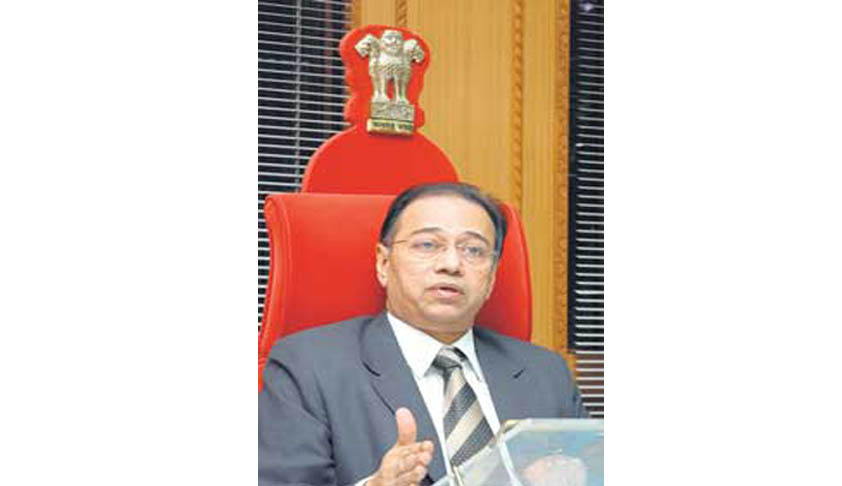
Justice K S Radhakrishnan - The Man who Judged Life
Encomiums from the members of bar are a rarity in the life of a judge who stood by the armour of law in the battlefield called Court room. An honest judge will have more articulate enemies than silent friends. A judge doesn’t speak for himself, his judgments alone speak but only for the institution. And,advocates are not expected to publicly speak in praise of a judge till he leaves office. It’s time.Architect of Life, Human and AnimalJustice K.S. Radhakrishnan transformed himself to be an...
Security Interest a shield in the hands of Lenders
Lending of money is one of the oldest transactions after the barter system. The term ‘lending’ may be classified majorly into two sets namely ‘non-recourse lending’ and ‘recourse lending’. Non-recourse lending exposes the lenders to more risk since they can only exercise the security created over collaterals and are not allowed to go after the borrower for repayment of loan pursuant to default, on the other hand recourse lending allows the lender to exercise the security created over the...
Prosecutrix in a Rape Case – Evaluation of Evidence – Part II
(11) In Bhajan Singh and others V/s. State of Haryana, (which was not a case of rape) the court observed in para 21:-“The testimony of an injured witness has its own relevancy and efficacy as he has sustained injuries at the time and place of occurrence and this lends support to his testimony that he was present at the time of occurrence.Thus, the testimony of an injured witness is accorded a special status in law. Such a witness comes with a built in guarantee of his presence at the scene of...
The epic battle of Judicial Discretion v. Judicial Destruction: Good bye Sec. 6A(1)
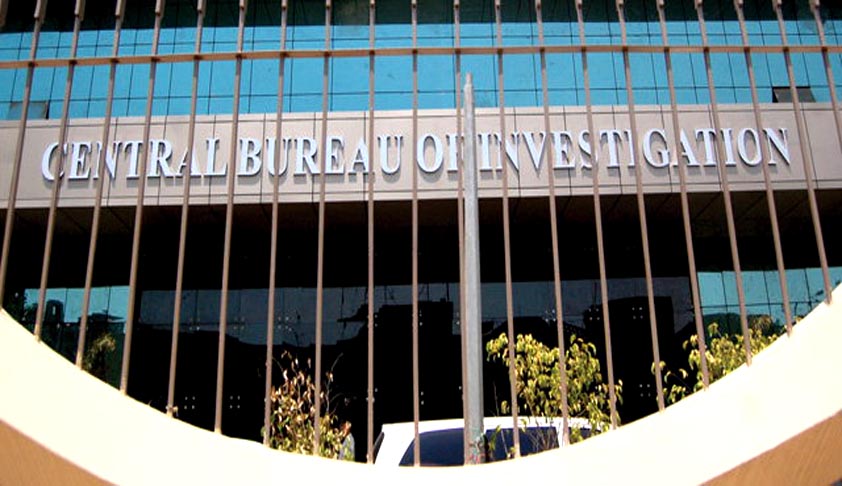
A constitutional bench recently in Dr. Subramaniam Swamy v. Director, CBI & Ors. struck down Sec. 6A(1) of the Delhi Special Police Establishment Act, 1946 & Sec. 26(c) of CVC Act, 2003 to that extent. Section 6A(1) made it mandatory for the CBI to take prior approval of the Central Government to conduct any enquiry or investigation against employees of Central Government above the rank of joint secretary and senior officers appointed by Central Government in companies etc for an offence...
Some Freedom to ‘Caged Parrot CBI’: Still a long Way to Go
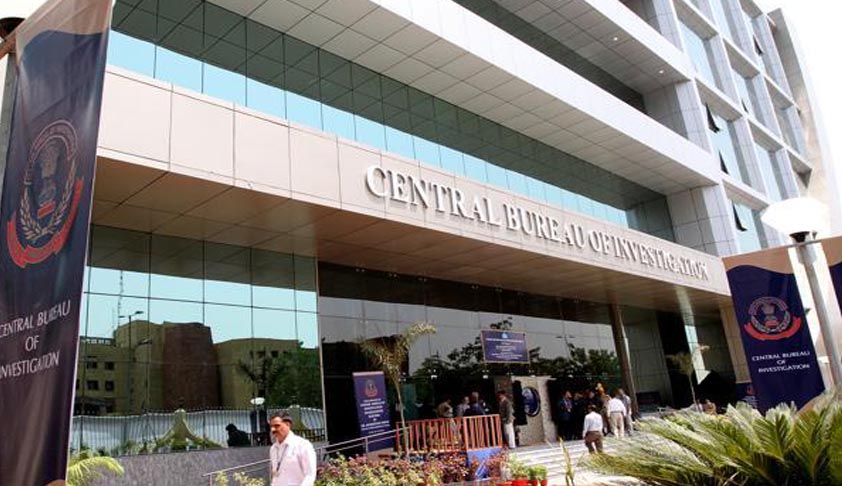
I thank my god every day for having blessed this country with a Supreme Court, which is the savior of good against the evil and beholder of light against the darkness.Central Bureau of Investigation, a caged parrot of the Centre has been freed and at least one door of the cage is now being opened by the Supreme Court which gave a free hand to the Agency to inquire into corruption charges against top bureaucrats. The Court invalidated a provision that mandated the CBI to obtain the government’s...