



Forgotten Educated Prisoner: Blind Spot In India's Prison Reform
Saurabh Thakore
16 Sept 2026 3:00 PM IST
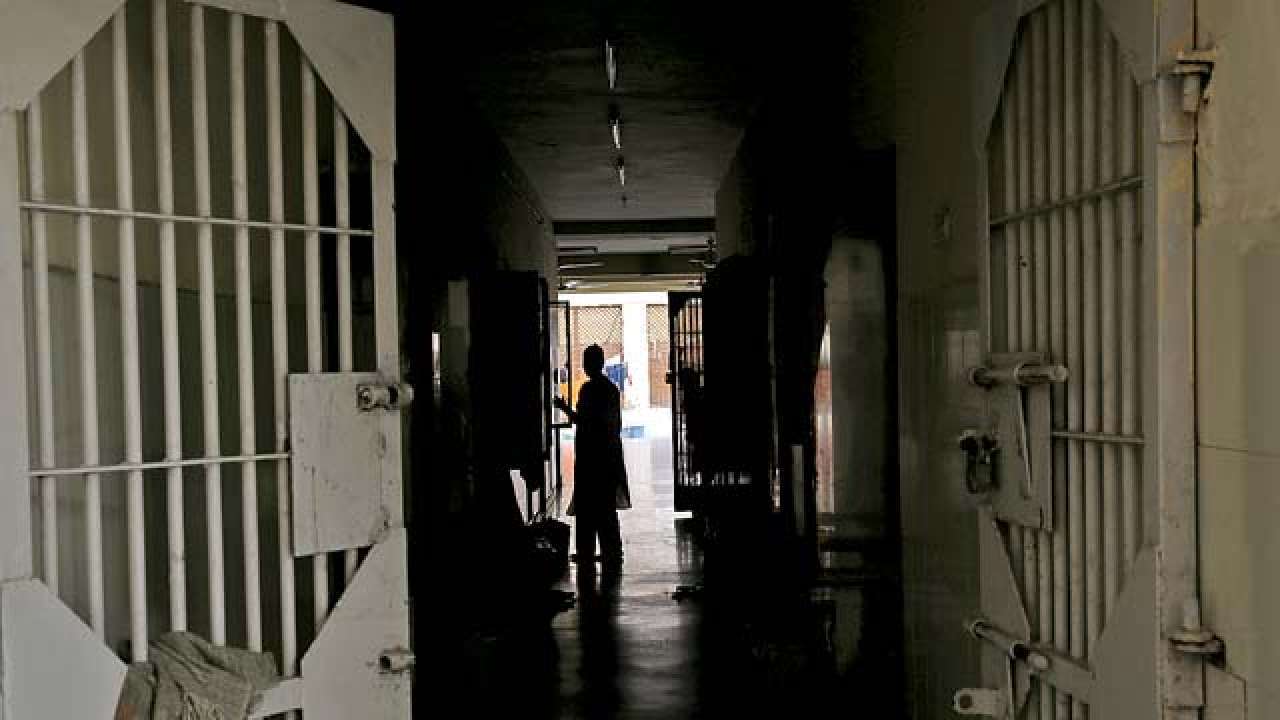
When prison reform is discussed in India, the conversation naturally gravitates toward overcrowding, healthcare, legal aid, security, and literacy. These are urgent issues. Yet, one demographic is almost entirely missing from the debate: the educated professional. A person's qualifications do not simply evaporate the moment a prison gate locks behind them.
We rarely account for the graduates, accountants, engineers, or managers navigating a system entirely unequipped for their backgrounds. We need a system that looks at the actual person standing in front of it, rather than forcing everyone through the exact same rehabilitation template.
Right Course, Wrong Person
Vocational programs are vital. Teaching trades like carpentry, tailoring, or basic plumbing provides many undertrials and convicts with essential routine and a path to a lawful livelihood. That deserves continued funding.
The disconnect happens when rehabilitation gets handed out without any assessment of the recipient. If someone has spent fifteen or twenty years working in finance, IT, or management, another basic trade course is practically useless to them. What they actually need is continuing education, professional reskilling, or a realistic grasp of how their specific industry has evolved while they were away. Technology moves relentlessly. A few years away from a knowledge-based profession easily turns employable people into obsolete ones. Recognizing this doesn't diminish the dignity of manual labour; it simply acknowledges reality.


A Firsthand View
I am not looking at this system from the outside. I lived inside it. Before my incarceration, I was a General Manager handling HR, administration, and business development for a construction and civil engineering firm. I managed teams, controlled budgets, and negotiated with vendors. Once the gate closed, every bit of that experience hit a dead end.
The programs offered inside were built for an entirely different starting point. And since my release, those decades of corporate experience have counted for almost nothing when weighed against a single line on a background check. I point this out not to ask for sympathy, but to pull the "educated prisoner" out of the realm of abstract policy. It is worth understanding what that abstraction feels like from the inside.
When The Mind Has Nowhere to Go
Prison strips away movement and basic choices. Yes, educated inmates are somewhat utilized by the administration. You routinely see them assigned to prison radio stations, PCO centres, Mulakat rooms, and libraries. They often handle basic store and canteen management. But let's be clear: this is almost entirely clerical work. They act as assistants to the authorities' assistants. It helps the facility run smoothly on a daily basis, but it falls completely short of utilizing a professional's actual mental capacity.
For someone wired to solve complex problems or manage people, the lack of any forward-looking outlet becomes a second, quieter confinement. Where secure systems allow it, supervised digital access or distance learning could transform that empty time into something genuinely corrective. Over the years, an administrator or engineer can slowly start viewing himself as nothing more than a case number. The state restricts liberty by law, but true rehabilitation should leave room for a person to remain useful.
The Gate Opens; The Difficulty Does Not
Walking out feels like freedom. For many, however, it is just the beginning of the hardest stretch. Jobs have vanished, savings are wiped out, and the family is exhausted. The outside world's demands rent, school fees, old debts, do not pause.
Society expects released individuals to live lawfully and rebuild trust, which is entirely fair. The catch is that the legitimate path back into the workforce is heavily guarded, even for those willing to start at the bottom. Job applications almost always hit a wall at three specific points: the resume gap, the lack of recent references, and the background check. At that exact moment, a lifetime of education matters far less than the fact that you passed through the criminal justice system.
Background checks are necessary. Employers must protect their staff and reputation. The problem arises when a record functions as a blind, yes-or-no signal stripped of all context. An accusation is not a conviction. An undertrial is not a convict. Even a conviction should be weighed against the specific role and the time elapsed. Because formal employment relies heavily on continuity and references two things incarceration actively destroys professionals are hit exceptionally hard. You need a recent reference to get a job, but you need a job to get a recent reference. You are stuck at square one.
A Credible First Opportunity
The solution doesn't require handing out permanent employment on day one. A far more workable model would allow released professionals to rebuild their track records through measurable, fixed-term assignments, short-paid projects, or probationary roles with restricted access.
Give it thirty or sixty days. The employer gets actual evidence instead of relying on a guess. If it doesn't work out, end the contract. If it does, that individual earns something far more valuable than the pay check itself: a post-release professional reference. This isn't an appeal to corporate compassion. It is just ordinary, risk-managed hiring. The exact same logic applies to freelance or B2B work like writing, design, data analysis, or accounting. These can be judged purely on the final deliverable, acting as a crucial bridge while traditional payroll jobs remain out of reach.
Questions Worth Asking
We need to ask harder questions of the institutions shaping these policies. If a magistrate sets a defined sentence, on what legal basis does a private screening process effectively extend that sentence indefinitely into the labour market? Why does the government concentrate correctional spending exclusively on manual trades, completely ignoring white-collar transition? Could Schedule VII of the Companies Act formally recognize structured second-chance employment as eligible CSR work? And regarding civil society while many NGOs run vocational workshops inside prisons, why are there almost no incubators or reference-bridges for graduates trying to survive outside?
Not An Argument for Erasing Responsibility
Nobody is demanding automatic acceptance. Past conduct matters. A former prisoner cannot demand their old salary or unquestioned trust just because their sentence wrapped up.
But rehabilitation is an empty concept if a person is expected to demonstrate change while being denied any realistic environment to prove it. We need fair mechanisms: set standards, apply safeguards, monitor the performance, and when someone earns their spot, let it count. That isn't charity. It is correction made workable.
Inside the walls, the educated prisoner goes unseen because the rehabilitation model doesn't match their capabilities. Outside, they go unseen again because the formal economy refuses to test what they can do. A gate can open by law. Getting back in takes several more doors, and that is the real measure of India's correctional ambition.
Author is a former corporate leader in administration, HR and business development, and author of "The Other Prison" and "Prison Break Without Escape." Views are personal.


