



- Home
- /
- High Courts
- /
- Bombay High Court
- /
- Bombay High Court Bars Restaurant...
Bombay High Court Bars Restaurant Chains Operating 94 Outlets From Playing PPL Music Without License
Ayushi Shukla
3 Jan 2026 2:56 PM IST
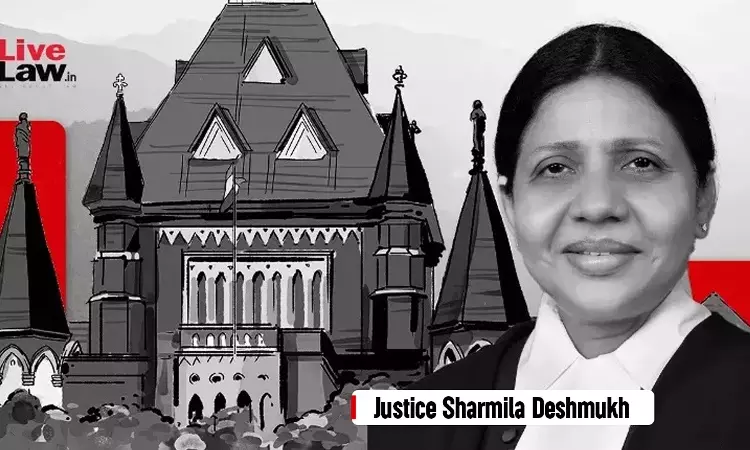
The Bombay High Court has, in an interim order, restrained two restaurant operators running around 94 outlets from publicly playing music from Phonographic Performance Limited's repertoire without a license after finding a prima facie case of copyright infringement. Justice Sharmila U. Deshmukh, in an order pronounced on December 24, 2025, held that continued unauthorised use would cause...
This is a premium content
Available exclusively to
Our subscribers
Subscribe Premium 
INR 1099+GST
Your support helps us to bring you more content at
an affordable subscription scheme !!!
All payment options available
The Bombay High Court has, in an interim order, restrained two restaurant operators running around 94 outlets from publicly playing music from Phonographic Performance Limited's repertoire without a license after finding a prima facie case of copyright infringement.
Justice Sharmila U. Deshmukh, in an order pronounced on December 24, 2025, held that continued unauthorised use would cause loss to PPL and therefore warranted interim protection.
Allowing two interim applications filed by PPL, the court recorded that the defendants had failed to show any legal entitlement to use the copyrighted sound recordings.
It observed, “The Defendants have not able to demonstrate any entitlement to broadcast the Plaintiff's copyrighted sound recordings. Prima facie, there is no reason to disbelieve the plea of infringement, which is supported by affidavit on oath.”
The suits were filed by PPL against restaurant operators Trinetra Venture and others, and Anoor Paripati and others. PPL told the court that it is the owner and exclusive licensee of copyright in a large repertoire of sound recordings under assignment deeds and exclusive licensing agreements executed in its favor by various music labels.
It said it is entitled under the Copyright Act to grant licenses for public performance and communication of these recordings. According to PPL, the defendants were playing music from its repertoire across about 94 outlets without obtaining the required license, despite cease-and-desist notices. PPL's representatives had also visited several outlets and documented instances of unauthorized use.
The restaurant operators opposed the interim relief on several grounds. They argued that the suits were not maintainable as the original copyright owners had not been made parties, and that PPL, not being a registered copyright society, had no power to grant licences. They also alleged suppression of facts, questioned the validity of the assignment agreements, and said PPL's licence fees were unreasonable.
The court rejected these objections, holding that PPL's right to seek relief without being registered as a copyright society was already settled by an earlier Bombay High Court ruling in Novex Communications Pvt. Ltd. v. Trade Wings Hotel Limited.
The court noted, “The contrary decision taken by the Delhi High Court would not bind this Court and judicial discipline demands that the decision of the co-ordinate Bench be followed by the subsequent bench.”
On the objection regarding non-impleadment of copyright owners, the court explained that for the purpose of civil remedies, the Copyright Act treats an exclusive licensee as an owner of copyright.
It observed, “Conjoint reading of Section 54 and Section 55 of Copyright Act would prima facie entitle the exclusive licensee to maintain an action for infringement of copyright.”
The court also clarified that issues relating to stamp duty and admissibility of documents arise at the stage of evidence and cannot prevent consideration of an interim injunction. The court further held that disputes over the reasonableness of PPL's license fees cannot be raised as a defense in a copyright infringement action.
The court noted documented instances of unauthorised music being played at the restaurants and said continued use across many outlets would cause loss to PPL. It held that the balance of convenience lay in PPL's favour.
It therefore restrained the restaurant operators, pending disposal of the suits, from playing or communicating sound recordings owned or exclusively licensed to PPL without a licence.
Case Title: Phonographic Performance Limited v. Trinetra Venture and Ors.
Citation: 2026 LLBiz HC (BOM) 5
Case No: IA (L) No. 36005/2025 in Commercial IP Suit No. 668/2025
For Plaintiff: Senior Advocate Sharan Jagtiani along with Advocates Amogh Singh, Avanti, Asmant Nimbalkar, Neeraj Nawar, Shikha Dutta and Sheryl D'Souza instructed by D.P. Singh
For Defendants: Advocates Sandeep Parikh and Arsalan A. Thaver instructed by Abhiraj Parab
Tags

Ayushi Shukla
Reporter

