- Home
- /
- High Courts
- /
- Bombay High Court
- /
- 'No Violation Of Right To...
'No Violation Of Right To Property': Bombay HC Upholds Customary Right Of Villagers In Baner To Celebrate 'Bagad' Festival On Private Land
Saksham Vaishya
4 April 2026 2:40 PM IST
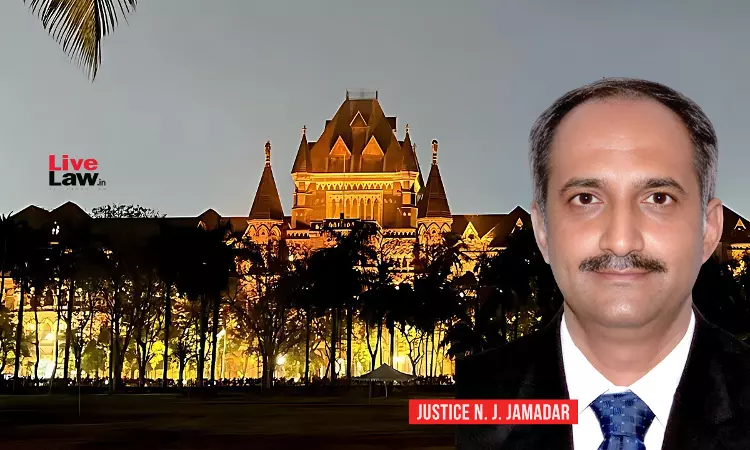
The Bombay High Court has held that recognition of the villagers' customary right to celebrate the Bagad festival on the suit property does not amount to a violation of the right to property of the landowners. The Court observed that the material on record prima facie indicated long and continuous exercise of such right by the villagers, and the orders of the Courts below granting protection...
This is a premium content
Available exclusively to
Our subscribers
Subscribe Premium 
INR 1099+GST
Your support helps us to bring you more content at
an affordable subscription scheme !!!
All payment options available
The Bombay High Court has held that recognition of the villagers' customary right to celebrate the Bagad festival on the suit property does not amount to a violation of the right to property of the landowners. The Court observed that the material on record prima facie indicated long and continuous exercise of such right by the villagers, and the orders of the Courts below granting protection to that right did not suffer from any perversity or illegality.
Justice N. J. Jamadar was hearing a writ petition filed by the original defendants challenging concurrent orders of the Civil Judge and District Judge granting an injunction in favour of a villagers' organisation, in a dispute concerning the right to celebrate the Bagad festival on an open land near a community temple. The villagers had filed a representative suit claiming that the festival had been celebrated on the suit property since time immemorial and that the defendants, who purchased the land in 2022, were obstructing it by undertaking construction activities, while the defendants denied the existence of any such customary right and asserted infringement of their property rights.
The Court examined the nature of the right claimed by the plaintiffs. It was observed that the claim was not of an easement attached to any dominant tenement but of a right exercised by a community over the property. Drawing a distinction between such a right and an easement, the Court noted that an easement is appurtenant to a dominant tenement, whereas a right exercised by a fluctuating body of villagers exists independently of ownership of any specific land.
Referring to the provisions of the Indian Easements Act, 1882, particularly Sections 2(b) and 4, the Court held that such rights are distinct from easements and are not governed by the same requirements. It further observed that a right claimed by a community over a property is required to be examined on the basis of long usage and recognition.
On the issue of whether there was prima facie material to support the claim, the Court noted that in the reply to the application for temporary injunction, the defendants had not specifically traversed the assertions regarding the existence of the temple, celebration of the festival, and its antiquity. The Court held that in such circumstances, the Courts below were justified in taking into account the absence of denial while assessing entitlement to interim relief.
The Court further considered the material placed on record, and found that such material lent support to the claim of the plaintiffs and was relevant for determining the existence of the right.
The Court held that the discretion exercised by the Courts below in granting an injunction could not be said to be erroneous. It was observed that the contention of infringement of the right to property, in the absence of any prima facie material negating the villagers' claim, could not be accepted at this stage.
The Court further held that in exercise of jurisdiction under Article 227, it would not reappreciate the evidence or substitute its own view unless there was a jurisdictional error or perversity, which was not made out in the present case. Accordingly, the High Court dismissed the writ petition and upheld the orders of the Courts below, while directing that the hearing of the suit be expedited.
Case Title: Ganesh D Tapkir & Anr. v. Baner Yethil Samasta Gramastha Mandal & Ors. [WRIT PETITION NO. 16288 OF 2025]
Citation: 2026 LiveLaw (Bom) 161
Tags