



- Home
- /
- High Courts
- /
- Delhi High Court
- /
- Delhi High Court Quashes Cheating...
Delhi High Court Quashes Cheating Case Against Central Bank Of India Officers; Says Bank Can Adjust OTS Deposit On Borrower's Default
LIVELAW NEWS NETWORK
1 March 2026 4:45 PM IST
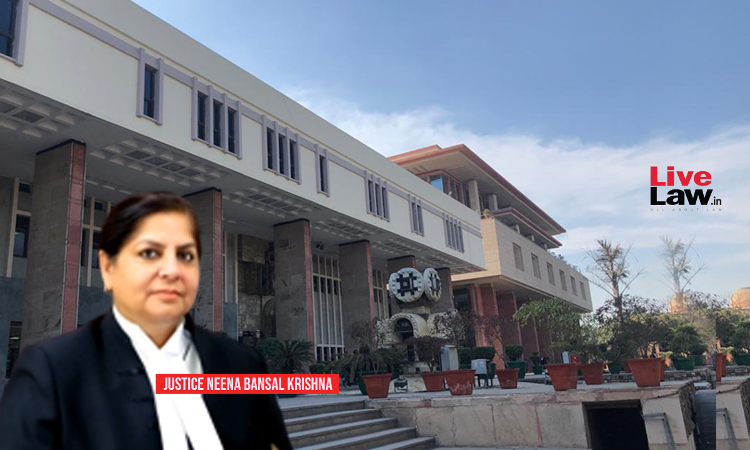
The Delhi High Court has quashed criminal proceedings initiated against the Central Bank of India and its senior officials, holding that a bank can adjust the amount deposited under a One Time Settlement (OTS) scheme if the borrower defaults on the settlement terms.Justice Neena Bansal Krishna set aside the summoning order and the criminal complaint against the officers under Sections...
This is a premium content
Available exclusively to
Our subscribers
Subscribe Premium 
INR 1099+GST
Your support helps us to bring you more content at
an affordable subscription scheme !!!
All payment options available
The Delhi High Court has quashed criminal proceedings initiated against the Central Bank of India and its senior officials, holding that a bank can adjust the amount deposited under a One Time Settlement (OTS) scheme if the borrower defaults on the settlement terms.
Justice Neena Bansal Krishna set aside the summoning order and the criminal complaint against the officers under Sections 420 (cheating), 406 and 409 (criminal breach of trust), and 120B IPC.
The bench observed, “First and foremost, admittedly, OTS failed on account of nonadherence of the terms by the Complainant. Secondly, though this amount of Rs.58 lakhs was lying in 'No lien' account, the Bank, in case of default, was well within its right to adjust the said amount towards outstanding amount. It cannot be held to be a case of criminal breach of trust or of cheating.”
The complaint was filed by a borrower whose loan accounts had been declared non-performing assets (NPA). Recovery certificates amounting to approximately ₹13 crore had been issued by the Debt Recovery Tribunal.
Subsequently however, the parties entered into an OTS, under which the borrower deposited ₹58 lakh in a 'no-lien' account as part payment. However, the borrower failed to pay the remaining settlement amount within the stipulated time, resulting in the automatic cancellation of the OTS as per its terms.
After the settlement failed, the bank adjusted the deposited amount towards the outstanding dues and subsequently assigned the debt to an asset reconstruction company.
Aggrieved by the non-refund of the ₹58 lakh deposit, the borrower alleged that the bank and its officials had dishonestly misappropriated the amount and entered into a conspiracy to cheat him.
Rejecting these allegations, the High Court held that once the borrower defaulted, the bank was well within its rights to adjust the deposited amount against the outstanding liability.
“...it is merely a case of recovery of Rs.58 lakhs, to which the Complainant is making a claim, which is purely a civil dispute, for which he has already invoked civil remedy by filing a Civil Suit, which is pending trial. At best, the dispute relates to adjustment or refund of money arising out of contractual terms. There is no material to indicate any fraudulent or dishonest intention at the inception of the transaction, a sine qua non for constituting the offence of cheating under Section 420 IPC. Thus, it does not disclose any criminal offence, as is sought to be made out by the Complainant,” the Court observed.
It added that the Bank was well within its right to assign its debts to the asset reconstruction company.
“This was an Agreement entered into by the Bank with UVARCL in its business wisdom and there is nothing to show that it was intended to cheat the Complainant of his Rs.58 lakhs,” it said and quashed the complaint and all consequential proceedings against the bank officials.
Appearance: Mr. Rakesh Tiku, Sr. Advocate with Mr. Jaswainder Singh and Monu Kumar Advocates for Petitioner; Mr. Utkarsh, APP with SI Vivek. Ms. Sima Gulati with Ms. Diksha Narula, Advocates for R-2.
Case title: Mohan Tanksale v. State
Citation: 2026 LiveLaw (Del) 250
Case no.: CRL.M.C. 2738/2018


