



- Home
- /
- High Courts
- /
- Delhi High Court
- /
- Delhi High Court Refuses To Stay...
Delhi High Court Refuses To Stay HPV Vaccination Drive After Centre Assures 'No Immediate Harm'
Nupur Thapliyal
29 July 2026 5:55 PM IST
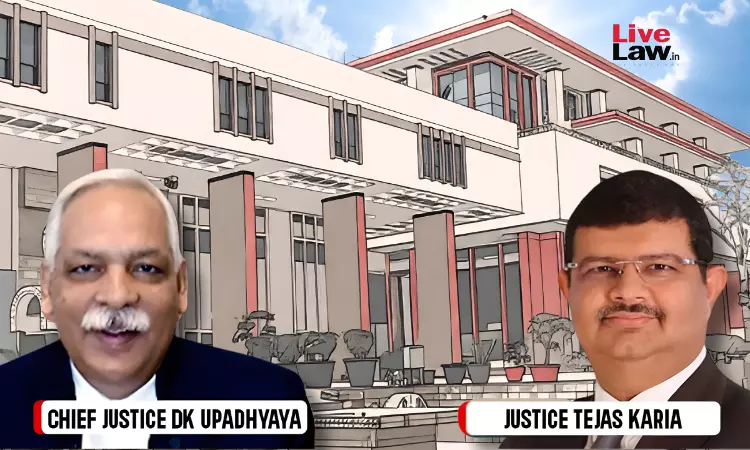
The Delhi High Court on Wednesday refused to stay administration of Human Papillomavirus (HPV) vaccine, Gardasil, to adolescent girls, noting that there is no immediate harm from the same. [2026 LiveLaw (Del) 703]A division bench comprising Chief Justice DK Upadhyaya and Justice Tejas Karia said that the data presented by the Central Government showed that there is no harm in administering...
This is a premium content
Available exclusively to
Our subscribers
Subscribe Premium 
INR 1099+GST
Your support helps us to bring you more content at
an affordable subscription scheme !!!
All payment options available
The Delhi High Court on Wednesday refused to stay administration of Human Papillomavirus (HPV) vaccine, Gardasil, to adolescent girls, noting that there is no immediate harm from the same. [2026 LiveLaw (Del) 703]
A division bench comprising Chief Justice DK Upadhyaya and Justice Tejas Karia said that the data presented by the Central Government showed that there is no harm in administering the vaccine to young girls.
Observing that it will consider later the issue of justification of introducing the vaccine to adolescent girls, the Court clarified that it is not going to stay administration of vaccine for now.
“There may not be long term benefit (of HPV vaccination) but there is no immediate harm,” the Court remarked.
The Bench was hearing a PIL alleging that the vaccination programme is being implemented without ensuring informed parental consent and adequate scientific safeguards.
During the hearing today, ASG Chetan Sharma appearing for the Centre said that over 55 crore people have benefited from the vaccination all over the world.
As ASG said that the government is taking appropriate and adequate measures while administering the vaccination in question, the Court said that it finds no reason to stop the administration of HPV vaccine.
Filed by Dr. Sujata Mittal, the plea submits that the programme violates the constitutional rights of adolescent girls, including their rights to bodily autonomy, informed consent and personal liberty under Articles 19 and 21 of the Constitution of India.
According to the petition, the proposed nationwide vaccination drive targets girls around the age of 14 years through schools and public health systems.
The petitioner alleges that vaccinations are being administered without proper informed consent from parents and claim that frontline health workers are assigned enrolment targets, resulting in undue pressure on young girls to receive the vaccine.
The PIL also refers to the case of a 14-year-old girl from Tamil Nadu who allegedly developed severe medical complications after receiving the HPV vaccine in March 2026.
It further cites reports of similar incidents from Gwalior and Bihar, submitting that such instances raise concerns regarding vaccine safety and post-vaccination monitoring.
“It is submitted that HPV is sexually transmitted, and though types 16 and 18 are linked to cervical cancer, most infections resolve on their own. HPV is only one factor among several, poor hygiene, early marriage, multiple pregnancies, multiple partners, smoking, oral contraceptives, weak immunity, and poor nutrition, none of which vaccination addresses,” the plea states.
It adds that the current rollout of the HPV vaccination programme raises serious concerns regarding consent, safety, scientific basis, and public health priorities.
Title: Dr. Sujata Mittal & Anr v. Union of India and Others
Citation: 2026 LiveLaw (Del) 703
Tags

Nupur Thapliyal
Nupur Thapliyal is a Principal Correspondent with LiveLaw, based in New Delhi. She reports from the Delhi High Court and trial courts in the national capital

