



- Home
- /
- High Courts
- /
- Delhi High Court
- /
- Major Unmarried Daughter Can Seek...
Major Unmarried Daughter Can Seek Maintenance From Father Under Section 125 CrPC: Delhi High Court
Nupur Thapliyal
8 Dec 2025 7:00 PM IST
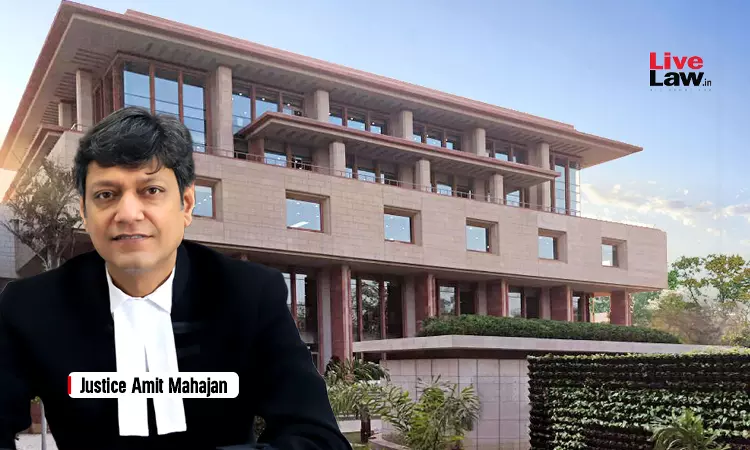
The Delhi High Court has observed that a major unmarried daughter can file a joint application along with the mother seeking maintenance from the father under Section 125 of CrPC. Justice Amit Mahajan noted that a major Hindu daughter is entitled to maintenance from her father under Section 20 of the Hindu Adoptions and Maintenance Act, 1956, as long as she is unmarried and is unable to...
This is a premium content
Available exclusively to
Our subscribers
Subscribe Premium 
INR 1099+GST
Your support helps us to bring you more content at
an affordable subscription scheme !!!
All payment options available
The Delhi High Court has observed that a major unmarried daughter can file a joint application along with the mother seeking maintenance from the father under Section 125 of CrPC.
Justice Amit Mahajan noted that a major Hindu daughter is entitled to maintenance from her father under Section 20 of the Hindu Adoptions and Maintenance Act, 1956, as long as she is unmarried and is unable to maintain herself out of her own earnings and property.
The judge dismissed a father's plea challenging a family court order awarding monthly Rs. 45,000 as interim maintenance to the daughter as well as the mother. Both of them filed jointly filed an application under Section 125 of CrPC seeking maintenance from him.
The family court said that the wife will be entitled to maintenance till she remarries or is gainfully employed and to the daughter till she marries or is gainfully employed.
The Family Court noted that the daughter was major at the time of filing the petition and was not suffering from any mental or physical disabilities and hence, could not claim maintenance under Section 125 of the CrPC. However, it noted that she would be entitled to maintenance from him under Section 20 of the Hindu Adoptions and Maintenance Act, 1956.
The father had not disputed the entitlement of major daughter to receive maintenance, he contended that being the major daughter, she could not have filed an application under Section 125 of the CrPC.
Denying relief to the father, the Court said that being the major unmarried daughter, she would be entitled to maintenance from the father under Section 20 of the HAMA Act and could “very well have filed such a petition” and claimed the same maintenance as awarded in the case.
“Although in the present case, the application filed by Respondent No.2 under Section 125 would not be maintainable as she is a major, no prejudice or injustice is pleaded or can be said to have been caused to the petitioner as he would be equally obligated to provide maintenance to Respondent No.2 had she filed an appropriate petition under Section 20 of the HAMA Act,” the Court said.
The judge added that rejecting the application on such a technicality and directing the daughter to file a fresh petition under the HAMA Act, when the Family Court already had the jurisdiction to grant her maintenance under the enactment, would lead to unnecessary multiplicity of proceedings and amount to abuse of process of Court.
“In view of the aforesaid discussion, this Court finds no reason to interfere with the impugned order. The present petition is dismissed in the aforesaid terms,” the Court concluded.
Title: X v. Y
Citation: 2025 LiveLaw (Del) 1686
Tags
Nupur Thapliyal
Nupur Thapliyal is a Principal Correspondent with LiveLaw, based in New Delhi. She reports from the Delhi High Court and trial courts in the national capital

