



- Home
- /
- High Courts
- /
- Delhi High Court
- /
- Delhi High Court Denies Furlough To...
Delhi High Court Denies Furlough To Convict Vikas Yadav In Nitish Katara Murder Case, Cites Ineligibility Under Prison Rules
Nupur Thapliyal
11 Feb 2026 7:10 PM IST
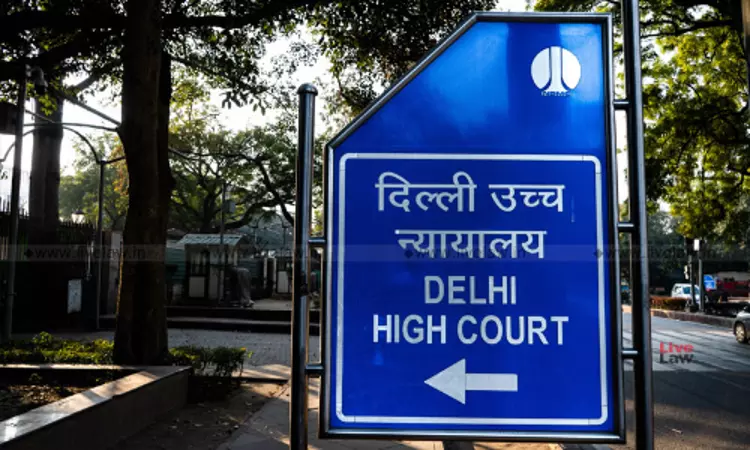
The Delhi High Court today dismissed a petition moved by Vikas Yadav, serving a 25-year jail term without remission for the murder of business executive Nitish Katara in 2002, seeking release on furlough.Justice Ravinder Dudeja reiterated that furlough is a discretionary relief and not an enforceable right.The Court dismissed Yadav's plea challenging the rejection of his application for...
This is a premium content
Available exclusively to
Our subscribers
Subscribe Premium 
INR 1099+GST
Your support helps us to bring you more content at
an affordable subscription scheme !!!
All payment options available
The Delhi High Court today dismissed a petition moved by Vikas Yadav, serving a 25-year jail term without remission for the murder of business executive Nitish Katara in 2002, seeking release on furlough.
Justice Ravinder Dudeja reiterated that furlough is a discretionary relief and not an enforceable right.
The Court dismissed Yadav's plea challenging the rejection of his application for first spell of furlough for 21 days and the subsequent corrigendum issued by prison authorities.
At the outset, the Court observed that furlough is “neither an absolute right nor a matter of course,” but a conditional and discretionary relief governed strictly by the Delhi Prison Rules, 2018.
Yadav was convicted for offences under Sections 302, 364, 201 and 34 of IPC. His sentence was enhanced to life imprisonment- 25 years of actual imprisonment without consideration of remission, which was upheld by the Supreme Court.
Rejecting his plea, the Court took note of Rule 1223(I) of the Delhi Prison Rules, as amended with effect from June 16, 2020, which prescribes earning rewards in the last three Annual Good Conduct Remissions as a condition precedent for consideration of furlough.
“The petitioner admittedly cannot earn such remissions till his stipulated 25 years of actual imprisonment is undergone and therefore fails to satisfy the threshold eligibility under the applicable rule framework,” the Court said.
It added that even otherwise, eligibility for furlough does not translate into an enforceable right.
Justice Dudeja said that Yadav's antecedents, including the commission of the Katara's murder while being on bail in another high- profile murder case, and threat perception, were relevant considerations under the Delhi Prison Rules.
The Court said that the discretion vested in the authorities to deny furlough in the interest of public order and safety has been exercised on germane considerations and cannot be termed perverse or irrational.
“It is well settled that the objective of furlough is reformative and humanitarian in nature, intended to enable prisoners to maintain social and familial ties and to alleviate the rigours and monotony of prolonged incarceration,” the Court said.
“However, such benevolent considerations cannot be invoked to dilute or bypass the explicit statutory requirements prescribed under the Delhi Prison Rules, which are binding and must be strictly complied with while considering any claim for furlough,” it added.
It held that Yadav was statutorily ineligible for furlough under the Delhi Prison Rules, 2018, as amended in the year 2020 and, in any event, did not merit discretionary relief.
Title: VIKAS YADAV v. THE STATE NCT OF DELHI THROUGH SECRETARY & ORS
Citation: 2026 LiveLaw (Del) 186
Tags

Nupur Thapliyal
Nupur Thapliyal is a Principal Correspondent with LiveLaw, based in New Delhi. She reports from the Delhi High Court and trial courts in the national capital

