



- Home
- /
- High Courts
- /
- Delhi High Court
- /
- Video Conferencing Can Be Used To...
Video Conferencing Can Be Used To Cross-Examine Witness Unable To Travel Due To Sickness: Delhi High Court
LIVELAW NEWS NETWORK
30 Oct 2026 2:43 PM IST
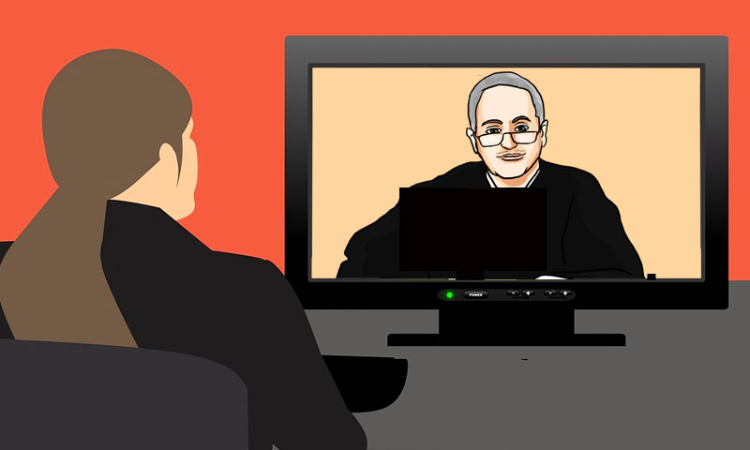
The Delhi High Court has held that a witness who is unable to travel to court due to illness, undue delay or expense, can be permitted to undergo examination through video conferencing, provided the process can be conducted effectively and without compromising the fairness of the proceedings.Justice Swarana Kanta Sharma made the observation while allowing an application seeking permission...
This is a premium content
Available exclusively to
Our subscribers
Subscribe Premium 
INR 1099+GST
Your support helps us to bring you more content at
an affordable subscription scheme !!!
All payment options available
The Delhi High Court has held that a witness who is unable to travel to court due to illness, undue delay or expense, can be permitted to undergo examination through video conferencing, provided the process can be conducted effectively and without compromising the fairness of the proceedings.
Justice Swarana Kanta Sharma made the observation while allowing an application seeking permission to virtually cross-examine a 71-year-old witness in a testamentary case.
The witness resides in Uttarakhand and was stated to be suffering from age-related health issues. Her doctor had advised her rest, making it difficult for her to travel to Delhi for cross-examination.
The Court noted that the witness had already travelled to Delhi on three occasions for her cross-examination, however the same could not take place.
On the first occasion, an adjournment was sought on behalf of the respondent's counsel due to illness. On the second, the Court was on leave, while on the third, the petitioner's counsel was unavailable due to a bereavement in the family.
Taking note of these circumstances, the Court observed that a “pragmatic approach” was warranted, as requiring the elderly witness to undertake further journeys from Uttarakhand to Delhi would cause “avoidable hardship”.
At the same time, the Court emphasised that cross-examination is an important facet of a fair adjudicatory process and that the respondent's right to test the witness's testimony must remain fully protected.
It referred to Rule 13(8) of the Electronic Evidence and Video Conferencing Rules, 2025, which permits video conferencing from the place where a person is located if they cannot reach the court or designated place due to sickness or physical infirmity, or if securing their presence would entail undue delay or expense.
It also noted that Rule 13(9) empowers the Court to decline video-conferencing examination if the witness's evidence cannot be effectively recorded through that mode. In the present case however, no such impediment had been brought to the Court's notice.
The Court held that video conferencing would facilitate completion of the witness's cross-examination while avoiding further inconvenience and unnecessary delay, provided appropriate safeguards were put in place to ensure fairness.
As such, the Court allowed the application and directed that the cross-examination be conducted through a designated VC facility in Uttarakhand.
For Petitioner: Mr. Rohan Khanna, Advocate
For Respondents: Mr. Abhinav Singh, Ms. Pearl Khurana and Mr. Shantanu Patel, Advocates for GNCTD Ms. Shumaila, Advocate for R3 and R-7 Mr. Rajeshwar Kumar Gupta, Advocate for R-4


