



J&K High Court Quashes Preventive Detention Order After 2-Year Delay, Says 'Live & Proximate Link' With Past Activities Snapped
LIVELAW NEWS NETWORK
11 Oct 2026 10:55 AM IST
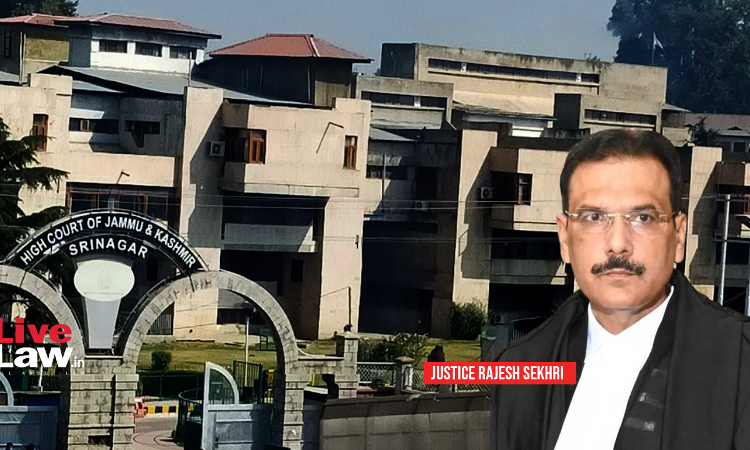
The Jammu & Kashmir and Ladakh High Court has quashed a preventive detention order holding that the unexplained delay of more than two years in executing the order, despite the petitioner regularly attending trial proceedings, snapped the “live and proximate link” between his alleged past activities and the need for his detention.
The Court was hearing a petition challenging a detention order passed by the District Magistrate, Anantnag, under the Jammu and Kashmir Public Safety Act, 1978. The order was challenged at the pre-execution stage, before it could be implemented, and had been stayed by the High Court on September 11, 2024.
Justice Rajesh Sekhri, while allowing the petition, observed,
“Therefore, there is no doubt that there is inordinate unexplained delay of two years on the part of the detaining authority in securing the detention of the petitioner, which snapped the 'live and proximate link' between his alleged criminal activities of the past and the imperative need to detain him now, at this length of time.”
Background


The detention order followed a dossier submitted by the Senior Superintendent of Police, Anantnag, on June 23, 2022, alleging that one Kaiser Beigh was an overground worker of the banned organisation Jaish-e-Mohammed and provided shelter and transportation to active militants. The authorities also relied on the allegation that he continued to harbour anti-national ideology after an earlier detention order dated October 19, 2021, had been quashed by the High Court.
The sponsoring officer recommended preventive detention, citing the petitioner's alleged links with terrorists and the impending Shri Amarnath Yatra. The District Magistrate consequently ordered his detention to prevent activities prejudicial to the security of the State.
Beigh challenged the order on several grounds, including that the allegations related to past events, no fresh activity had been attributed to him after his release on bail in August 2020, and the authorities had made no serious effort to execute the order despite his availability. He also contended that he had continued attending proceedings before the Additional Sessions Judge, Anantnag, where the case against him was pending.
The respondents opposed the petition, maintaining that the detention order had been passed after considering the police dossier and that the petitioner's alleged continued involvement in anti-national activities posed a threat to State security. They also submitted that the relevant documents had been supplied and explained to him.
Court's Observations
The High Court first considered whether the detention order could be challenged before its execution. Referring to the Supreme Court's decision in Additional Secretary to Government of India v. Alka Subash Gadia (1992), the Court reiterated that judicial review at the pre-execution stage is available in limited circumstances, including where an order is passed for a wrong purpose or rests on vague, extraneous or irrelevant grounds.
The Court found that the detention order had been founded on the apprehension that Beigh's alleged allegiance to a banned outfit made it risky to keep him at liberty during the Amarnath Yatra. However, he was concededly attending proceedings before the trial court in the solitary FIR of 2019 cited against him.
The Court held that the case fell within the exceptions recognised in Alka Subash Gadia, observing that the order had been passed “for a wrong purpose and on vague, extraneous and irrelevant grounds.”
The Court then examined the requirement of a live and proximate link in preventive detention matters. It explained that preventive detention is intended to address an immediate threat and that there must be “a strong and immediate connection between his past activities and the imperative need to detain him.”
Applying this principle, the Court noted that the detention order had been passed on June 25, 2022, while the petitioner approached the High Court for its quashing on September 9, 2024. During the intervening period of more than two years, the authorities had made no serious effort to execute the order, even though Beigh regularly attended trial proceedings before the Additional Sessions Judge, Anantnag.
The Court found the delay unexplained and held that it severed the necessary connection between the alleged past activities and the proposed detention. It concluded that the order could not be sustained when the authorities had allowed more than two years to pass without executing it, despite the petitioner's continued presence before the trial court.
Allowing the petition, the High Court quashed the detention. The Court held that the order was unsustainable in law, having been passed on grounds falling within the recognised exceptions for pre-execution judicial review and having lost the required live and proximate link due to the unexplained delay in its execution.
Case Title: Kaiser Hameed Beigh v. Union Territory of J&K and Others
Citation: 2026 LiveLaw (JKL) 452
Appearances:
For the Petitioner: Wajid Haseeb, Advocate
For the Respondents: Ilyas Nazir Laway, Government Advocate


