



'Duty To Maintain Widow Daughter-In-Law, Children Despite Age': Jharkhand High Court Upholds Maintenance Obligation Of 84-Year-Old Father-In-Law
LIVELAW NEWS NETWORK
9 Nov 2026 6:40 PM IST
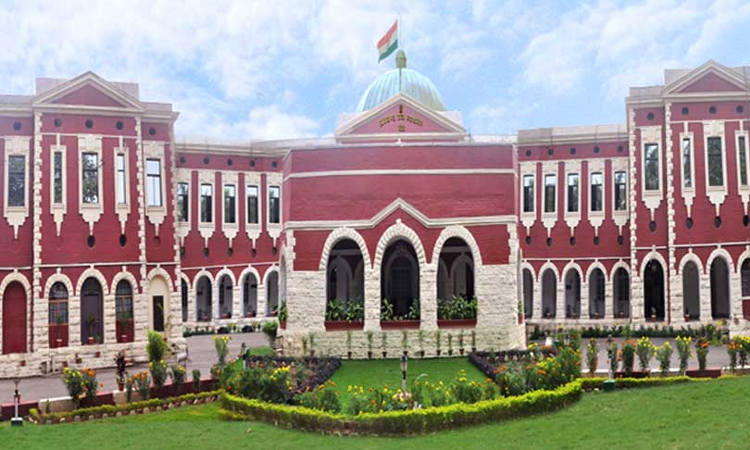
The Jharkhand HC has held that the pious responsibility of maintaining a widowed daughter-in-law and grandchildren is not extinguished merely because the father-in-law is elderly. The Court upheld an order directing an approximately 84-year-old man to pay ₹17,000 per month towards the maintenance of his widowed daughter-in-law and two minor grandsons.
A Division Bench comprising Chief Justice M.S. Sonak and Justice Manoj Prasad dismissed an appeal filed by Roshan Lal Saw challenging the Family Court, Dhanbad's order directing him to pay maintenance under the Hindu Adoptions and Maintenance Act, 1956.
The dispute arose after Nilam Kumari, whose husband Suraj Kumar was the appellant's only son, sought maintenance for herself and her two minor children following her husband's death on October 27, 2020. She alleged that after her husband's death, her father-in-law failed to maintain her and the children, affecting their education. She claimed that she had no independent source of livelihood and had not received any share in her deceased husband's estate.


She further alleged that her father-in-law received a monthly pension exceeding ₹32,000, possessed fixed deposits worth over ₹80 lakh and had other sources of income. She sought monthly maintenance of ₹75,000. The father-in-law contested the claim, submitting that he was over 83 years old and his wife was over 80 years old and dependent on him. While admitting that he received approximately ₹32,000 as pension, he denied possessing fixed deposits worth ₹80 lakh and claimed that his retirement benefits had been used to construct a house. He also contended that he had been maintaining his daughter-in-law and grandsons, including meeting the children's educational expenses.
The Family Court, noting the appellant's pension and rental income, directed him to pay ₹7,000 per month to his daughter-in-law and ₹5,000 each to his two minor grandsons until they attained majority. Examining the appeal, the High Court referred to Sections 19, 20, 21 and 22 of the Hindu Adoptions and Maintenance Act, which deal with maintenance of widowed daughters-in-law, children and dependants.
The Bench observed that a composite reading of these provisions imposed a duty to maintain a widowed daughter-in-law without an independent source of livelihood, as well as dependent grandchildren. The Court noted the appellant's contention that his advanced age and age-related illnesses prevented him from making productive use of agricultural and ancestral properties. His wife, who was also over 80 years old, was dependent upon him.
Rejecting the contention that his age relieved him of the obligation to maintain his dependants, the Court observed:
“Be that as it may, the fact remains that the pious responsibility of maintaining the widowed daughter-in-law and the grandchildren does not get exonerated on account of the age of the present appellant. Nothing rebuts the claim that a monthly rental of more than Rs.18,000/- is paid to the present appellant or his wife, leading to a cumulative monthly income of more than Rs.50,000/-. Therefore, in view of the statutory mandate contained under the provisions of the Hindu Adoption and Maintenance Act, the appellant was under a legal obligation and pious duty to maintain his widowed daughter-in-law and grandchildren who are dependents.”
On the quantum of maintenance, the Bench noted that the appellant's pension exceeded ₹32,000 per month, while a rent agreement reflected rental income exceeding ₹18,000 per month in his wife's name.
Considering the cumulative monthly income of over ₹50,000, the Court found that the Family Court's award of ₹17,000 per month was not unreasonable.
Accordingly, the High Court upheld the maintenance awarded to the widowed daughter-in-law and her two minor sons and dismissed the father-in-law's appeal.
Appearance:
For the Appellant: Mr. Mahesh Tewari, Advocate
For the Respondents: Mr. Rakesh Kumar Gupta, Advocate


