Actress Assault Case | How To Expunge Remarks Not Part Of Judicial Record? Kerala High Court Asks Lawyer Seeking Contempt Action Against Judge
Anamika MJ
4 Nov 2026 2:59 PM IST
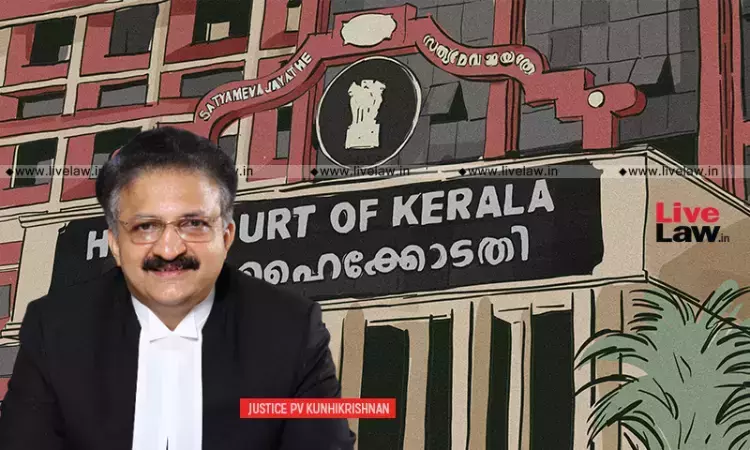
While hearing a petition filed by Advocate T.B. Mini, who appeared for the survivor in the 2017 Actress Assault Case, the Kerala High Court on Wednesday (November 4) orally questioned how it could expunge trial judge's alleged remarks that did not form part of the judicial record.
The petition stems from an alleged remark by trial judge Honey M. Varghese that Mini was an “absent lawyer” who had appeared in court for fewer than 10 days. Mini says she was present for more than 200 days of the trial.
"Is it part of the judicial proceedings?...From where should I expunge the remarks if its is not there..." Justice P.V. Kunhikrishnan asked while considering Mini's plea seeking contempt action against the judge.
The petitioner submitted that she had been subjected to severe mental trauma and reputational damage over the past ten months following the alleged remarks and subsequent media coverage. It was argued that the publications had adversely affected her professional standing and right to livelihood, with members of the public allegedly calling for cases not to be entrusted to her.


The counsel for the petitioner questioned the propriety of the presiding officer allegedly making remarks in the presence of media representatives, and contended that judicial officers were expected to exercise restraint while discharging their functions. Reference was also made to Section 16 of the Contempt of Courts Act.
The petitioner sought directions concerning the alleged remarks, removal of media reports and protection of her professional reputation. She contended that the remarks were unnecessary for adjudication of the case in which they were purportedly made and were not integral to the judicial process.
The Court however asked whether the alleged remarks actually formed part of the judicial proceedings or were reflected in the judicial record.
The Court also questioned what relief it could grant if the grievance primarily concerned publications made independently by media organisations who have not been made party to the writ petition.
It suggested that if the grievance was against the media publications, the petitioner could approach the Press Council of India.
"If this is against media publication, you should approach the Press Council of India." the Court said.
The Counsel however, clarified that the grievance against the media was secondary and that the primary grievance concerned the alleged conduct of the judicial officer.
It was submitted that the petitioner had suffered considerable personal and professional consequences, including damage to her reputation and withdrawal from social interactions.
Reliance was also placed on the principle that judicial observations should ordinarily satisfy certain standards, including whether the conduct of the party concerned was relevant, whether there was evidence on record to support the observation, and whether such an observation was necessary for deciding the case.
The Court subsequently sought to reassure the petitioner about her professional standing. "Convey to your client that this Court has full faith in her as a lawyer. This Court knows her capacity.. I am sure that all the judges in this High Court knows her capacity.. She need not worry" it said.
The matter is posted for further consideration on Friday.