



Applications Under Section 60(5) IBC Cannot Be Used To Modify Approved Resolution Plans: NCLT Delhi
Mohd.Rehan Ali
19 Nov 2025 12:47 PM IST
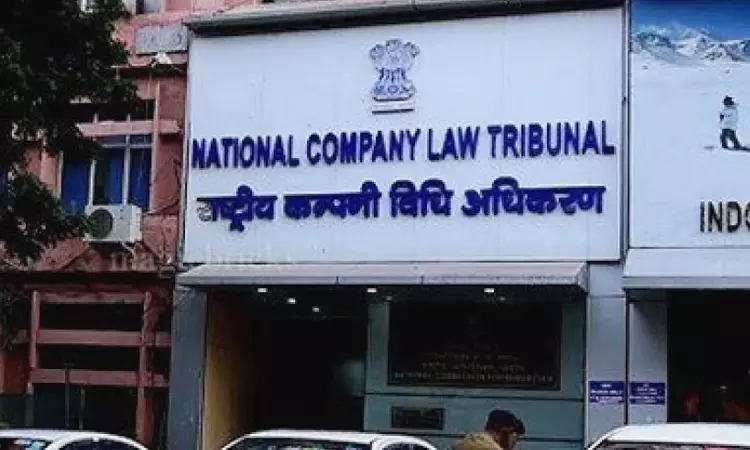
The National Company Law Tribunal (NCLT) at Delhi has recently clarified that an application under Section 60(5) of the Insolvency and Bankruptcy Code (IBC), which empowers the NCLT to determine disputes affecting the resolution process, cannot be used to revisit or modify a resolution plan once it has been approved by the tribunal. The ruling came in a petition filed by the...
This is a premium content
Available exclusively to
Our subscribers
Subscribe Premium 
INR 1099+GST
Your support helps us to bring you more content at
an affordable subscription scheme !!!
All payment options available
The National Company Law Tribunal (NCLT) at Delhi has recently clarified that an application under Section 60(5) of the Insolvency and Bankruptcy Code (IBC), which empowers the NCLT to determine disputes affecting the resolution process, cannot be used to revisit or modify a resolution plan once it has been approved by the tribunal.
The ruling came in a petition filed by the Successful Resolution Applicants (SRAs) for the Shubhkamna City project in Greater Noida. The SRAs sought directions to conduct a structural audit and undertake retrofitting or repairs based on the audit, arguing it was necessary to ensure the effective implementation of the approved plan.
However, the tribunal, comprising Judicial Member Manni Sankariah Shanmugha Sundaram and Technical Member Atul Chaturvedi, dismissed the plea. The tribunal observed,
"The jurisdiction of this Adjudicating Authority under Section 60(5) cannot be invoked to revisit or vary the terms of an approved Resolution Plan under the guise of facilitating its implementation. It is a settled position of law that “what cannot be done directly can also not be done indirectly,” being the doctrine of colourable legislation that will apply in the present case,"
The tribunal noted that any direction to carry out audits or retrofitting would inevitably alter the cost, timelines, and implementation structure of the approved plan. Allowing such measures would effectively reopen a plan that has attained finality, particularly since the plan is currently pending before the NCLAT following a challenge by the Greater Noida Industrial Development Authority.
The NCLT also referred to the Supreme Court ruling in Ebix Singapore Pvt. Ltd. v. Committee of Creditors of Educomp Solutions Ltd. (2022), which established that once a resolution plan is approved by the CoC and the adjudicating authority, it becomes irrevocable. The court held that any post-approval modification would undermine the sanctity, predictability, and finality of the resolution process.
The tribunal also observed that since the matter is sub-judice, entertaining fresh applications relating to implementation or financial obligations would be beyond jurisdiction and would also amount to judicial overreach.
Accordingly, the tribunal dismissed the plea, observing that the relief sought is beyond the scope of section 60(5) of the code.
Case Title: Surender Kumar Singhal and Anr. Vs. Anand Sonbhadra and Anr.
Case Number: I.A. NO. 3991 OF 2025 IN C.P. NO. (IB) 1059 (ND) OF 2018
For Applicant: Advocates Aditya Gauri, Amar Vivek, Damini Srestha, Anant Jain, Aryan Chhabra
For Resolution Professional: Advocates Abhishek Anand, Karan Kohli, Vaishnavi


