


Labour & Service
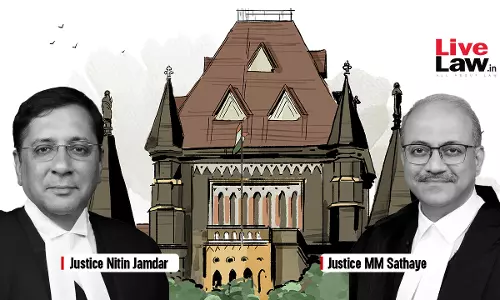
Leave Encashment Akin To Salary, Employee Cannot Be Deprived Without Valid Statutory Provision: Bombay High Court
Leave encashment is not a bounty but right earned by employee, the Bombay High Court observed while affirming the entitlement of two former employees of Vidharbha Konkan Gramin Bank to encash their accrued privilege leave, despite their resignations from the bank.A division bench of Justice Nitin Jamdar and Justice MM Sathaye allowed the employees' writ petitions and directed the bank to pay...
Payment Of Gratuity Act Applicable To Anganwadi Workers And Helpers: Tripura High Court
The Tripura High Court recently held that the Payment of Gratuity Act, 1972 is applicable to the Anganwadi Workers and Anganwadi Helpers working in the State.In this context, the single judge bench of Justice S. Datta Purkayastha quashed the memorandum dated August 11, 2023 issued by State's Social Welfare & Social Education Department to the extent that the claim of gratuity was denied...

Government's Order To Revise Pay Scale On Recommendations Of Expert Committee Can't Be Refused By Employer On Grounds Of Disparity In Employees' Qualifications: Madras High Court
A division bench of the Madras High Court comprising of Justice R. Suresh Kumar and Justice K. Kumaresh Babu, while deciding Writ Appeal in the case of Tamil Nadu Tea Corporation Ltd. vs. Tantea Employees' Federation, held that order passed by the Government to revise the pay scale on recommendations of an expert committee cannot be refused by the employer on grounds of...
Purpose Of Compassionate Appointment Is To Reduce Immediate Financial Hardship Faced By Employees' Family Upon Their Death: Madras High Court
A division bench of the Madras High Court comprising of Justice R. Suresh Kumar and K. Kumaresh Babu, while deciding Writ Petition in the case of Union of India vs. S. Radhakannan, held that upon the death of the employee, the purpose of compassionate appointment is to reduce the immediate financial hardship faced by their family. Background Facts The father of S. Radhakannan...

Disciplined Force Employees Not Entitled Overstay Over Leave Period Without Reasons: Meghalaya High Court
A single judge bench of the Meghalaya High Court comprising of Justice S. Vaidyanathan, Chief Justice, while deciding Writ Petition in the case of Shri Ashwin Patti vs. Union of India, held that employees of the disciplined forces are not eligible for any relief if they exceed their leave period without providing adequate justification. Background Facts Ashwin Patti (Petitioner)...
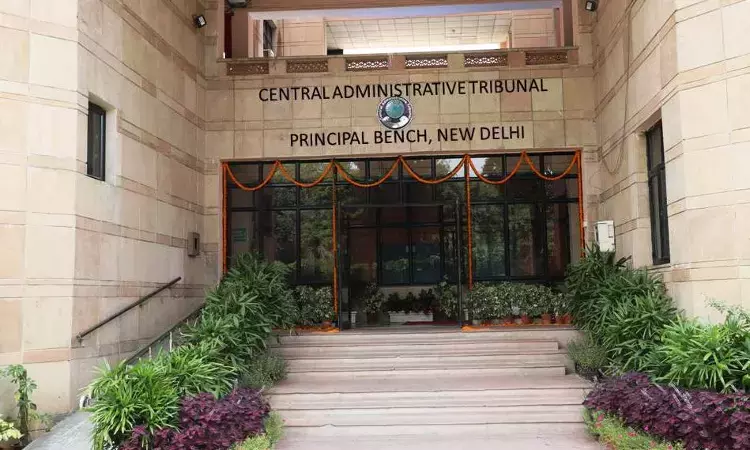
Contractual And Daily Wage Female Employees Entitled To Maternity Benefits Irrespective Of Nature Of Establishment: CAT, New Delhi
The Central Administrative Tribunal, New Delhi single bench of Dr. Anand S. Khati (Administrative Member) held that benefits under the Maternity Benefits Act, 1961 must be extended to all female employees irrespective of their employment status or the nature of establishment. Brief Facts: The Applicant was appointed as a Senior Resident (OBS and Gynae) on a contractual basis at...
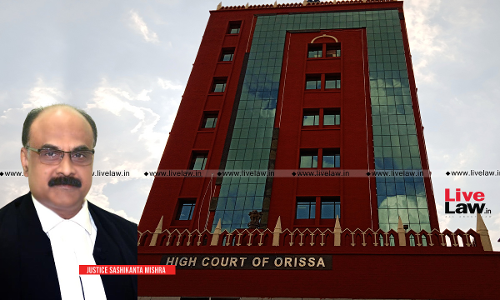
Date From Which Regularization Is Granted Is Decided By Employer, Employee Can't Claim It Without Any Basis: Orrisa High Court
The Orrisa High Court bench of Justice Sashikanta Mishra held that the date from which regularization is to be granted to an employee is a matter to be decided by the employer keeping in view several factors. The bench held that it depends on the nature of the work, the number of posts lying vacant, the financial condition of the employer, the additional financial burden caused,...
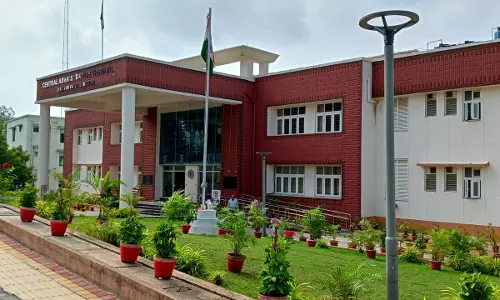
Reserved Category Candidates Can Compete For Unreserved Posts, Unreserved Seats Are Open To Competition From All: CAT Jabalpur
The Central Administrative Tribunal, Jabalpur bench of Justice Akhil Kumar Srivastava (Judicial Member), and Kumar Rajesh Chandra (Administrative Member) held that reserved category candidates can compete for the unreserved posts, as well. It noted that the candidates belonging to Scheduled Castes who compete on their own merit along with general category candidates are not to...
Even If There Are Discrepancies In Exam, Employee Should Be Provided Show Cause Notice Before Cancelling Promotion: CAT, Allahabad
The Central Administrative Tribunal, Allahabad bench of Justice Om Prakash(Judicial Member) and Mohan Pyare (Administrative Member) held that even if, there is a presumption that there were discrepancies in the conduct of examination, proper opportunities should have been provided to the employee by issuing show cause notice and inviting their submission before canceling...
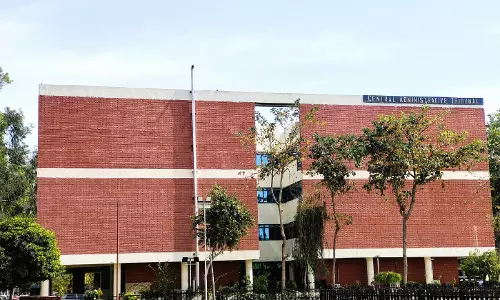
Child Care Leave Applied by Women Employee Needs To Be Considered With Sympathetic View: CAT Chandigarh
The Central Administrative Tribunal Chandigarh single bench of Justice Suresh Kumar Batra held that Child Care Leave applied for by a woman employee at the time when she gave birth to twins needs to be considered with a sympathetic view. It held that the problem of inadequate working staff, if any, being faced by the management due to leave of the worklady can be addressed by...
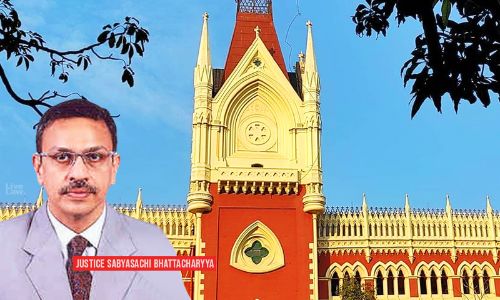
Cooperative Bank Employees Not Covered Under Definition Of “Public Servant” As Per Section 21 Of IPC In Context Of Election Duties: Calcutta High Court
A single bench of the Calcutta High Court comprising of Justice Sabyasachi Bhattacharyya, while deciding Writ Petitions in the case of Malda District Central Cooperative Bank Employees Association and others vs. The Election Commission of India and others, held that Cooperative bank employees cannot be considered as “public servants” under Section 21 of the IPC when it comes...

Burden Of Proving Completion Of 240 Days of Service In Any Calendar year rests On Petitioner: Bombay High Court
A single bench of the Bombay High Court comprising of Justice Sandeep V. Marne while deciding a writ petition in the case of Prakash S. Hande v. Hindustan Lever Limited has reiterated that the burden of proving completion of 240 days of service in any calendar year rests on the Petitioner. Background of Facts Prakash S. Hande (Petitioner), claimed to have been employed by...