



- Home
- /
- News Updates
- /
- CJI Surya Kant Inaugurates Victim...
CJI Surya Kant Inaugurates Victim Rights Centre In Patna; Says Justice Must Reach Citizens
LIVELAW NEWS NETWORK
28 Sept 2026 2:14 PM IST
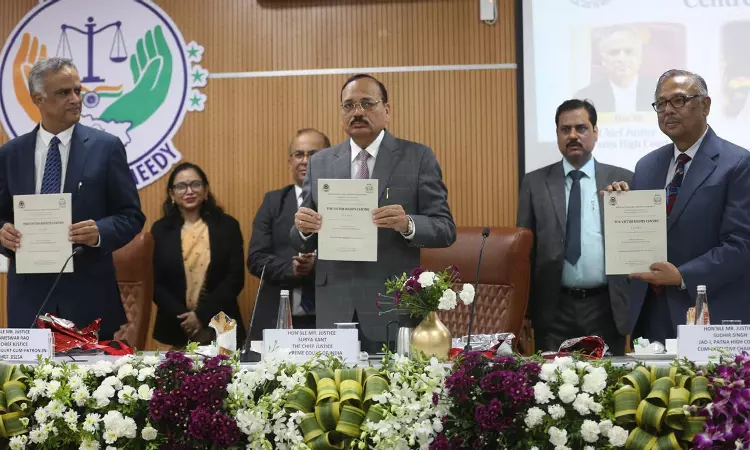
The Chief Justice of India, Justice Surya Kant, on Friday inaugurated the Victim Rights Centre at the Bihar State Legal Services Authority (BSLSA), Patna. Described as the first single-window model for victims of crime, the Centre aims to help victims access compensation, legal aid, medical assistance, counselling, protection and rehabilitation through a single point of contact.At the...
This is a premium content
Available exclusively to
Our subscribers
Subscribe Premium 
INR 1099+GST
Your support helps us to bring you more content at
an affordable subscription scheme !!!
All payment options available
The Chief Justice of India, Justice Surya Kant, on Friday inaugurated the Victim Rights Centre at the Bihar State Legal Services Authority (BSLSA), Patna. Described as the first single-window model for victims of crime, the Centre aims to help victims access compensation, legal aid, medical assistance, counselling, protection and rehabilitation through a single point of contact.
At the same programme, the Chief Justice launched a helpline for transgender persons, flagged off nine multi-utility vehicles for legal aid outreach in villages, and released a booklet explaining the functioning of the Centre. Justice V. Kameswar Rao, Chief Justice of the Patna High Court and Patron-in-Chief of BSLSA, and Justice Sudhir Singh, Judge of the Patna High Court and Executive Chairman of BSLSA, also addressed the gathering.
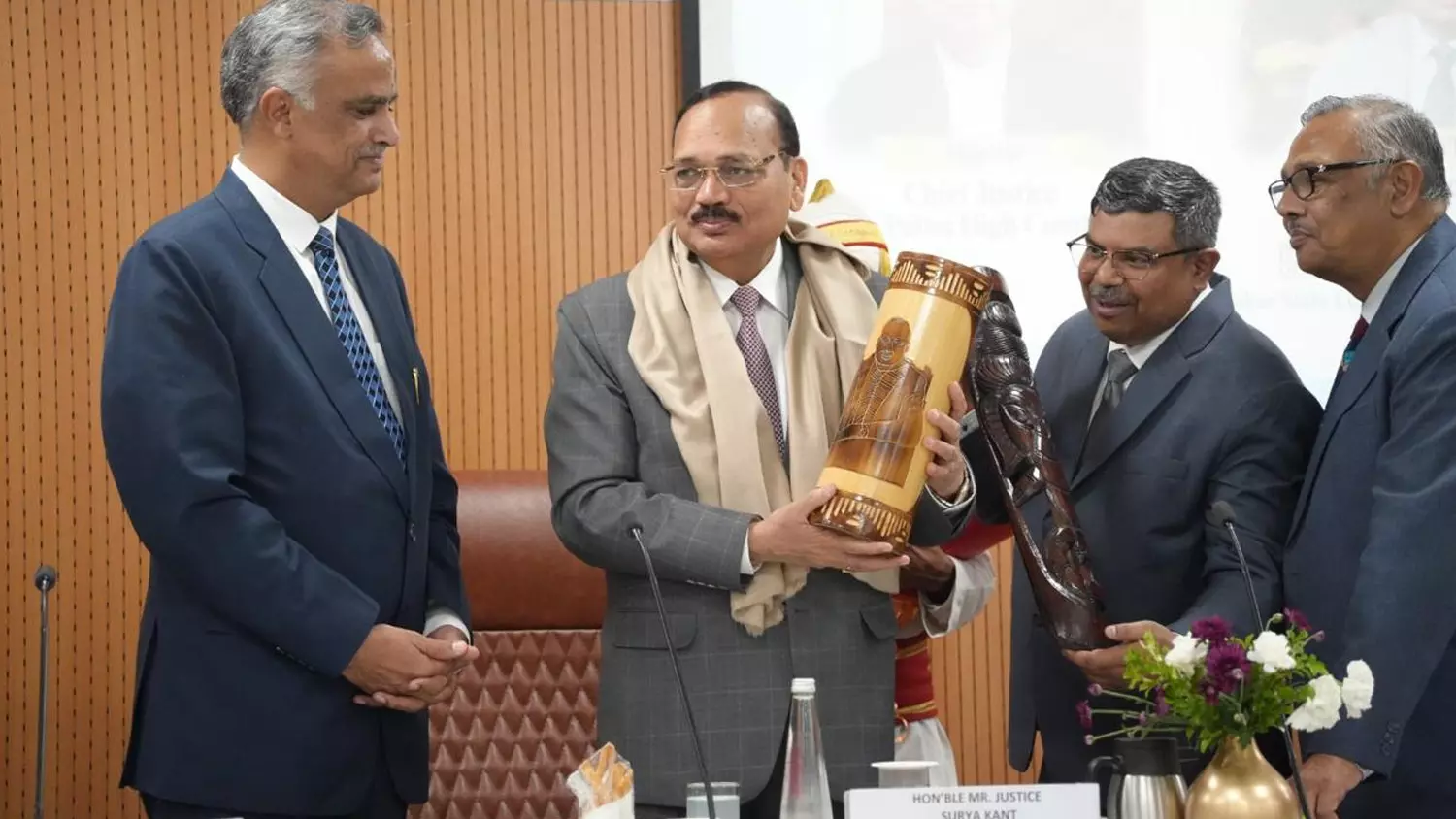
Speaking at the event, Justice Surya Kant said every justice system must ask how close justice is to a person who needs it. He observed that victims are often sidelined during criminal proceedings and that the new Centre seeks to ensure that victims can access legal entitlements without navigating multiple offices. He said the Centre would function through “one centre, one file and one point of accountability” and would track each case with timelines attached to every task.
On the transgender helpline, Justice Kant referred to the Supreme Court's decision in NALSA and said the helpline should provide a safe avenue for transgender persons facing harassment or discrimination to seek legal assistance. While flagging off the legal aid vehicles, he stated that access to justice is complete only when those who need it can reach legal institutions without financial, social or procedural barriers.
Justice V. Kameswar Rao said that while criminal justice discussions often focus on investigation, evidence and trial, victims must not become invisible in the process. Referring to Articles 14, 21 and 39A of the Constitution, he stressed that access to justice requires not only the availability of courts but also awareness of rights and available remedies.
Justice Sudhir Singh said the programme reaffirmed the constitutional commitment that justice must be accessible to those who need it. He referred to the Supreme Court's decision in Jagjeet Singh v. Ashish Mishra recognising victims' rights to meaningful participation in criminal proceedings and noted that the concept of the Centre had emerged from a project report and proposal submitted by Ms. Shama Sinha, Advocate, Patna High Court. He added that the transgender helpline and legal aid vehicles were aimed at making justice easier to reach.
Presenting the concept of the Centre, Ms. Shama Sinha said it was designed to support vulnerable groups, including children in need of care and protection, persons with disabilities, transgender persons, senior citizens, members of Scheduled Castes and Scheduled Tribes, and women. She explained that the model works through existing institutions such as the police, hospitals, Child Welfare Committees, One Stop Centres, State departments and NGOs, with a Coordination Committee ensuring time-bound delivery of relief measures. Victims referred to the Centre would receive legal assistance, psychosocial support and rehabilitation through a single caseworker and point of contact.
The Centre has been established under Section 12 of the Legal Services Authorities Act, 1987, as a twelve-month pilot project in Patna district. It covers entitlements available under the Bharatiya Nagarik Suraksha Sanhita, 2023, the Bihar Victim Compensation Scheme, 2014, and allied laws. Following evaluation, the model is proposed to be extended to other districts through the District Legal Services Authorities.
Tags


