



- Home
- /
- News Updates
- /
- Justice Behind Bars: Lifeline For...
Justice Behind Bars: Lifeline For India's Poorest Prisoners
LIVELAW NEWS NETWORK
16 Feb 2026 9:03 AM IST
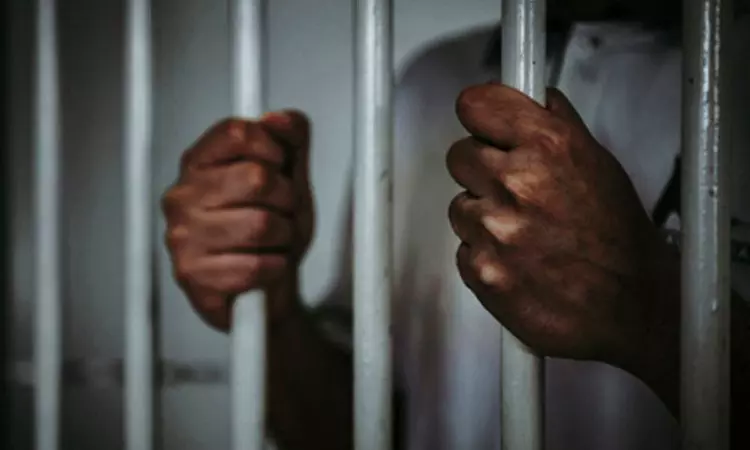
For many prisoners, the difference between freedom and a cramped prison cell isn't a guilty verdict — it's a lack of money. Imagine being granted bail by a judge, only to remain behind bars for months because you can't afford a few thousand rupees for a surety bond or fine.To tackle this “poverty trap” within the legal system, the government has a scheme called “Support to...
This is a premium content
Available exclusively to
Our subscribers
Subscribe Premium 
INR 1099+GST
Your support helps us to bring you more content at
an affordable subscription scheme !!!
All payment options available
For many prisoners, the difference between freedom and a cramped prison cell isn't a guilty verdict — it's a lack of money. Imagine being granted bail by a judge, only to remain behind bars for months because you can't afford a few thousand rupees for a surety bond or fine.
To tackle this “poverty trap” within the legal system, the government has a scheme called “Support to Poor Prisoners.” This initiative aims to ensure that no prisoner remains incarcerated solely due to financial destitution.
Who Is Eligible for Help?
The scheme targets two specific groups of inmates who are stuck in the system because of financial hardship:
1. Undertrial Prisoners
Those granted bail by a court but unable to furnish surety because of lack of funds.
2. Convicted Prisoners
Those who have completed their sentence but remain incarcerated because they cannot pay court-imposed fines.
Who Is Not Eligible?
To protect public interest and maintain legal safeguards, the scheme does not apply to persons accused of or involved in serious and heinous offences, including:
- Terrorism or offences affecting national security
- Unlawful Activities (Prevention) Act cases
- Prevention of Corruption Act offences
- Prevention of Money Laundering Act cases
- NDPS offences
- Dowry death
- Rape
- Human trafficking
- Offences under the POCSO Act
- Other serious offences as specified by authorities
State and district committees are required to exercise caution while considering such cases.
How Much Support Can You Get?
The scheme provides direct financial assistance to secure release.
Undertrial Prisoners (Bail Surety)
- Up to ₹50,000 per prisoner
- Extendable up to ₹1,00,000 at the discretion of the District Empowered Committee
- If bail exceeds ₹1 lakh, the matter may go to the State Oversight Committee
- If higher support is not approved, legal aid may seek reduction of surety from the court
Convicted Prisoners (Fine Payment)
- Up to ₹25,000 sanctioned by the District Empowered Committee
- Amounts above ₹25,000 require approval of the State Oversight Committee
How the System Works (The SOP)
The government has established a strict timeline to ensure bureaucracy doesn't slow down justice.
7-Day Trigger
If an undertrial is not released within 7 days of a bail order, jail authorities must notify the District Legal Services Authority (DLSA).
Verification
A Jail Visiting Lawyer, Paralegal Volunteer, or authorised official verifies the prisoner's financial status and forwards the prescribed form to the DLSA within 5 days.
Empowered Committee Review
The District Empowered Committee meets every 1st and 3rd Monday of the month to consider cases recommended by the DLSA.
Direct Payment
Once approved, the funds are deposited directly in the court through fixed deposit, challan, or another accepted mode to secure the prisoner's release.
Who Decides? The Empowered Committee
Each district constitutes an Empowered Committee typically comprising:
- Nominee of the District Magistrate / District Collector
- Secretary, District Legal Services Authority (Convener)
- Superintendent of Police
- Superintendent or Deputy Superintendent of Prison
- Judge in charge of the prison (nominee of District Judge)
At the state level, an Oversight Committee supervises higher-value approvals and implementation.
Why This Matters
Beyond individual liberty, this scheme is a strategic move to reduce overcrowding in Indian prisons. By providing a safety net for the most vulnerable, the Ministry of Home Affairs aims to ensure that financial status does not determine a person's ability to secure release from custody.
Legal Tip
If you know someone who remains in jail despite being granted bail, they may approach the Jail Visiting Lawyer (JLV) or the Secretary of the District Legal Services Authority (DLSA) regarding assistance under this scheme.
Clcik Here to Read Revised Guidelines and Standard Operating Procedure
Tags


