



- Home
- /
- News Updates
- /
- "Law Is Not Something To Be...
"Law Is Not Something To Be Practised, But To Be Shared": Justice Vikram Nath Launches 'IBC Mantra'
LIVELAW NEWS NETWORK
5 Aug 2026 12:14 PM IST
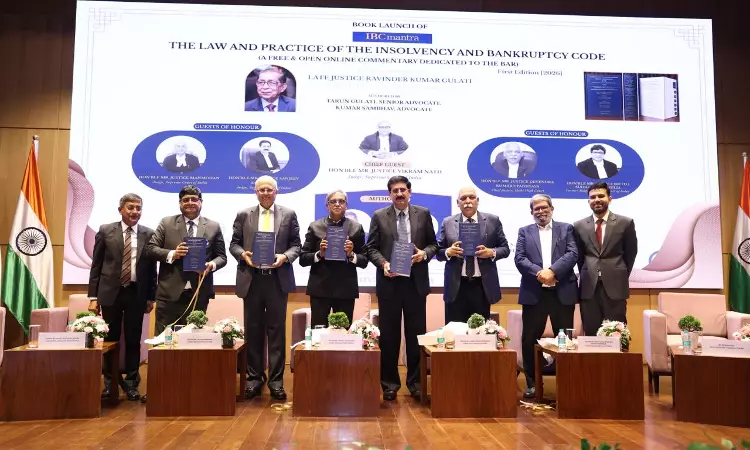
Speaking at the launch of IBC Mantra: The Law and Practice of Insolvency and Bankruptcy Code, Supreme Court Judge Justice Vikram Nath remarked that courtroom observations today often reach social media before judges even return home. Stressing that "law is not something to be practised, but to be shared," he said legal knowledge must be made accessible to all. The free online commentary on...
This is a premium content
Available exclusively to
Our subscribers
Subscribe Premium 
INR 1099+GST
Your support helps us to bring you more content at
an affordable subscription scheme !!!
All payment options available
Speaking at the launch of IBC Mantra: The Law and Practice of Insolvency and Bankruptcy Code, Supreme Court Judge Justice Vikram Nath remarked that courtroom observations today often reach social media before judges even return home. Stressing that "law is not something to be practised, but to be shared," he said legal knowledge must be made accessible to all. The free online commentary on the Insolvency and Bankruptcy Code, 2016, authored by Senior Advocate Tarun Gulati and Advocate Kumar Sambhav after seven years of work, was unveiled at the S-Block Auditorium of the Delhi High Court in the presence of judges, senior advocates, insolvency professionals and members of the Bar.
The launch ceremony was attended by Supreme Court judges Justice Manmohan and Justice Sanjeev Sachdeva, Delhi High Court Chief Justice D.K. Upadhyaya, former Supreme Court judge Justice Sudhanshu Dhulia, sitting judges of the Delhi High Court, members of the Bar and insolvency professionals. A hard copy of the commentary was also presented to Delhi High Court Bar Association President N. Hariharan.
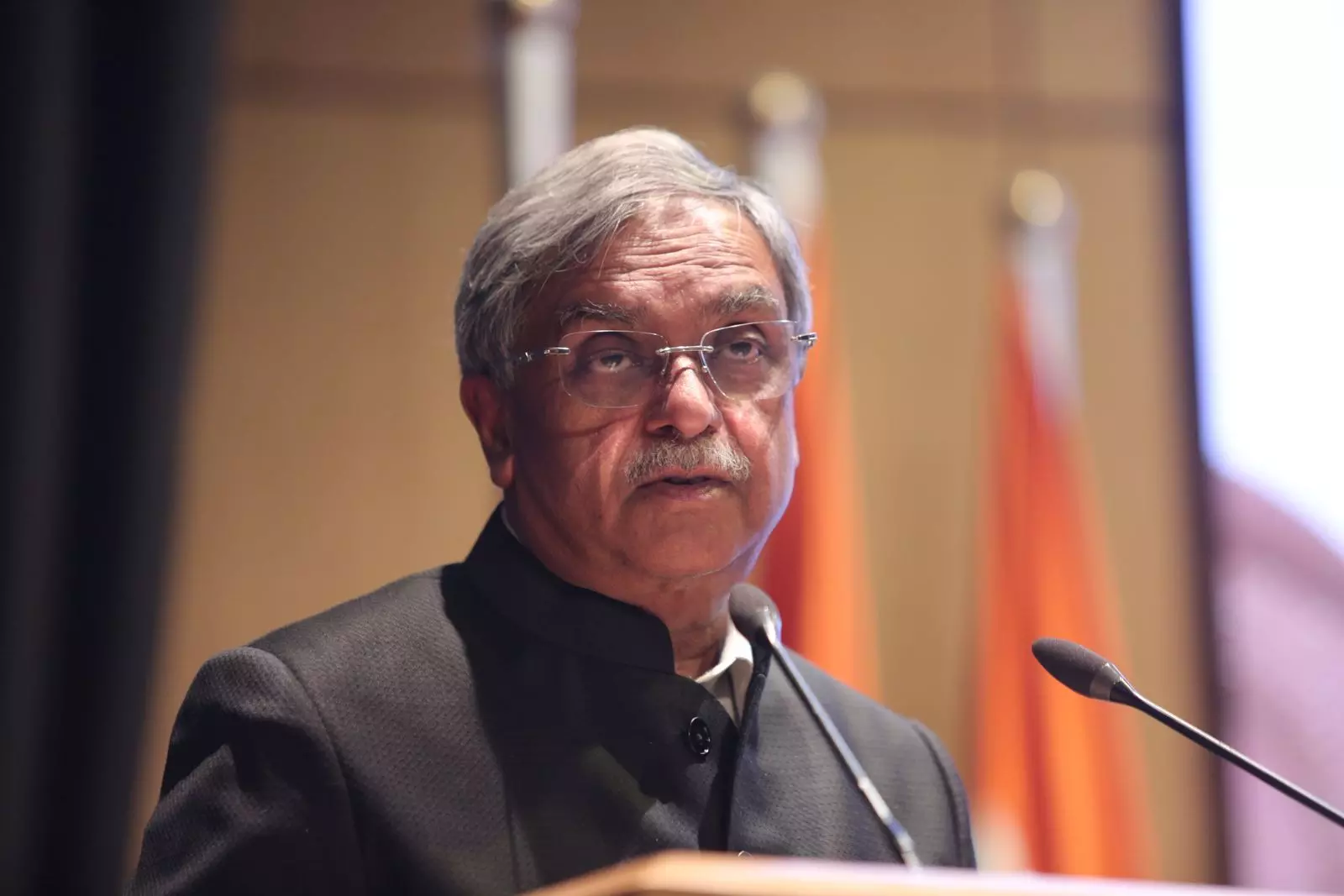
Delivering the keynote address, Justice Nath underscored the importance of legal commentaries in enriching judicial discourse, observing that their value lies not merely in restating statutory provisions but in explaining the evolution and underlying principles of the law.
"A good commentary does not merely tell you what the law is, it explains why the law has developed in a particular direction and what the underlying principles are. That is what makes such works indispensable to both the Bar and the Bench."
Justice Nath also reflected on the changing nature of legal practice in the digital era, noting that courtroom observations today often become the subject of widespread discussion on social media even before judges leave the court premises.
Explaining the idea behind IBC Mantra, co-author Tarun Gulati said the project was conceived with the objective of making quality legal knowledge freely available to young lawyers and students.
"Knowledge can never hide behind a price tag. The younger members of the Bar and the student community need access to rich content which they need not afford."
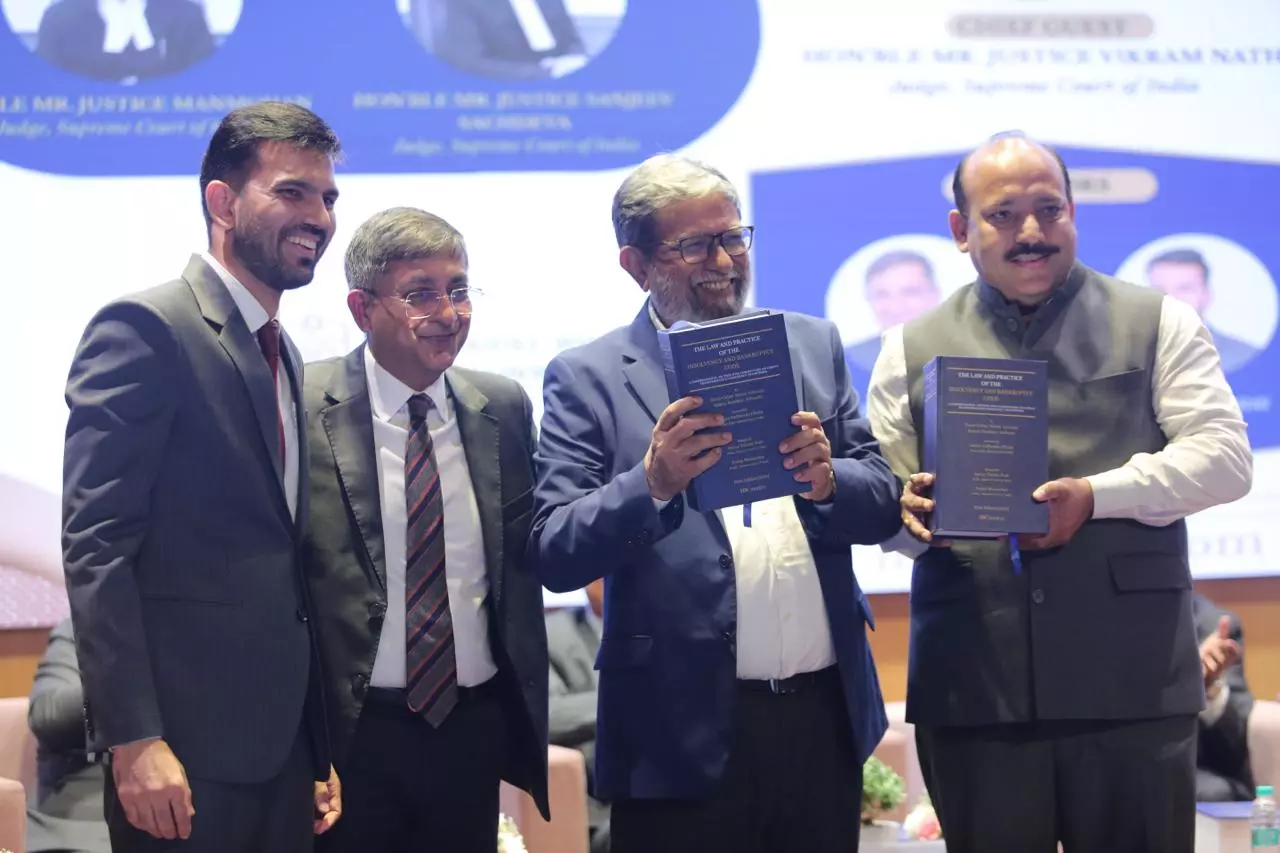
Gulati said the work was conceived in 2019 and took seven years to complete. He added that further knowledge initiatives for young lawyers and students are planned.
Justice Manmohan commended the authors for making the work freely accessible, describing the initiative as an example of giving back to the legal profession.
"They are sharing their labour of love, free of cost, with the entire Bar. I hope this sets a new trend, that lawyers who are doing well decide it is time to give back to the profession, and there can be no better way than sharing knowledge with the next generation."
Recalling the challenges faced by first-generation lawyers due to the absence of adequate legal resources, Justice Manmohan observed that access to quality legal knowledge would become increasingly important as the Insolvency and Bankruptcy Code continues to evolve through judicial interpretation.
Justice Sanjeev Sachdeva addressed what he described as a common misconception surrounding the Insolvency and Bankruptcy Code, emphasising that the legislation is intended to facilitate the revival of viable businesses rather than their closure.
"A common misconception is that the IBC is a corporate death warrant designed to shut companies down. It is not. The primary object of the IBC is resolution, not liquidation — liquidation is the last resort."
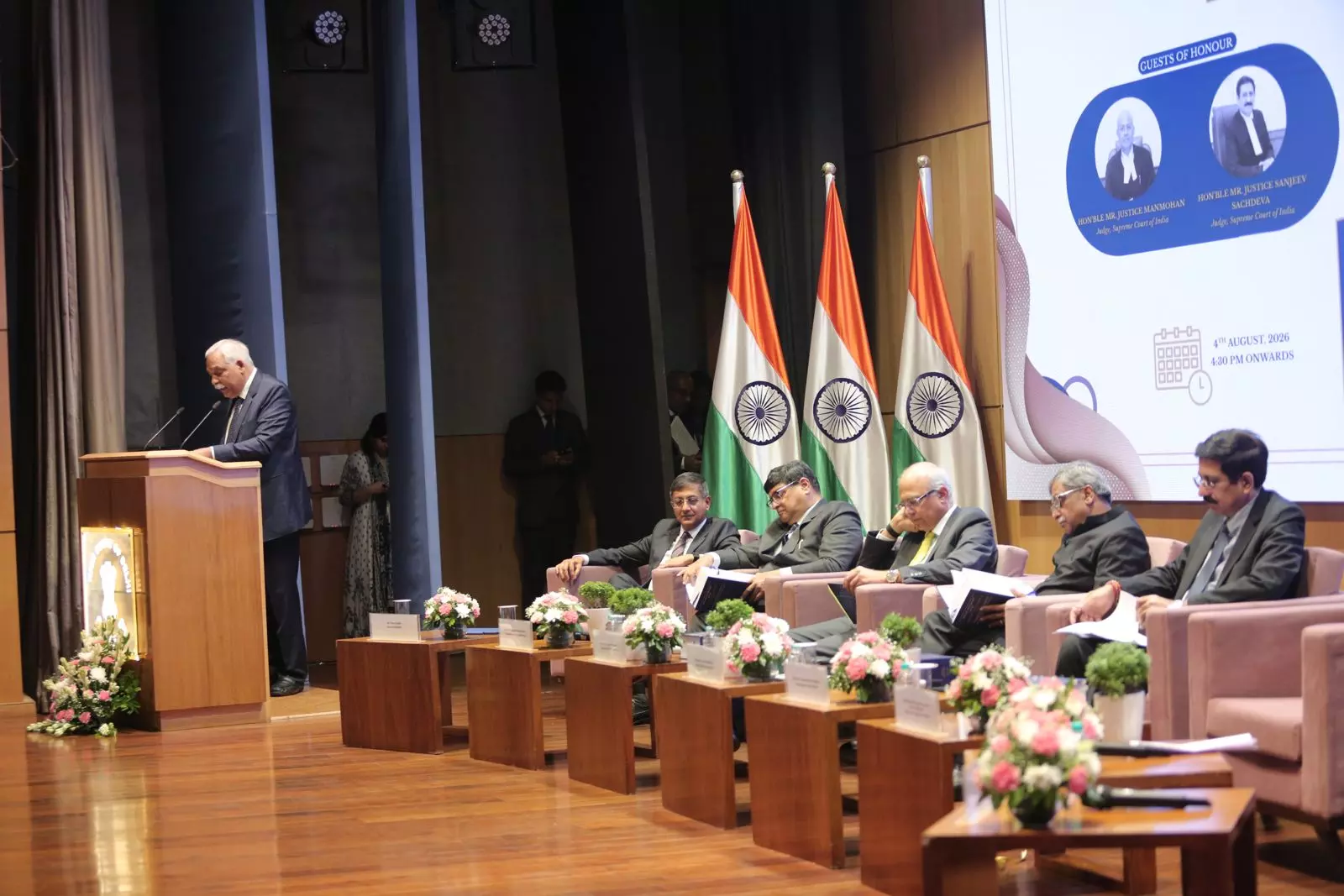
Delhi High Court Chief Justice D.K. Upadhyaya described the Insolvency and Bankruptcy Code as one of India's most significant legal and economic reforms, observing that it shifted the country's approach from prolonged recovery proceedings to a resolution-oriented framework focused on preserving enterprise value and balancing stakeholder interests. He said commentaries such as IBC Mantra would serve as valuable resources for the Bench, the Bar and insolvency professionals.
"The success of any legal framework depends not merely on its enactment, but on the quality of its interpretation, implementation and institutional coordination."
Justice (Retd.) Sudhanshu Dhulia said the Insolvency and Bankruptcy Code marked a paradigm shift in India's insolvency regime and emphasised the importance of judicial interpretation in giving life to legislation.
"A statute is merely a skeleton. As Aharon Barak said, the life and blood of a statute is given by its interpretation."
Concluding the programme, co-author Kumar Sambhav announced that the platform is now live and freely accessible, reiterating that dissemination of knowledge is as important as publication.
"IBC Mantra is now live and online, free of cost — because dissemination is as important as publication."
Free access to the commentary available at www.ibcmantra.com
Read More IBC Reports here
Tags


