


Supreme court
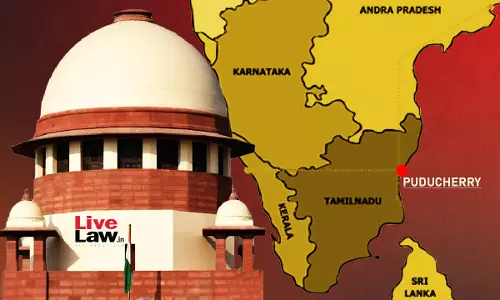
'Sorry State Of Affairs In Puducherry' : Supreme Court Directs CVC Probe Into Illegal Appointments Of Polytechnic Lecturers
While directing a probe into illegal appointments of ad hoc lecturers in Puducherry, the Supreme Court recently invoked its powers under Article 142 of the Constitution and ordered the UT government to regularize services of 18 lecturers, without any involvement of the Union Public Service Commission (UPSC).A bench of Justices Dipankar Datta and Manmohan passed the order, stating,"we also...

Article 22(1) | Informing Relatives About Arrest Isn't Compliance Of Duty To Inform Arrestee Of Grounds Of Arrest : Supreme Court
The Supreme Court today (Feb. 7) clarified that informing persons' relatives about their arrest does not exempt the police or investigating agency from their legal and constitutional obligation to inform the arrested persons themselves of the grounds for their arrest. “Communication of the grounds of arrest to the relative (wife) of the arrestee is no compliance with the mandate of...
S.498A IPC | When Family Relations Are Sought To Be Brought Under Criminal Proceedings, Courts Should Be Cautious : Supreme Court
The Supreme Court (today on January 07), while quashing criminal charges of cruelty, dowry demand and domestic violence against the present appellants, highlighted that invoking criminal laws in domestic disputes without specific allegations and credible materials may have disastrous consequences for families.“Domestic relationships, such as those between family members, are guided by...

Repealing Act Does Not Require Presidential Assent Merely Because Original Act Got President's Assent: Supreme Court
The Supreme Court observed that the new Act repealing an old Act would not require a Presidential Assent under Article 254 of the Constitution. The Court rejected the argument that the repealing act needed presidential approval simply because the original act had received it. Instead, it said that if the repealing act corrects flaws in the old law, adapting it to current needs rather...
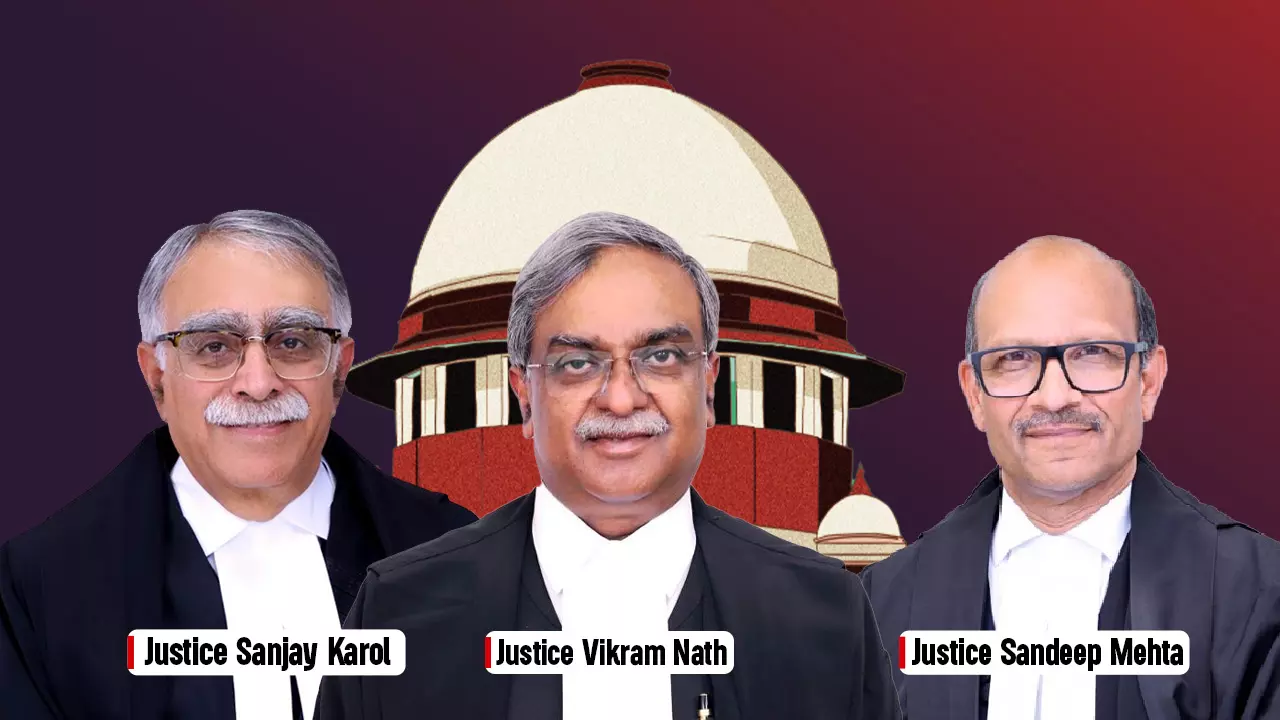
Supreme Court Criticises 'Undue Haste' Of Trial Court In Awarding Death Penalty In 2 Months Without Proper Opportunity For Defence
The Supreme Court recently, while quashing the death penalty of the present appellant/accused, observed that the reliance on the DNA report without examining scientific experts led to the failure of justice, thereby, vitiating the trial. The Bench of Justices Vikram Nath, Sanjay Karol, and Sandeep Mehta pointed out that the trial was completed in less than two months without giving the accused...

Supreme Court Upholds Karnataka Law Which Delegates Power Of Issuing Transport Permits To STA Secretary
The Supreme Court, in a key ruling regarding private motor vehicle operators in Karnataka, upheld the constitutionality of the Karnataka Motor Vehicles Taxation and Certain Other Law (Amendment) Act, 2003 (“2003 Act”) granting the power to the Secretary of the State Transport Authority(STA) to issue transport permits within the state.The Court also upheld that the power of the STA to...
Arrest Illegal If Reasons Not Informed; When Art 22(1) Is Violated, Court Must Grant Bail Despite Statutory Restrictions : Supreme Court
Noting that informing an arrested individual of the grounds for their arrest is a fundamental right under Article 22(1) of the Constitution, the Supreme Court today (February 7) stressed that this information must be conveyed clearly and effectively. The Court also emphasized the magistrate's duty to ensure compliance with Article 22(1) during remand, noting that any violation could warrant...
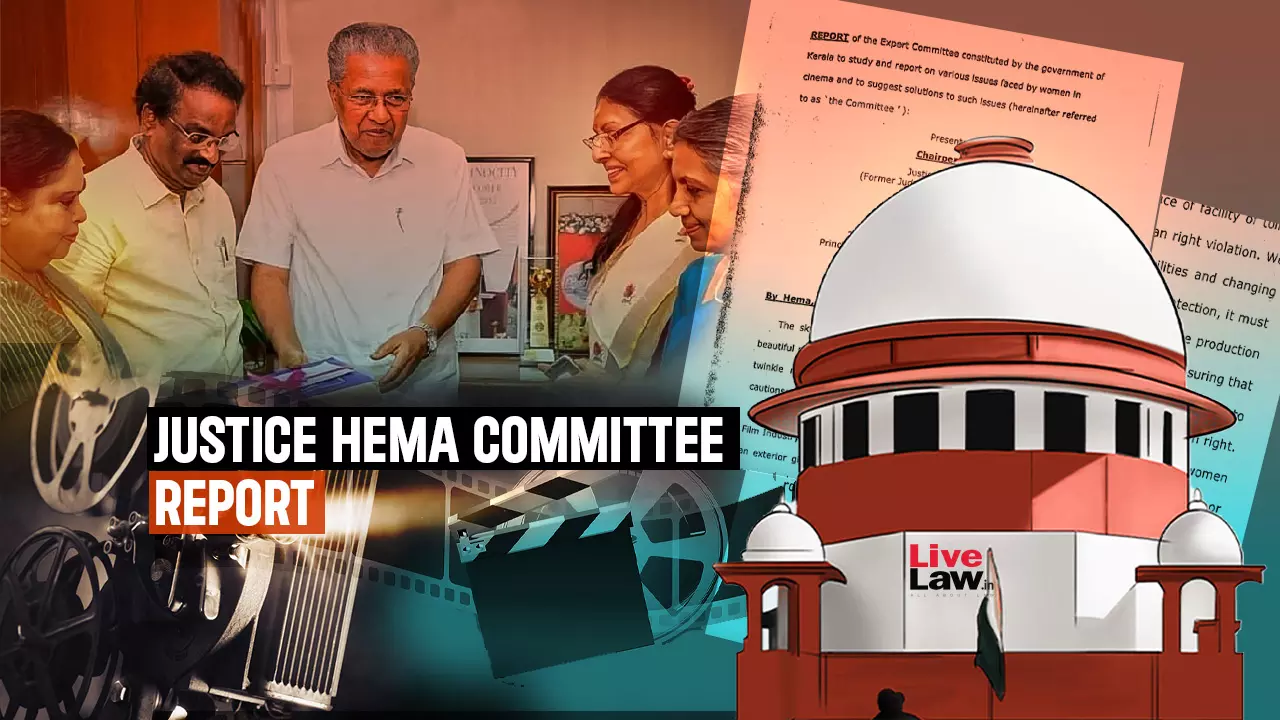
Supreme Court Refuses To Stop Police Investigation On Statements Before Justice Hema Committee Regarding Women's Exploitation In Malayalam Cinema
The Supreme Court on Friday (February 7) refused to interfere with the directions of the Kerala High Court to register FIRs based on the depositions given by witnesses/victims before the Justice Hema Committee regarding the sexual exploitation of women in the Malayalam cinema field.A bench comprising Justice Vikram Nath, Justice Sanjay Karol and Justice Sandeep Mehta observed that once...
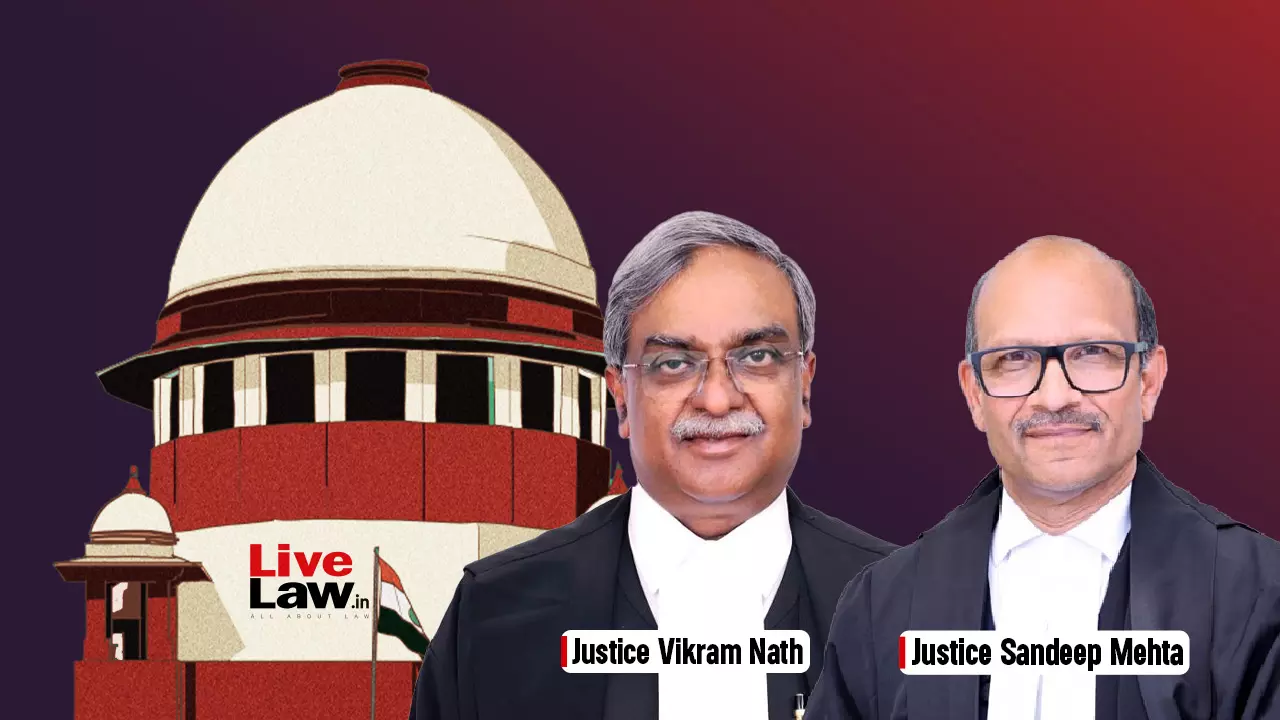
Many Litigants Socio-Economically Backward, Shouldn't Suffer Due To Advocate's Fault : Supreme Court On Approach In Delay Condonation
The Supreme Court recently observed that though courts have to be cautious while condoning delays of long duration, in cases where the delay can be attributed to the advocate, balancing of scales of justice becomes imperative. It highlighted that the socio-economic background of litigants who approach the courts for justice should be kept in mind.“We are aware of the caution that needs to...
Further Investigation Can Be Directed Even After Filing Of Chargesheet & Commencement Of Trial : Supreme Court
The Supreme Court recently reiterated that further investigation can be directed even after the chargesheet has been filed and the trial has commenced. Taking support of Hasanbhai Valibhai Qureshi v. State of Gujarat and Others., (2004) 5 SCC 347, the Court highlighted that the prime consideration for further investigation is to arrive at the truth and do substantial justice.However,...
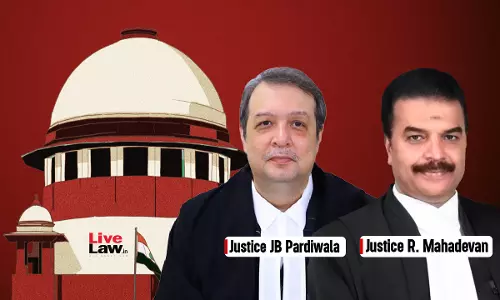
If A Intends To Kill B But Mistakenly Kills C, Intention To Kill C Is Attributed To A : Supreme Court Explains 'Transmigration Of Motive'
The Supreme Court recently observed that Section 301 of the IPC (Culpable homicide by causing the death of a person other than the person whose death was intended) reflects the doctrine of transfer of malice or the transmigration of motive. Explaining this provision, the Court said that culpable homicide may be committed even if the offender causes the death of a person he did not...
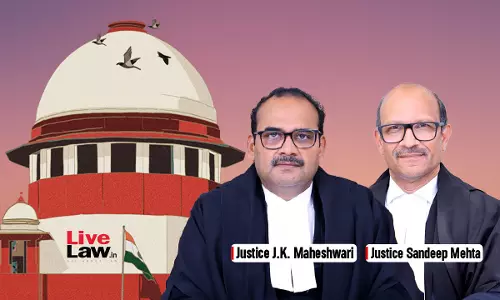
Acquittal In Criminal Case Doesn't Bar Departmental Proceedings Against Public Servant : Supreme Court
The Supreme Court has recently noted that even if a public servant is acquitted in a corruption case due to a lack of evidence meeting the "beyond a reasonable doubt" standard, they may still face a departmental inquiry. In criminal proceedings, guilt must be proven beyond a reasonable doubt, while departmental inquiries require only a preponderance of probabilities. The Court observed that...