


Supreme court
No Pension For Past Service If Central Govt Employee Resigns To Join Another Govt Post Without Permission: Supreme Court
The Supreme Court recently ruled that unauthorized resignation from government service for another government job will result in the forfeiture of past service and pension benefits. The ruling came in the case of a security officer(respondent), who had resigned from the Central Industrial Security Force (CISF) in 1998 to join Hindustan Aeronautics Limited (HAL). It is important to note that...
Supreme Court Expresses Shock At HC Order Reducing Maintenance For Wife As Merely Rs.1,000 Per Month
Recently, a Division Bench of the Supreme Court, while hearing an appeal, expressed shock at the impugned judgment of the Jharkhand High Court, whereby the maintenance amount of Rs. 5,000, awarded by the Trial Court, was reduced to Rs. 1,000, per month. The Court further opined that it finds no justification for reducing the amount to such an extremely low limit.“It is shocking that...

NBDA Not Formally Registered With Central Govt Under Cable TV Rules, NBF Has Official Recognition : I&B Ministry Tells Supreme Court
The Ministry of Information and Broadcasting through its recent affidavit has told the Supreme Court that the NBDA (News Broadcasters & Digital Association) is trying to create monopolistic rights in the complaint redressal mechanism for news broadcasters, free from statutory accountability and action.The affidavit has been filed by the Centre in a plea filed by the NBDA (formerly...
Eyewitness Account Can't Be Discarded Merely Because Of Inconsistencies With Medical Evidence: Supreme Court
The Supreme Court recently reaffirmed the paramount importance of eyewitness accounts in criminal trials. The Court relied on Darbara Singh v. State of Punjab (2012) 10 SCC 476 and Anvaruddin v. Shakoor 1990 (3) SCC 266 to emphasize the importance of ocular evidence over the opinion of medical experts. The judgment underlined that eyewitness testimony, even if not detailed in every aspect,...
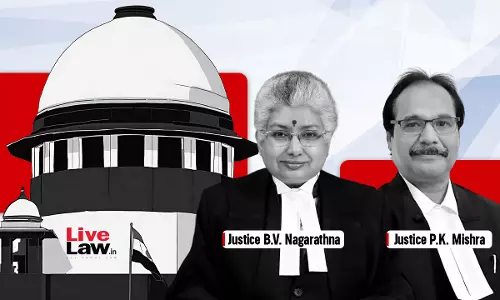
Dividend Income From Indian Entity's Establishment In Oman Having ‘Permanent Establishment’ Status Under DTAA Not Taxable In India: Supreme Court
The Supreme Court has held that if an Indian Entity’s Establishment is operating in Oman and has a ‘Permanent Establishment’ status under Double Taxation Avoidance Agreement (“DTAA”), then the dividend income received by the Indian Entity from such Establishment would not be taxable under Indian Taxation laws.As per the laws in Oman, the dividend distributed by all companies,...
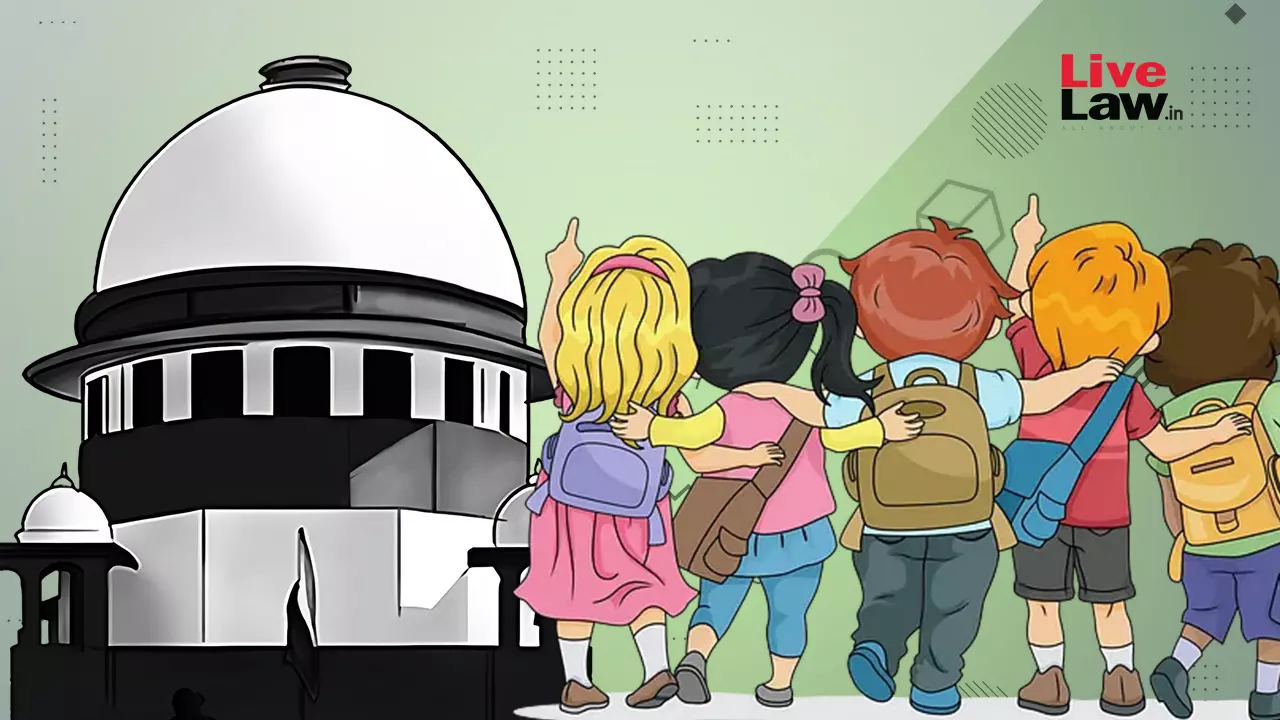
Plea In Supreme Court Seeks Law To Ban Screening Procedure For Nursery School Admissions In Delhi
A civil rights group ‘Social Jurist’, has approached the Supreme Court against the order of the Delhi High Court rejecting its Public Interest Litigation (PIL) filed to expedite the finalization of Delhi School Education (Amendment) Bill, 2015. The bill prescribes banning of a screening procedure in the admission of children at the pre-primary level.The plea contends that even though bill...
Order V Rule 2 Of Civil Procedure Code Requires Service Of Summons With Plaint: Supreme Court
The Supreme recently said that service contemplated under Order V Rule 2 of the Code of Civil Procedure, 1908, implies service of summons along with the copy of the plaint.A bench of Justice Aniruddha Bose and Justice Bela Trivedi, was hearing a challenge against an order of the original side of the Delhi High Court, Commercial Division. The Court was considering the starting day...
Working For Long Period On Contractual Basis Creates No Vested Right For Regularisation: Supreme Court
The Supreme Court recently held that by working for a long period of time on contractual basis, no vested legal right is acquired for regularisation in service. The Apex Court was considering the appeal of persons appointed in Shri Guru Govind Singh Institute of Engineering and Technology on contractual basis since 2011. They had sought regularisation in service in their respective...
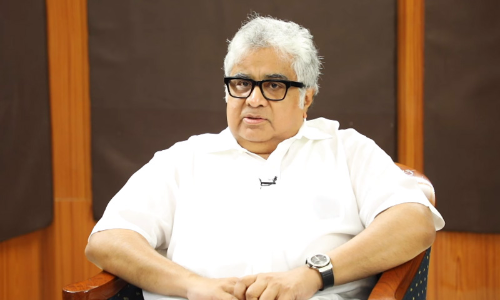
'ED Loves Spreading Itself Out & Going Beyond Predicate Offence' : Harish Salve To Supreme Court Seeking Relief To Delhi Liquor Scam Accused
The Enforcement Directorate "loves spreading itself out and going beyond the predicate offence", said Senior Advocate Harish Salve, while arguing for extension of interim bail for Pernod Ricard India Regional Manager Benoy Babu in the money laundering case in relation to the Delhi's liquor policy scam. “For whatever reason the man is out today, the Court has granted him some reprieve, 10...
Supreme Court Weekly Roundup: September 11 To September 17, 2023
Judgments/OrdersIt Is Duty Of Police To Produce Imprisoned Accused Before Court, Accused Can't Be Blamed For Police's Negligence: Supreme CourtCase Title: Satendra Babu vs. State of Uttar PradeshCitation : 2023 LiveLaw (SC) 766The Supreme Court recently stated that when accused persons are in prison, it is the duty of the police to produce them before the trial court. If the police fail...
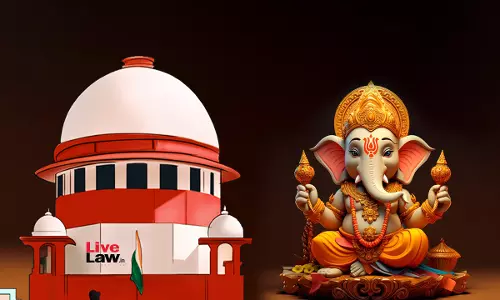
Supreme Court Refuses To Interfere With Madras HC Order Prohibiting Sale Of Ganesh Idols With Plaster Of Paris
The Supreme Court on Monday (September 18) refused to interfere with an order passed by the Madras High Court which disallowed the sale of Ganesh idols containing plaster of paris in Tamil Nadu.The bench comprising CJI DY Chandrachud, Justice JB Pardiwala, and Justice Manoj Misra dismissed a petition challenging a division bench decision of the Madras High Court which stayed an order of a...
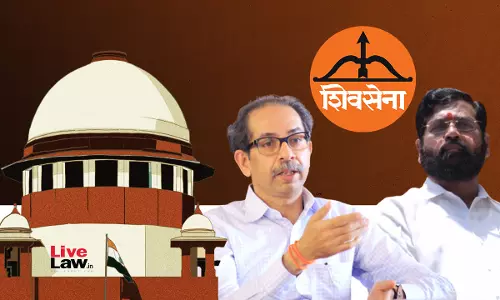
'Nothing Has Happened' : Supreme Court Flays Maharashtra Speaker For Delaying Decision On Disqualification Petitions In Shiv Sena Matter
The Supreme Court on Monday (September 18) expressed disapproval of the delay by the Speaker of the Maharashtra Legislative Assembly in deciding the disqualification petitions arising out of the rift within the Shiv Sena party between the Uddhav Thackeray and Eknath Shinde groups.The Court said that the Speaker cannot delay the proceedings under the Tenth Schedule of the Constitution...