



- Home
- /
- Top Stories
- /
- WB Assembly Passes 'Public Safety...
WB Assembly Passes 'Public Safety Act' Providing For Detention Up To One Year, Property Seizure For 'Anti-Social Activities'
Srinjoy Das
1 July 2026 5:25 PM IST
The West Bengal Assembly on Monday passed the West Bengal Public Safety and Control of Anti-Social Activities Bill, 2026, a legislation that significantly expands the State's powers to deal with organised crime by providing for preventive detention of alleged "goondas" for up to one year, externment orders, and seizure and confiscation of properties linked to anti-social activities.The...
This is a premium content
Available exclusively to
Our subscribers
Subscribe Premium 
INR 1099+GST
Your support helps us to bring you more content at
an affordable subscription scheme !!!
All payment options available
The West Bengal Assembly on Monday passed the West Bengal Public Safety and Control of Anti-Social Activities Bill, 2026, a legislation that significantly expands the State's powers to deal with organised crime by providing for preventive detention of alleged "goondas" for up to one year, externment orders, and seizure and confiscation of properties linked to anti-social activities.
The Bill, popularly referred to as the "Goonda Bill", was passed with 176 members voting in favour and 41 against, with the government maintaining that existing criminal laws have proved inadequate to tackle organised anti-social elements.
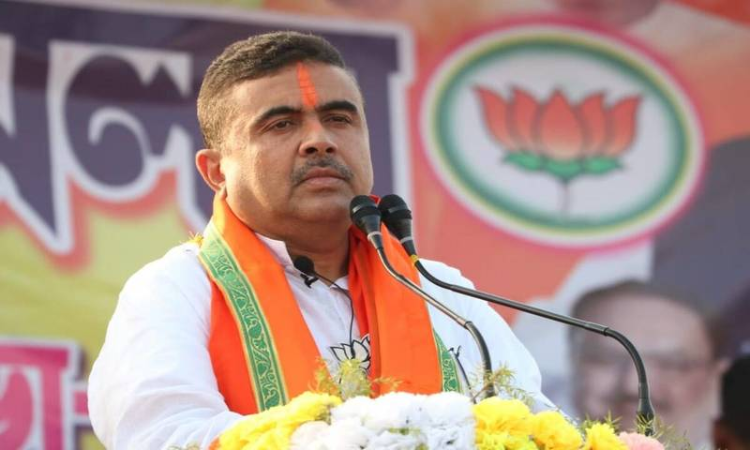
Introducing and defending the legislation in the Assembly, Chief Minister Suvendu Adhikari asserted that the law was intended to curb organised crime, prevent riots and violence, and ensure that those responsible for destruction of public and private property are made accountable. He assured the House that the law would not be misused for political purposes.
Preventive detention for up to one year
One of the most significant features of the legislation is its preventive detention framework. The Bill empowers the State Government to detain a person for up to twelve months if it is satisfied that such detention is necessary to prevent him or her from engaging in anti-social activities.
Detention may be ordered on the basis of a report submitted by a police officer of the rank of Superintendent of Police or above. The State Government may also authorise District Magistrates and Commissioners of Police to exercise detention powers in notified areas, subject to subsequent approval by the Government.
The Bill also establishes an Advisory Board, headed by a serving or former High Court Judge along with two members qualified to be High Court Judges, to review detention orders within the prescribed period.
Expanded definition of "goonda"
The legislation adopts an expansive definition of "goonda."
It covers habitual offenders, persons who attempt, finance, facilitate or promote anti-social activities, leaders or members of criminal gangs or syndicates, as well as persons charge-sheeted for organised crime under the Bharatiya Nyaya Sanhita.
The Bill also brings within its ambit offences under statutes such as the Arms Act, the Narcotic Drugs and Psychotropic Substances Act, the Explosive Substances Act and the Immoral Traffic (Prevention) Act. Illegal mining, unauthorised quarrying, sand extraction, forest offences and wildlife-related crimes have also been included where they affect public safety or order.
Externment and property attachment
Apart from preventive detention, the legislation empowers authorities to issue externment orders directing a person to leave a specified area, district or districts and prohibiting re-entry for up to one year.
Authorities are also empowered to initiate proceedings against persons absconding from detention orders, seek proclamations from courts, attach properties, and search, seize and confiscate assets allegedly connected with anti-social activities.
The Bill further provides that offences under the proposed law will be cognisable and non-bailable notwithstanding the provisions of the Bharatiya Nagarik Suraksha Sanhita, 2023.
According to the Statement of Objects and Reasons, the legislation has been introduced in view of the growing threat posed by organised anti-social elements and because existing legal mechanisms have been found inadequate to effectively prevent such activities.
During the Assembly debate, Chief Minister Adhikari stated that the legislation was "not merely about sending people to jail" but also about ensuring recovery of compensation and confiscation of assets of those responsible for violence and destruction of property.
The legislation has attracted criticism from opposition parties and civil liberties groups, who contend that the preventive detention provisions confer sweeping powers upon the executive and may be susceptible to misuse. Critics have also questioned the broad definition of "goonda" and provisions permitting detention based on anticipated future conduct rather than criminal conviction.

Srinjoy Das
Srinjoy Das is a Principal Correspondent with LiveLaw, covering the Calcutta High Court

