




Arbitration

Business Law Daily Round-Up: December 18, 2025
TAX Centre Notifies Reallocation Of Territorial Jurisdiction Of DRTs In West Bengal Under RDB ActService Tax | Windmill Installation, Commissioning Services Construable As 'Input Service', Credit Admissible: Gujarat High CourtCustoms Act | No Time Bar For Shipping Bill Conversion Under Section 149: CESTAT MumbaiIPRCommercial Courts Act Bars Intra-Court Appeals In Patent Disputes: Madras...
Bombay High Court Upholds Validity Of ODR Clause, Refuses Substitution Of Arbitrator Appointed Through ODR Platform
The Bombay High Court has upheld the validity of an Online Dispute Resolution (“ODR”) clause as well as the arbitrator appointment process conducted through an ODR platform. The Petitioner i.e. Amit Chaurasia (“Chaurasia”) filed an application for substitution of arbitrator. The Bench of Justice Somasekhar Sundaresan reviewed the contract between the parties and observed that...

Business Law Daily Round-Up: December 17, 2025
TAX Commission Earned On Sale Of Agricultural Produce Attracts Service Tax Under 'Business Auxiliary Service': CESTAT AhmedabadService Tax | Extended Limitation Cannot Be Invoked Without Mens Rea, Deliberate Intent To Evade Duty To Be Proven: CESTAT ChandigarhNon-Availability Of GSTAT Cannot Be Used To Bypass Mandatory Pre-Deposit U/S 112(8) CGST Act: Orissa High CourtGST | Cannot Seek...
Issues About Party's Capacity To Invoke Arbitration And Maintainability Issues Fall Within Tribunal's Domain : Supreme Court
The Supreme Court on Wednesday (December 17) reiterated that the questions related to whether an individual is a veritable party to an arbitration agreement, eligible to invoke the arbitration clause, shall be referred for the Arbitral Tribunal's consideration. A Bench comprising Justice P.S. Narasimha and Justice Atul S. Chandurkar declined to interfere with the Telangana High Court's...

Business Law Daily Round-Up: December 16, 2025
TAX Centre Projects ₹47,700 Crore Revenue Loss Amid GST Rate-RationalisationCustoms Act | Penalty U/S 112 Cannot be Imposed Solely On Co-Accused's Statement Without Corroborative Evidence: CESTAT KolkataDelhi High Court Directs To Re-Assess Bills Of Entry, Allows Infra Cess Exemption On E-Golf Carts Owing To Technical GlitchDelhi High Court Upholds GST Adjudication Despite SCN Being Signed...
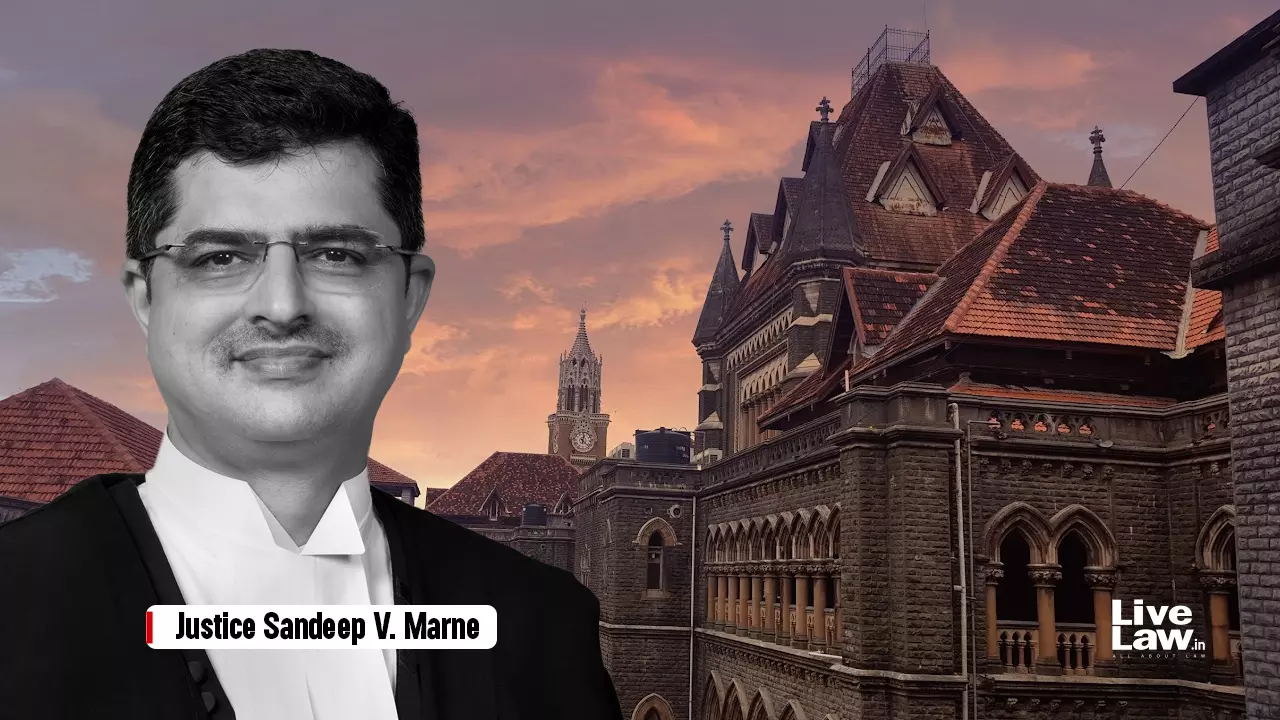
Extra Profit Received By Broker Due To Technical Glitch Not Unjust Enrichment: Bombay High Court Upholds Award In Favour Of Kotak Securities
The Bombay High Court has held that profits earned by a client by utilising an increased trading margin erroneously reflected due to a technical glitch in the broker's system cannot be treated as “unjust enrichment”. The Court observed that mere availability of margin created an opportunity to trade, but the profits ultimately arose from the client's skill and risk-taking, and...

Business Law Daily Round-Up: December 15, 2025
TAX Delhi High Court Quashes ₹45.36 Crore GST Demand Against NBCC After Finance Ministry ClarificationGST | CBIC Circulars Cannot Shield Dubious Transactions; Must Operate Within Statutory Framework: Calcutta High CourtCGST Act | Gujarat High Court Upholds Power To Confiscate Goods During Transit For Tax Evasion, Clarifies Scope Of S.129 & 130Bank Not 'Assessee In Default' For Not...
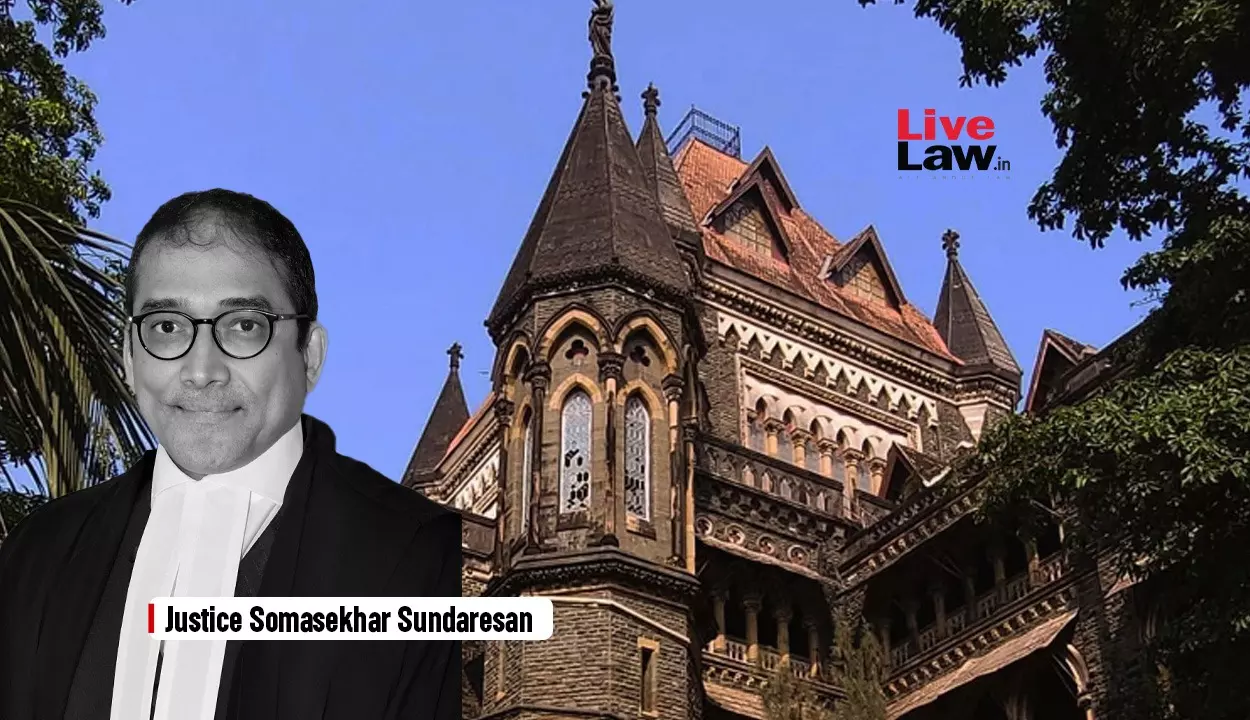
Bombay High Court Upholds Arbitral Award Granting Specific Performance Of Development Agreement Between BTRA & Nilkanth Enterprise
The Bombay High Court recently dismissed a petition under section 34 of the Arbitration and Conciliation Act, 1996 (Arbitration Act) upholding a 2017 arbitral award directing specific performance of a long negotiated development transaction concerning 57,000 sq. m. of land in Ghatkopar (West), Mumbai. Justice Somasekhar Sundaresan held that “there is nothing on record to show...

Business Law Daily Round-Up: December 14, 2025
TAX Third-Country Invoicing Inapplicable For Electronic/Non-Electronic Toy Parts From China For Preferential Customs Duty Benefit: Mumbai AARIncome Tax Act | Gross Receipts Cannot Be Taxed As Income Without Deducting Expenses: Bombay High CourtArbitrationS.11 Arbitration Plea Not Maintainable Without Valid S.21 Notice; Email Suggesting Arbitrator Appointment Insufficient: Kerala High...
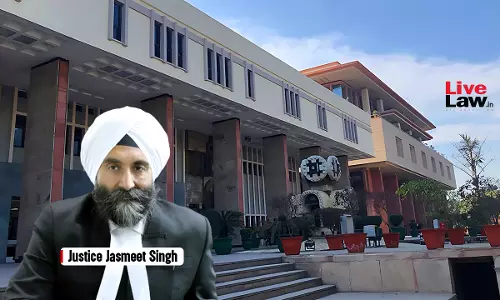
Withdrawal Of Consent Of Affiliation By Jamia Hamdard Violated Orders, Frustrated Arbitral Process: Delhi High Court Restores 150 MBBS Seats
The Delhi High Court on December 8th, 2025 held that the withdrawal of the Consent of Affiliation (CoA) by Jamia Hamdard Deemed University (JHDU), necessary for the 150 MMBS seats in the Hamdard Institute of Medical Sciences & Research (HIMSR) violated the binding arbitral and court orders, “frustrating” the arbitral process. The Bench comprising of Justice Jasmeet Singh, holding...
Review Petition Can't Be Entertained Against Order Refusing To Appoint Arbitrator: Kerala High Court
The Kerala High Court held that review petitions challenging orders passed under section 11 of the Arbitration and Conciliation Act, 1996 (Arbitration Act) are not maintainable, reiterating that the arbitration act is a self contained code and does not permit substantive review unless expressly provided. Justice S. Manu dismissed a review petition filed against an order passed by...
S.11 Arbitration Plea Not Maintainable Without Valid S.21 Notice; Email Suggesting Arbitrator Appointment Insufficient: Kerala High Court
The Kerala High Court dismissed an arbitration request filed under section 11(6) of the Arbitration and Conciliation Act, 1996 (Arbitration Act) holding that the applicants failed to send a valid notice under section 21 which is a pre-condition for invoking jurisdiction of the court for appointment of an arbitrator. Justice S. Manu held that email relied upon by the applicants...