


Arbitration

Administrative Delays Insufficient To Justify 950-Day Delay In Section 34 Appeal Under Arbitration And Conciliation Act, 1996: Madras High Court
The Madras High Court bench of Justice Sunder Mohan has held that the administrative reason alone cannot be a reason for condoning the delay of 950 days in filing an appeal under Section 34 of the Arbitration and Conciliation Act, 1996. The bench held that delays attributable to administrative factors, such as changes in project management or internal procedural adjustments, do...
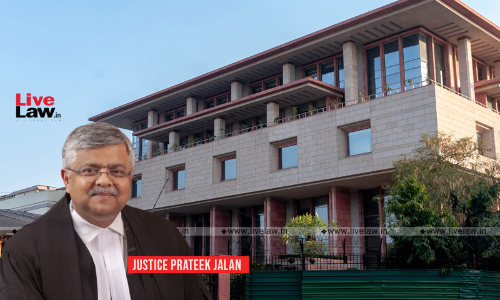
Administrative Lethargy Of Government Machinery Not Valid Ground For Delay Condonation In Arbitration Appeals: Delhi High Court
The Delhi High Court bench of Justice Prateek Jalan has held that nature of administrative lethargy of the Government machinery is not a satisfactory explanation for condonation of delay in submitting an appeal under Section 37(2)(b) of the Arbitration and Conciliation Act, 1996. Brief Facts: Union of India filed an application before the High Court for condonation of...

Interim Measures Under Section 9 Of Arbitration Act Justified If Applicant's Rights Are Not Protected From Third Parties: Calcutta High Court
The Calcutta High Court bench of Justice Sabyasachi Bhattacharyya has held that granting interim measures under Section 9 of the Arbitration and Conciliation Act, 1996, is justified if the Applicant's rights are not protected from third parties, as this could render the arbitral reference irretrievably infructuous. Brief Facts: Bengal Shelter Housing Development Limited...

Personal Hearings Not Always Necessary For Arbitrator Appointment If Pleadings Are Complete: Bombay High Court
The Bombay High Court bench of Justice Somasekhar Sundaresan has held that while personal hearings for all parties can be beneficial in proceedings to enforce the appointment of an arbitrator under Section 11(6), it is not always necessary. The bench held that when an arbitration agreement is clearly established in the pleadings and the dispute is not evidently stale or time-barred,...
No Prior Request Under Section 21 Needed For Section 11 Arbitration Applications: Calcutta High Court
The Calcutta High Court bench of Justice Sabyasachi Bhattacharyya has held that an application under Section 11(5) of the Arbitration and Conciliation Act, 1996, does not require a prior request for reference to arbitration under Section 21. The bench held that invalidity of an arbitral proceeding due to the absence of prior notice under Section 21 and a unilateral appointment of...
Correspondence Stating Non-Arbitrability Of Dispute Due To Negotiable Instruments Act Proceedings Implies Recognition Of Arbitration Clause: Delhi High Court
The Delhi High Court bench of Justice Prateek Jalan has held that correspondence from a party stating that ongoing proceedings under the Negotiable Instruments Act, 1881 barred initiation of arbitration implicitly acknowledged the existence of the arbitration clause. Brief Facts: The matter pertained to an application filed under Section 11 of the Arbitration and Conciliation...

Applicants Seeking Pandemic Relaxation For Limitation Under Section 34 Petition Cannot Simultaneously Claim IBC Moratorium Protection: Calcutta High Court
The Calcutta High Court bench of Justice Sabyasachi Bhattacharyya has held that if applicant of petition under Section 34 of the Arbitration Act seeks to benefit from the pandemic relaxation, it cannot simultaneously claim protection under the moratorium of Section 14 of the IBC. The bench held that to avail the pandemic relaxation, the applicant need to show that the pandemic...
No Denial Of Opportunity When Arbitrator Allowed Claimants To Submit Additional Affidavit Revealed In Respondent's Response-Affidavit: Delhi High Court
The Delhi High Court bench of Justice Manoj Jain has held that there is no denial of opportunity when the arbitrator permitted the claimants to submit an additional affidavit by way of examination-in-chief which came to light for the first time in the response-affidavit filed by the Respondent. Brief Facts: DD Auto Pvt Ltd (Petitioner) was one of the co-claimants in an...
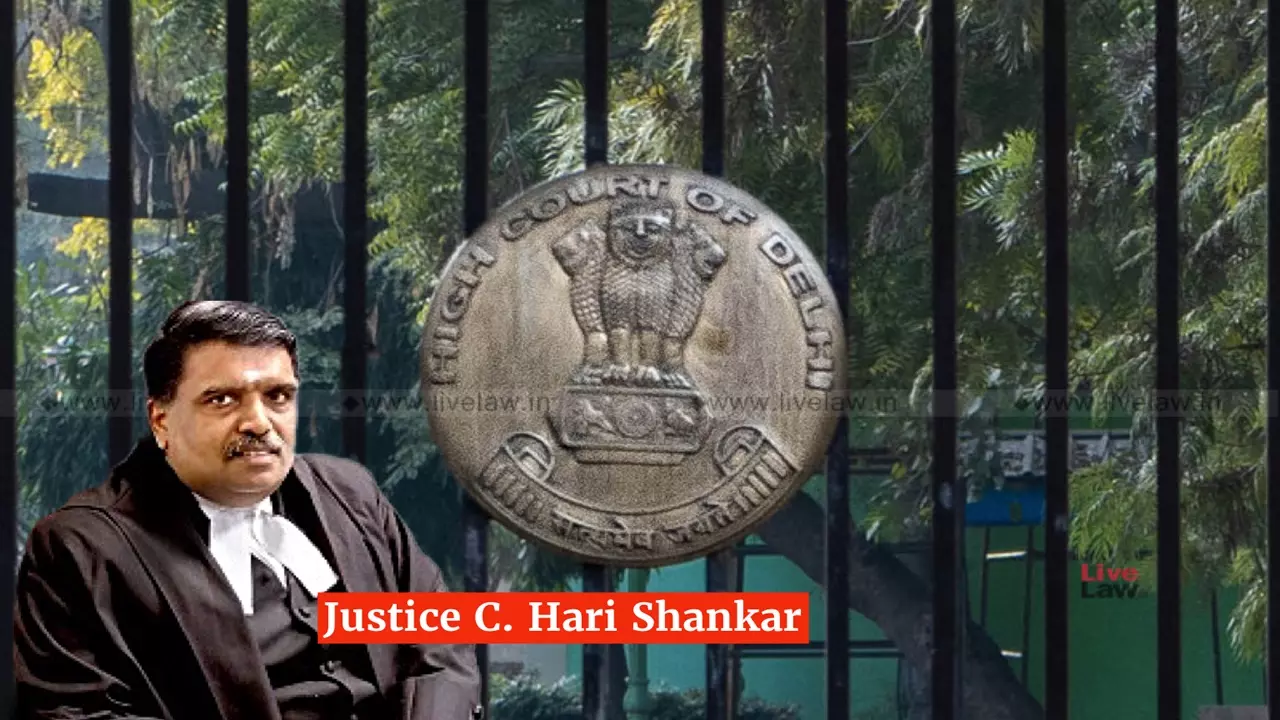
Legality Of Arbitrator's Appointment Can't Be Challenged In Petitions For Extension Of Arbitrator's Mandate: Delhi High Court
The Delhi High Court bench of Justice C. Hari Shankar has held that objections related to the legality of an arbitrator's appointment cannot be raised in a petition seeking an extension of the arbitrator's mandate under Section 29A(4) of the Arbitration and Conciliation Act, 1996. Brief Facts: Apex Buildsys Ltd. (Petitioner) filed a petition under Section 29A(4) of...
Arbitration Clause Invalid If Contractor Cannot Select Arbitrator From Railway's Panel: Delhi High Court
The Delhi High Court bench of Justice C. Hari Shankar has held that an arbitration clause is invalid if it does not allow the contractor to select an arbitrator from a panel provided by the Railway. The High Court noted that there was a significant distinction between the clause and the arbitration clause previously considered by the Supreme Court in Central Organization for...
Section 34 Applications Challenging Arbitral Awards Subject To ₹120 Court Fee, Higher Fees Under Entry No. 1(10) Not Applicable: Calcutta High Court
The Calcutta High Court bench of Justice Sabyasachi Bhattacharyya has held that the principal application under Section 34 of the Arbitration and Conciliation Act, 1996, challenging an arbitral award, falls under Entry No. 2(c) of Schedule II of the Court Fees Act. This entry is the residuary provision that prescribes a court fee of Rs. 120 for original applications before the...
State Not Part To Agreement Can't File Section 16 Application: Madhya Pradesh High Court
The Madhya Pradesh High Court bench of Chief Justice Sanjeev Sachdeva and Justice Rajendra Kumar Vani has held that an arbitration agreement entered into between the Ministry of Road Transport and Highways, Government of India, and a private company does not involve or implicate the State Government in any legal capacity. The bench held that such an agreement is exclusively between...