


Articles

Life Imprisonment Without The Possibility Of Release – The Many Constitutional Sins Of Sriharan
The Supreme Court validating sentences of life imprisonment without the possibility of release by excluding remission raise questions about both the desirability of such a punishment and also about the serious disruption in the separation of powers.The Indian Supreme Court has established in several judgments that a sentence of life imprisonment means imprisonment till the end of life subject to statutory powers of remission under Section 432 of the Code of Criminal Procedure, and constitutional...

Navtej Johar v Union of India – Key Highlights
Much has already been written and said about the recent landmark decision of the Supreme Court in Navtej Singh Johar v. Union of India, where a bench of five judges of the Supreme Court partially struck down Section 377 of the Indian Penal Code (IPC), which made “carnal intercourse against the order of nature” a criminal offence. Four separate judgments were delivered by the court, by Chief Justice Misra (supported by Khanwilkar J), and Justices Nariman, Chandrachud and Malhotra. Though the...
The Beggary Judgment: Undoing The Injustice
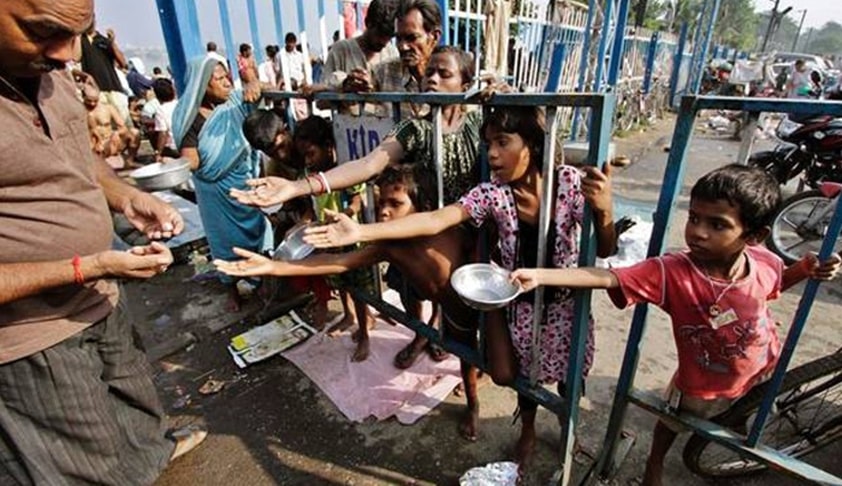
The recent Delhi High Court, in its judgment of Harsh Mander v. Union of India and Karnika Sawhney v. Union of India recently declared provisions of the law that approves action against beggars as “unconstitutional”. This historical judgment has removed around 25 Sections of the Bombay Prevention of Begging Act, 1959, which criminalizes any form of begging. The Hon’ble judges have very clearly pointed out that begging is not any form of a disease and this mindset has led to stigmatisation and...
Section 27 Recovery- Some Myths And Misconceptions
The expression “Section 27 Recovery” itself is a misnomer. There are other instances of misapplication and mistaken assimilation of the underlying principles behind this important topic in the criminal justice system.Section 27 of the Indian Evidence Act, 1872 (the “Evidence Act” for short) reads as follows:-“How much of information received from accused may be provedPROVIDED that when any fact is deposed to as discovered in consequence of information received from a person accused of any...

Disaster Management – Whether Separate Relief Fund And Tribunal Necessary?
Flood is over in Kerala. But the blame game and mudslinging continue unabatedly as its aftermath. The devastation caused by the recent unprecedented deluge made Keralites stoic to confront natural calamities with a resolute mind. Now the deliberations are on the post-disaster management and the dam safety monitoring. Thanks to the munificence of Keralites strewn over the world, remarkable fund flow in the Chief Minister’s Distress Relief Fund makes the administration relieved to some extent,...

Will The Data Protection Regulation Open New Avenues For Cyber Criminals?
The proposed regulations will make information more valuable to cyber criminals. Data hostage takings and ransom demands will no doubt be part of the cybercriminal business plan for profits Once we have recognized “Privacy” as a fundamental right, it becomes imperative to have legislation for data protection. The Srikrishna Committee’s proposed draft bill has adopted various principles like right to access and correction, right to portability, and right to be forgotten. It is clear that the...
Tale Of Three Judgments And Dethronement Of Sec. 377 IPC: When SC Called Its Own Views ‘Perverse’ And ‘Fallacious’
King Dasaratha wanted his son Rama to be made his successor. When the stage was all set for the coronation, Kaikeyi, who had an upper hand over the king, ambushed all the plans and made Rama go to the forest. He lived there for a long time and, in between, lost his wife. Finally, he defeated Ravana, and returned to his kingdom and reigned over it. Dasaratha’s wish, though suffered a temporary setback, was fulfilled in the end. This is the tale of Ramayana.The same thing happened on Thursday when...
Oscar Wilde's Moment Of Redemption By SC In Sec.377 Judgment
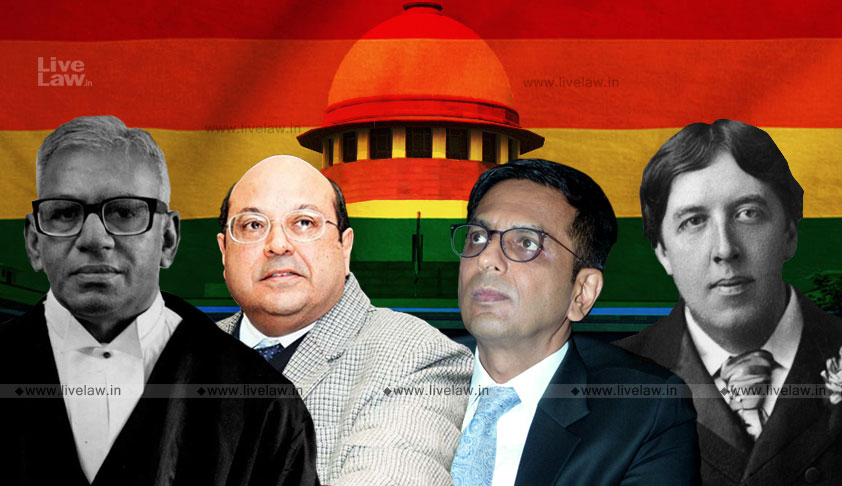
The literary genius was labelled a ‘sex pervert’ by a 1976 SC judgment.Oscar Wilde, famous English writer and champion of individualism, was unfortunately branded a ‘sex pervert’ by the Supreme Court in a 1976 judgment. It was the judgment in R K Agarwal v State of Orissa AIR 1976 SC 1774, where the Supreme Court was dealing with an appeal filed by a 70 year old man convicted under Section 376 IPC for rape of a 6 year old girl. While rejecting his prayer for reduction of sentence in...
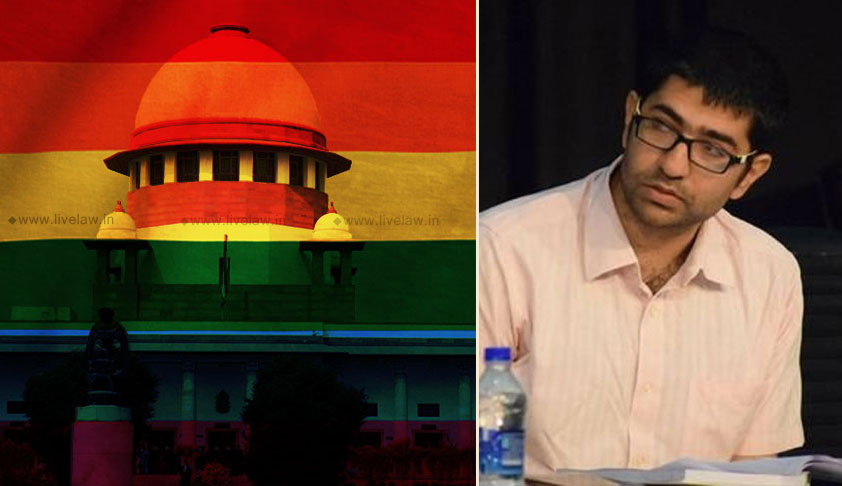
“Civilization Has Been Brutal”: Navtej Johar, Section 377, And The Supreme Court’s Moment Of Atonement
Last year, in Justice K.S. Puttaswamy v Union of India, the Supreme Court did a remarkable thing. While declaring that privacy was a fundamental right under the Indian Constitution, five out of nine judges also noted that the Court’s 2013 judgment in Suresh Kumar Koushal v Naz Foundation (an entirely unconnected proceeding) had been wrongly decided. In Koushal, the constitutionality of Section 377 of the Indian Penal Code – that criminalised “carnal intercourse against the order of nature” – had...
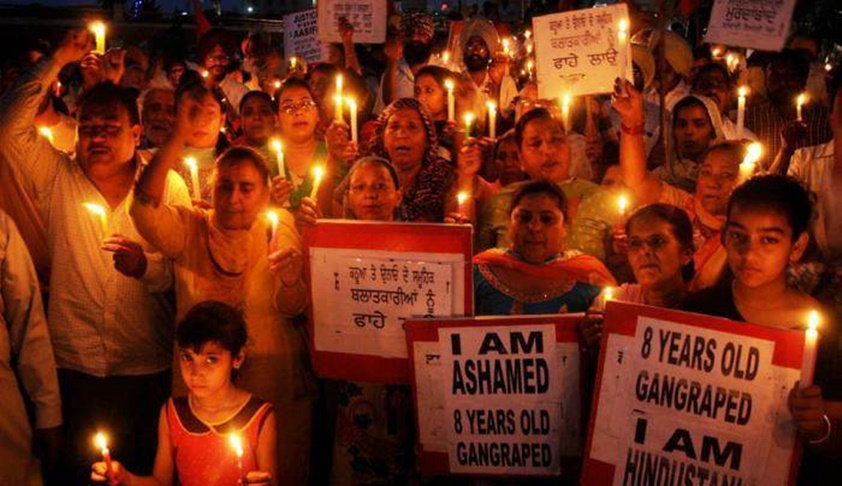
India: A Country Of Rising Numbers And Falling Standards
Rant of a concerned woman and citizen of this country!Well, apparently “women are being raped left, right and centre” is what the Supreme Court was shocked to find out recently while hearing the Muzzafarpur shelter home case. During the hearing of this particular case, the Apex Court ordered a blanket ban on the publication of the images of minor survivors of the sexual offences by the electronic, print and social media.The Supreme Court was further stunned to find out that an appalling number...

Magisterial Lapses : When Remand Requests Are Blindly Rubber Stamped
Two recent cases of glaring magisterial lapses deserve discussion.The recent case of Lois Sofia is disturbing. Sofia, a 28 year old student, was remanded to 15 days judicial custody for raising anti-BJP slogans in the presence of TN BJP Chief Tamilisai Soundarajan, while de-boarding an aircraft. Her arrest and subsequent remand happened in the FIR registered on the basis of Soundarajan's complaint.Last week, a Magistrate in Delhi authorised Maharashtra police to take Gautham Navlakha to Pune,...

A Tribute To Senior Advocate Yashank Adhyaru By Dushyant Dave
Mr. Yashank Adhyaru Sr. Advocate passed away at rather young age fighting multiple challenges. He was hospitalized for last over four weeks due to serious breathing issues on account of a severe chest infection.He was a very able and dedicated Lawyer with over thirty years of practice starting from the Gujarat High Court in Ahmedabad and then for last two decades in The Supreme Court. He worked in the chamber of Mr.Kapil Sibal for few years, who in fact encouraged him to shift to Delhi from...