


Articles
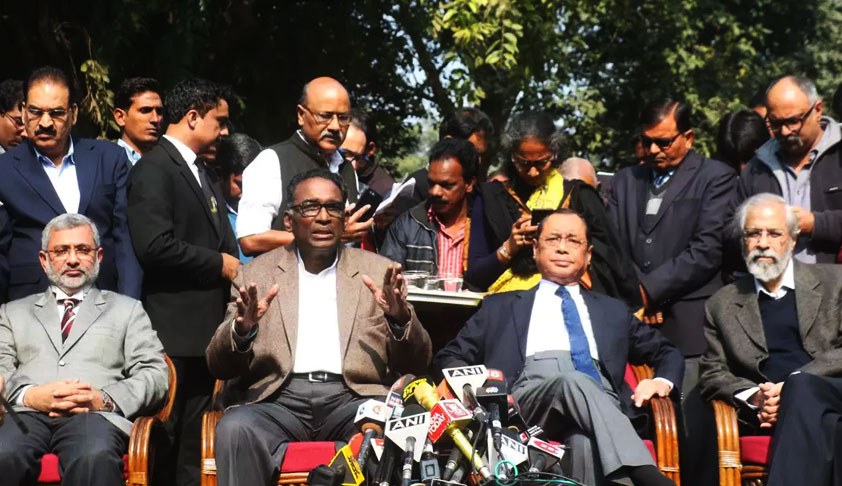
‘Committed To People Not To Government’
In the Harvard Club of India hosted conversation between Mr. Karan Thapar and Justice Chelameswar on 7th April 2018, Journalist Thapar had posed a question to Justice Chelameswar, regarding the propriety of the 12/1 Press Meet. The question drew its relevance from the 9th principle of the “Restatement of Values of Judicial Life” 1997 that was adopted by the Supreme Court in its Full Court as a charter to be followed by judges, which stated “A Judge is expected to let his judgments speak for...
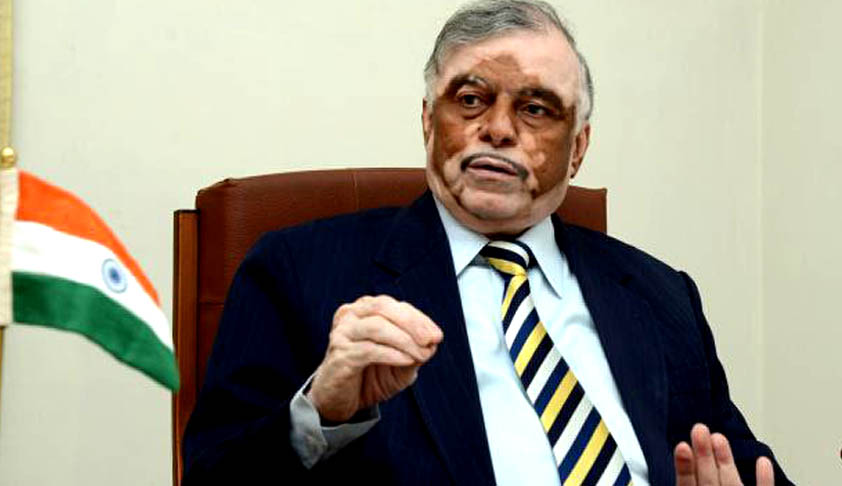
Constitutional Embarrassment: When SC Stays Ordinance Signed By Ex-CJI On Ground That It Nullifies Court Orders
“When boundaries between judiciary and executive get permeable facilitating easy switch from one role to another, such constitutional embarrassments are bound to happen”. It is quite unusual for a law to be made to get over a particular judgment by a court. It is further unusual if the law is not one passed by the legislature, but is made by the government through the ‘ordinance route’.It gets more strange when the Ordinance, which is specifically intended to nullify Supreme Court and high...

SC Decision in BCCI vs. Kochi Cricket: Much Ado About Nothing?
After many rounds of deliberations and at least two Law Commission Reports separated by more than a decade (Report 176 in 2001 and Report 246 in 2014), the Arbitration and Conciliation Act, 1996 was finally amended on 23 October 2015 by way of an ordinance. The ordinance route was justified on grounds that the amendments were urgent to send the right message about Indian government’s intentions of making the necessary legal reforms for ease of doing business in India.Despite good intentions, an...
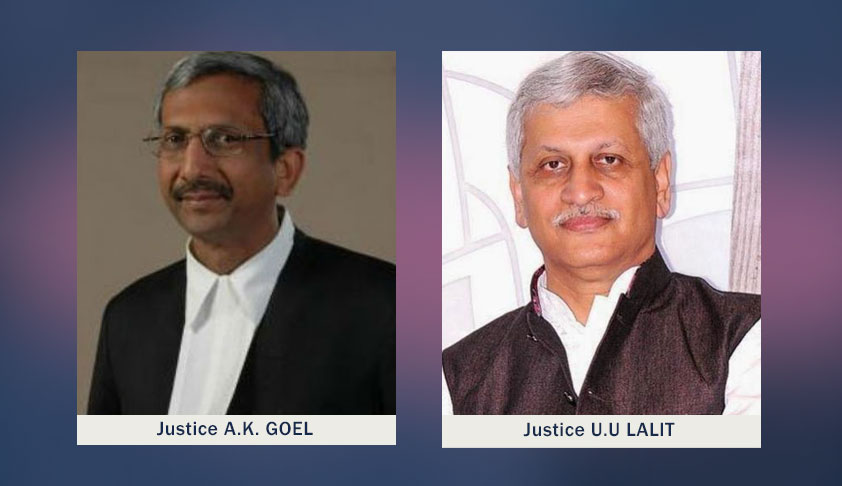
The Reading Down of SC/ST Act: A case of Judicial Insensitivity to Social Justice, Unwanted Judicial Legislation & A Clear Message To Whom It Matters
The insensitivity of the Court towards social justice cause and judicial dilution of a stringent protective social justice legislation by resorting to judicial excess in total disregard of legislative intent was seen reflected once again in Subhash Kashinath Mahajan v. the State of Maharashtra and Anr [hereinafter, Subhash Kashinath]. In this case, a Division Bench Supreme Court comprising of A.K. Goel, J. and U.U. Lalit,J. had...
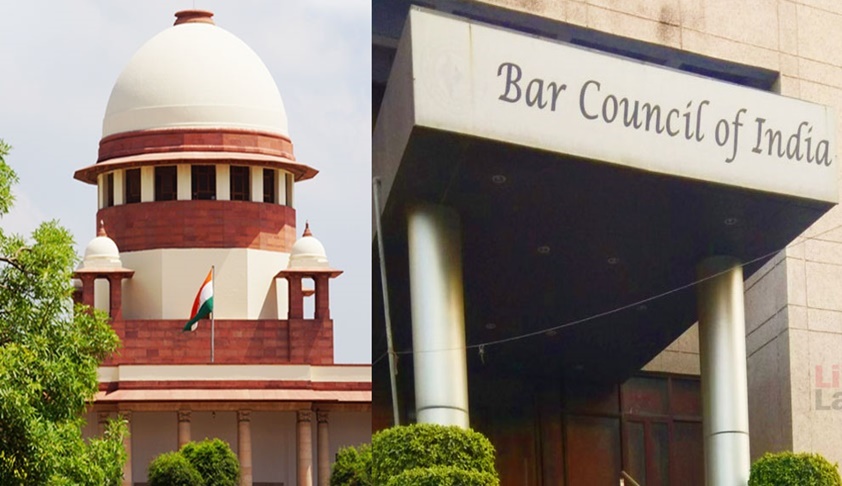
The Selective Battles Of The Bar Council Of India
The disciplinary actions initiated by BCI of late have given the impression that it is selective and partisan in the battles it wants to wage.The Bar Council of India, which ceased to be truly representative long ago because of the failure to hold due elections in time, recently surprised many with a resolution. The resolution, stated to have been taken on March 18, but announced to the world on March 31 in a press conference held by the Chairman of the ad-hoc Council Senior Advocate Manan Kumar...
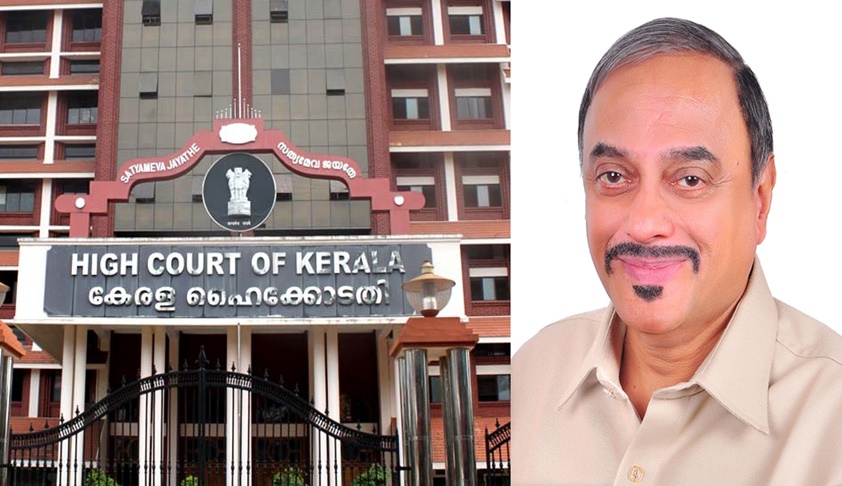
Set Off Under Section 428 Cr.P.C
Section 428 of the Code of Criminal Procedure, 1973 (the “Cr.P.C” for short) enabling an accused person to set off against the sentence of imprisonment, the period of detention undergone by him at the pre-conviction stage, is a new provision. There was no corresponding provision in the old Code i.e. the Code of Criminal Procedure, 1898. Section 428 Cr.P.C reads as follows:-“428. Period of detention undergone by the accused to be set off against the sentence of imprisonment – Where an accused...

A Compromised Judicial Independence Is The Single Biggest Security Threat To This Country-Prof. Mohan Gopal
Speech delivered by Prof. Mohan Gopal at the Public Meeting on ‘Independence of the Judiciary - Implications for Democracy’ hosted by Lawyers’ Forum for Democracy and Justice and Lawyers’ Collective at the Indian Society of International Law, Delhi on 23rd March 2018I was just reading the other day by coincidence in 2018 Vanderbilt Law Review an interesting article based on extensive research of the evolution of judicial independence and various safeguards for judicial independence in the United...

The Insolvency And Bankruptcy Code: Some Fundamentals And Issues
The Insolvency and Bankruptcy Code, 2016 ("Code") was conceived as a path-breaking legislation to consolidate and amend the laws relating to reorganisation and insolvency resolution of corporate persons, partnership firms and individuals, in a time bound manner. The avowed objective was also to secure maximization of the value of assets of such persons, to promote entrepreneurship and balance the interest of all the stakeholders. The Legislative intent was to improve ease of doing business and...
Conflict And Conundrum: Section 26 Of The Arbitration And Conciliation (Amendment) Act, 2015
Section 26 of Arbitration and Conciliation (Amendment) Act, 2015 was enshrined to give hiatus to the controversy of applicable provisions to the pending arbitral proceedings. Since then, the provision has been a cause of much speculation and myriad interpretations by various high courts across the country.Section 26 provides as follows:“26. Nothing contained in this Act shall apply to the arbitral proceedings commenced, in accordance with the provisions of section 21 of the principal Act, before...
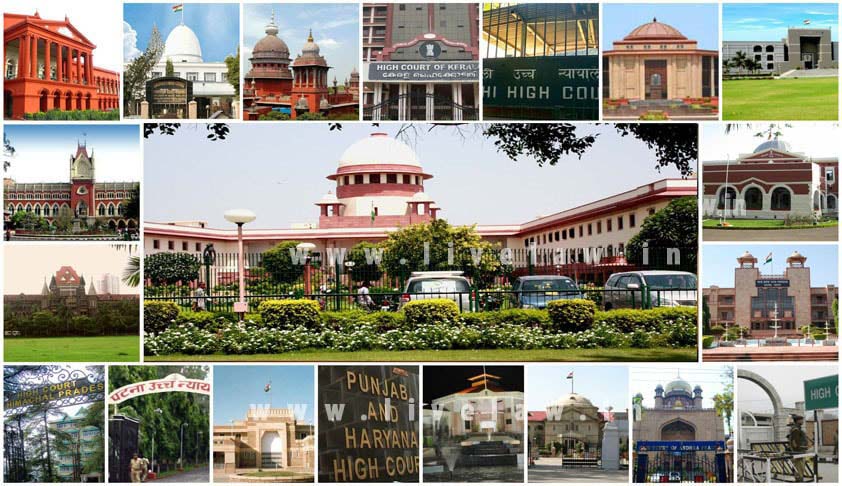
Committing To An Independent Judiciary
“The principle of complete independence of the judiciary from the executive is the foundation of many things in our island life…The Judge has not only to do justice between man and man. He also – and this is one of the most important functions considered incomprehensible in some large parts of the world – has to do justice between the citizens and the State.”– Winston Churchill[1]Even a despot like Churchill understood the requirement of the complete independence of the judiciary from executive...
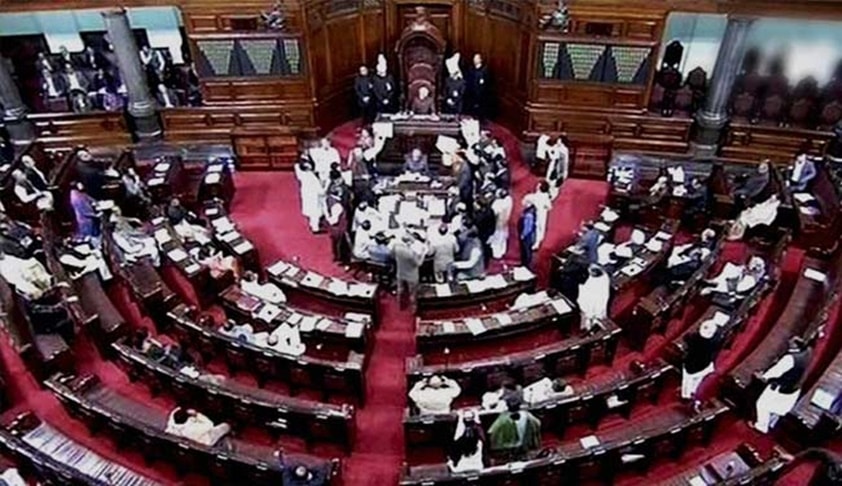
Domiciliary Requirement’s Place In Rajya Sabha’s Constitutional Identity
The sounding of the bugle for elections to India’s Upper House in central parliament (Rajya Sabha) proffers a solemn occasion to consider (or rather reconsider) the constitutional waters of Indian bicameralism. Fifty-nine members from seventeen Indian states/provinces shall be elected today to the upper chamber of Indian ‘temple of democracy’ Maneuvering beyond transient concerns of power politics, this article endeavours to extrapolate the larger constitutional and systemic issues plaguing...
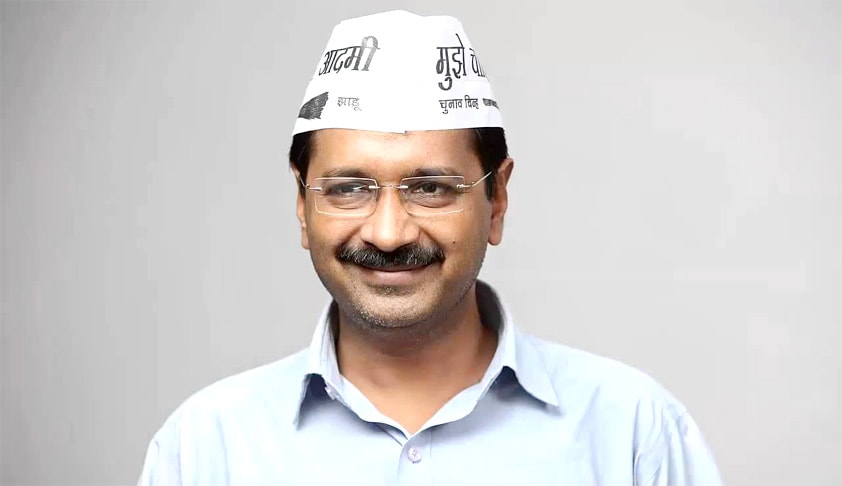
In Defence Of The Offensive
While many detractors of the AAP sneered at Kejriwal’s “backtracking” for apologizing to politicians Nitin Gadkari, Kapil Sibal and Bikram Singh Majithia in the criminal defamation complaints filed against him, few realize that this was a political masterstroke on his part. As Atishi Marlena notes in her piece, this was Kejriwal’s way of getting the cases out of the way to focus on real work. Criminal defamation complaints as intimidation tactics are common in politics and against the media....