


Articles
The Ecstasy And Agony
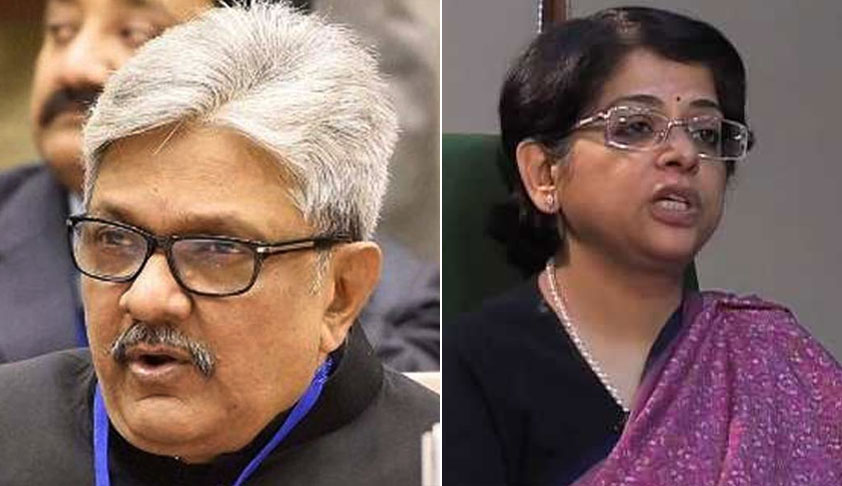
Prayers, felicitations and all good wishes to Justice Indu Malhotra on the occasion of her richly deserved elevation as Judge of the Supreme Court of India. It is celebration time for all of us in the Supreme Court bar on that front.But let us hang our heads down in shame, grief and remorse that her lordship is being sworn in alone and the Collegiums recommendation to elevate Justice KM Joseph is returned. It does not require the wisdom of Solomon to choose between the real reason and the...
April 26-Revisiting The Black Day Of Indian Judiciary
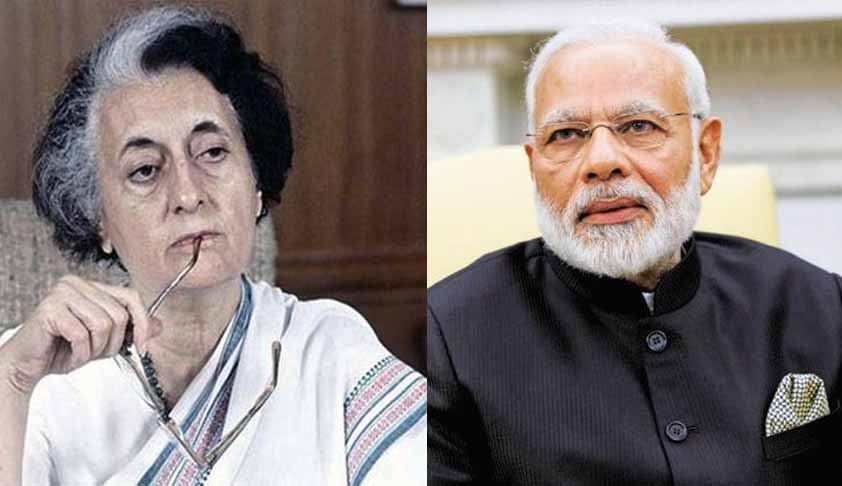
April 26th is proving to be a black day of Indian Judiciary once again. The Central Government has today, unabashedly returned the collegium recommendation for the elevation of Chief Justice of Uttarakhand High Court, Justice K.M.Joseph to the Supreme Court. The collegium had recommended the names of Justice K.M.Joseph and Adv.Indu Malhotra for appointment as Supreme Court judges; the Government has ordered swearing in of Indu Malhotra alone, severing the collegium recommendation, thereby...
Death Penalty For Rape Of Children: Painkillers Without Legislative Prescription
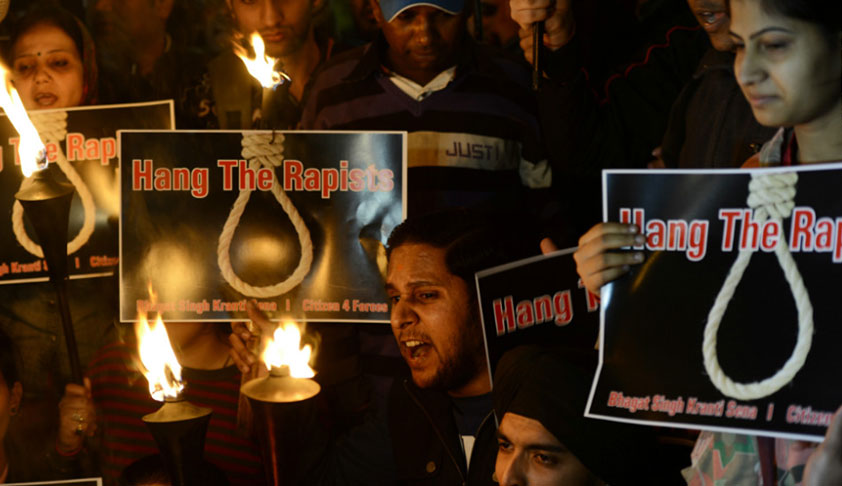
It appears that motivation for retention of death penalty lies not in its utility as a deterrent but as a safety valve for the stirring public sentiments. The Criminal Law (Amendment) Ordinance, 2018, inserting Section 376AB in the Indian Penal Code, 1908 making possible the sentence of death for the crime of rape of a child under 12 years is barely an exercise in legislative or executive wisdom. Those in the political camp of Prime Minister Narendra Modi seem to portray the quickness with which...

Insolvency Litigation, High Stakes, Big Battles, Hair Cuts and Head Cuts
The Insolvency and Bankruptcy Code is slowly evolving and coming of age through hundreds of petitions being instituted in various Benches of the National Company Law Tribunal (NCLT). When the stakes involved are of thousands of crores of rupees, the competition among stakeholders becomes intense; few crores get spend on lawyers' fees, every single day.The high-stake litigants are almost airlifting Senior Counsel of the Supreme Court in chartered flights and choppers to reach different Benches of...
Why Salman Khan’s Sentence Is Harsh & Retributive? There Are No Statutory Sentencing Guidelines In India
Criminal Justice system is an instrument of state and is a key index of the state of democracy. “The mood and temper of the public in regard to the treatment of crime and criminals is one of the most unfailing tests of the civilization of any country,” said Winston Churchill. A criminal trial has two stages ie determination of guilt and fixing of the sentence. We give maximum importance to determination of guilt but how punishment is decided by the judge has not received requisite juristic...
Unanswered Questions In Loya Case Verdict
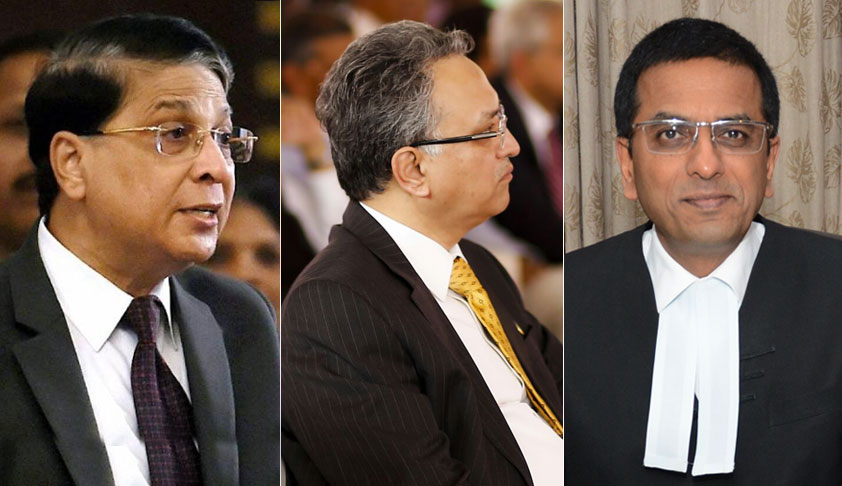
'Several questions regarding the death of Judge Loya will remain unanswered forever. This judgment is the “ADM Jabalpur” moment of the modern-day Supreme Court'The most disturbing event in the great epic Mahabharata is the disrobing of Draupadi which happens in the royal court of Hastinapur. The naive Yudhishthira, intoxicated with the game of dice, wagered his wife Draupadi and lost her to Kauravas. Faced with abject humiliation in the Kaurava court, Draupadi looked up to Bhisma, the...
In Remembering Justice Rajindar Sachar: Loss Of A Sane Voice In Troubled Times
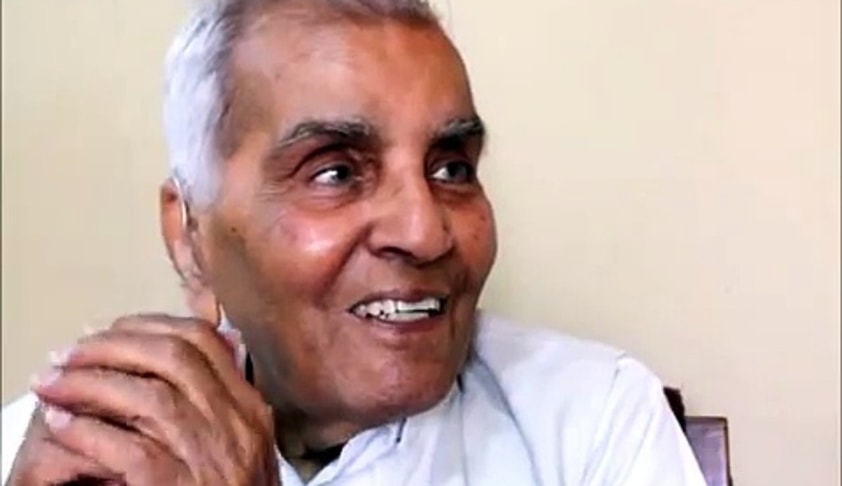
It is often difficult to write about a person with whom you were close for several decades. So many thoughts come to your mind, some are chronological, bound by time and events, but many are those, which are eternal, which constituted that person - his sensitivities, concerns, simplicity, love, and compassion, to which you were a witness. Justice Rajindar Sachar’s life can be easily encompassed by his achievements as a judge and later his immense contribution in public life. The loss we have...
For A Citizen A Judgment That Wasn’t
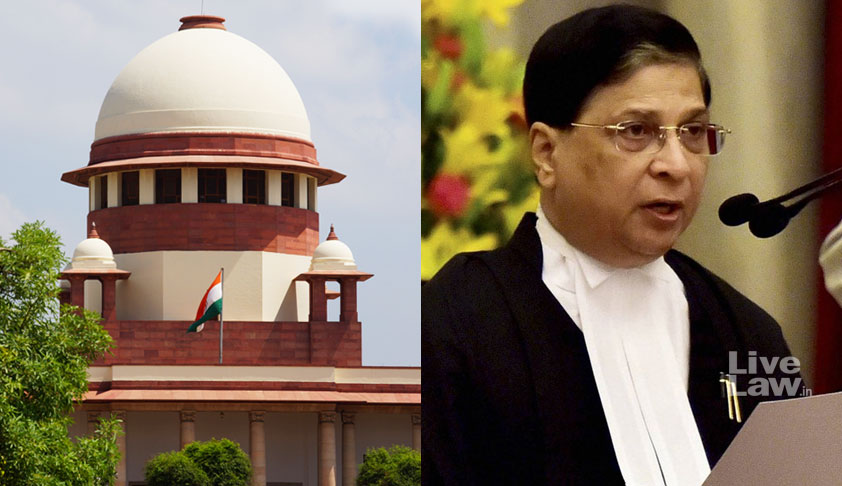
Several thoughts assail a citizen’s anguished mind. For one, the recent judgment of the Supreme Court in Asok Pande case is entirely on expected line, only worse compounded by a poor philosophical foundation of its logic. For another, one wonders if this quick judgment is aimed at preempting and nullifying the Bhusan’s application that has raised some fundamental questions of legal practices, not to speak of moral and ethical issues.There are moral and ethical issues in this case. For the CJI –...
‘Kathua’ Genocidal Rape: India’s International Obligation At Stake
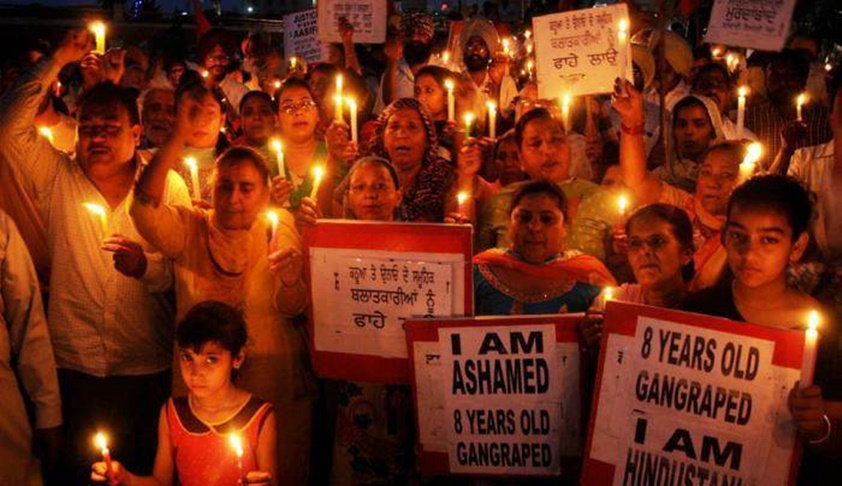
The recent brutal rape and killing of an eight year old girl child in Kathua- a village in Jammu and Kashmir, in the name of a religious and ethnic conflict critically spotlights India’s international obligation under the Convention on the Prevention and Punishment of the Crime of Genocide, 1948, (`the Genocide Convention’). Although the Genocidal tendencies in India are not new—the Sikh riots in 1984 and Gujarat carnage in 2001 being classic cases—the successive governments in India seems to...

The First Year At Glance For NCLAT Post-Merger With COMPAT
Close on the heels of 1st February 2017 whereby the Hon'ble Finance Minister of India, Mr. Arun Jaitley presented the Union Budget 2017 in Parliament, the day can be marked as historical for the long lasted empirical legislative history of India. Mr. Jaitley robustly highlighted the key significant work executed by his administration in the last two and a half years headed by NDA Government. The key highlights included the decrease in the inflation rate, the war against black money through...

Environmental Law In An Aggressive Neo-Liberal Era: An Account Of Environment Law Reform Initiatives In India
The choice of philosophy underlying an ideal environmental law is perplexing. The story of human civilization is also about human being’s confrontation with nature and his /her exploitation of nature and its resources. So an environmental law could be anthropocentric. At the same this nature belongs to all living beings in their natural environment and hence an environmental law should promote the peaceful co-existence of all living beings on planet earth. This is called the eco-centric...
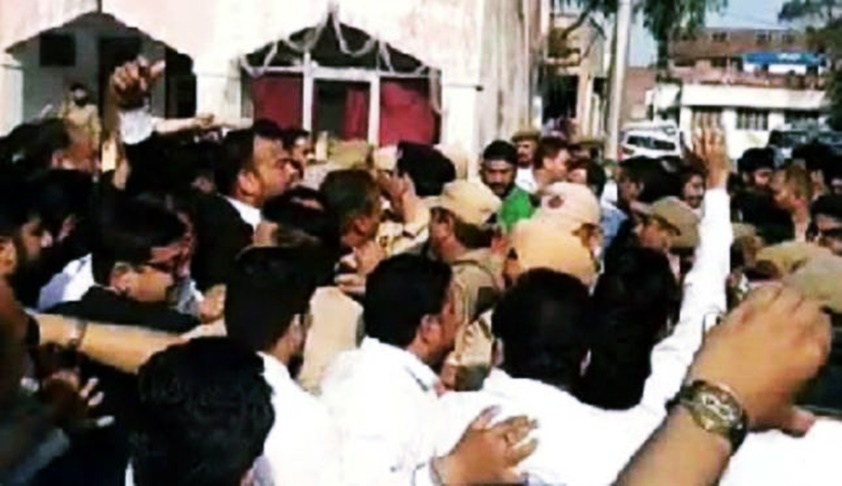
The Ignoble Ways Of Legal Profession
To salvage the lost nobility of legal profession, it is necessary to send a strong message by throwing out the goons in gowns from the profession.Lawyers often resort to the self-congratulatory pat that they are in the ‘noble-profession’. I distinctly remember my enrolment ceremony about seven years ago, when one of the then members of the Bar Council congratulated the young lawyers assembled there for choosing the ‘noble profession’. Justice J. Chelameswar, the then Chief Justice of the High...