


Articles

Uphaar 'Re'tragedy : Judge centric sentencing & Future course
6 days back, a three judge bench of the Supreme Court imposed a fine of Rs 30 Crores each on Gopal & Sushil Ansal pertaining to the tragic fire incident in 1997 at the Uphaar Cinemas, Delhi claiming lives of 59 cine enthusiasts due to asphyxia. The only reason awarded in a 2 para judgment is old age. Not only does such sentencing gives a wrong message that the rich and influential can escape the clutches of legal imprisonment by paying money but also it sets a bad precedent narrowing down...
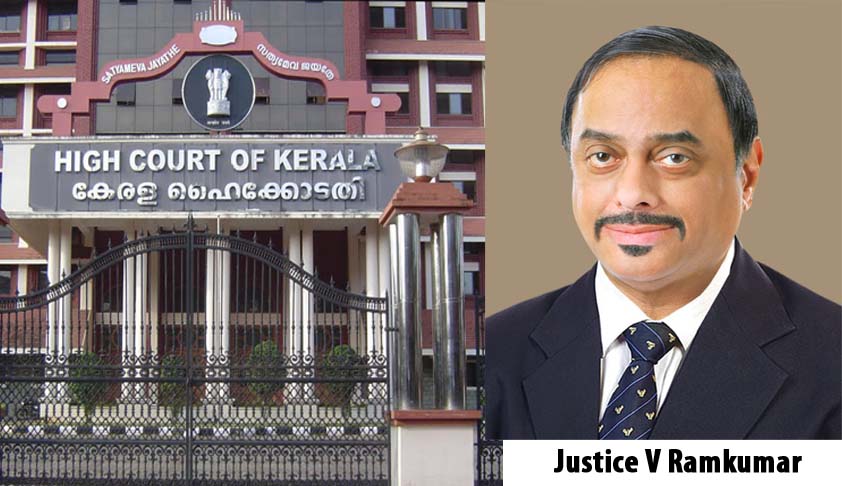
Further Investigation and S.156(3) CR.P.C Prakash v/s State of Kerala does not appear to be fully correct
Towards the fag end of the trial faced by the husband of the deceased for an offence punishable under Section 498-A of the Indian Penal Code, the learned Magistrate ordered further investigation by invoking the power under Section 173(8) of the Code of Criminal Procedure, 1973 (“Cr.P.C.” for short). The Magistrate directed that as against the ASP who originally conducted the investigation, the further investigation shall be entrusted by the District Police Chief to any competent officer under...

Should Section 28 of the Indian Contract Act be Amended yet again?
Section 28 of the Indian Contract Act, 1872 is crucial for insurance companies and banks and was the focus of the 97thLaw Commission’s report, based on which it was amended in 1997, raising a hue and cry from banks and insurance companies. Later in 2012, it was once again amended, possibly with the intention of giving succour to all aggrieved parties, but I seriously doubt if this amendment is the final word on this crucial provision.English law prior to 1872Prior to 1872 when the Indian...
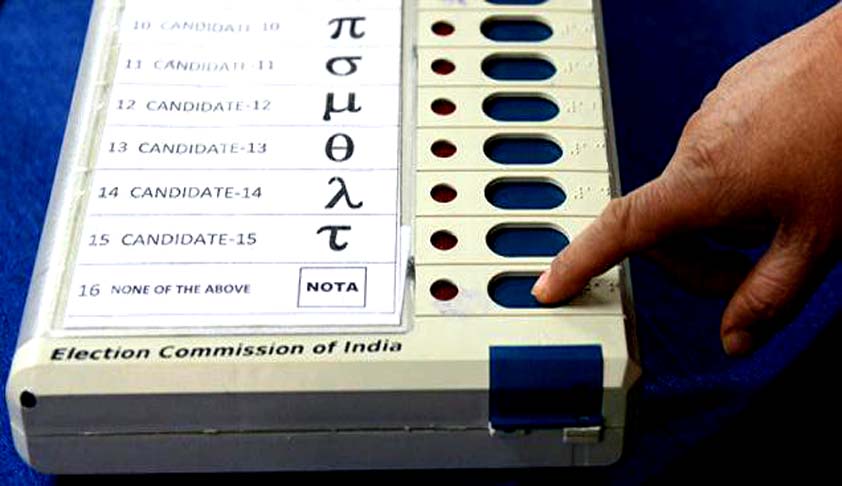
Compulsory voting: Step towards democracy or dictatorship?: Why not ‘Right-To-Reject’?
It refers to Gujarat High Court rightly staying compulsory-voting for local bodies in Gujarat. Idea is totally unconstitutional and undemocratic in name of making democracy more people-participatory! Voting is a right and not a duty, and as such forcing to vote could create fear-fever amongst many, and thus also violate their normal human rights. Even National Human Rights Commission (NHRC) should also take cognizance of initiative of Gujarat government.Most people who do not go to vote do so...
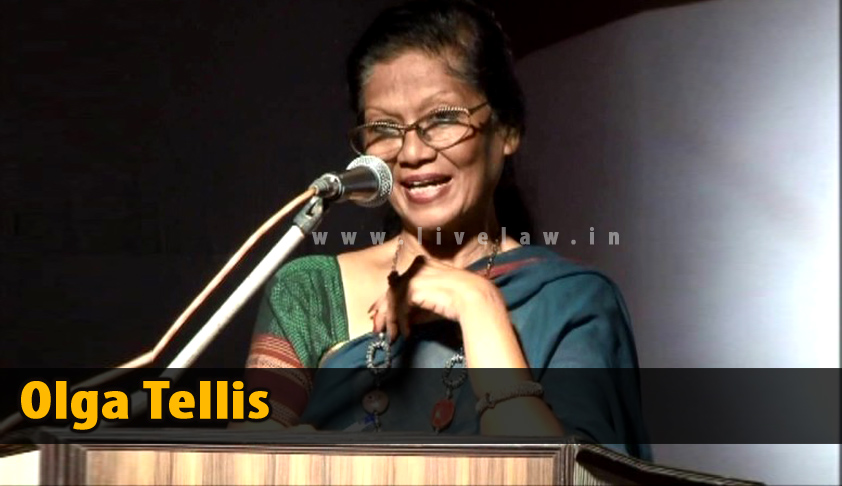
Re-reading ‘Olga Tellis and ors v. Bombay Municipal Corporation’ as Petitioner completes 50 years in Journalism
One of India’s finest and most respected journalists-Olga Tellis, who chased news and newsmakers and reported for various magazines and newspapers has completed 50 years in the profession.She was the only woman reporter covering politics and business when she started out in the 1960s at the Ananda Bazaar Patrika group.Though she started off covering the political beat as a political reporter and went on to interview the who’s who of Indian politics including Sharad Pawar, George Fernandes etc,...

Education vs Publishing Rights —Needless Confrontation?
I have been following the so called 'Delhi University photocopying case' both as a concerned parent and as a publishing professional. I was initially rather surprised to see among my college going son's books and notes, thick spiral bound photocopied sheets containing full essays and extracts from major publications in the fields of psychology, sociology, and other related subjects. My son informed me that the sheets contained prescribed reading material provided by his University, a major state...

Being Spineless Politically
Unless our courts hold death penalty to be unconstitutional, abolition needs a new law. If the political will to change law is absent, there should be the political courage to commute death sentences if there are good reasons.By the time you read this piece, Yakub Memon may have been killed by the noose. At the time of going to press, the President of India was closeted with home ministry officials including intelligence officers and other advisors on what could be Memon's last mercy...

Should the Accused Summoned in Criminal Cases get a seat?
Press reports of the 5th of this month show that a social activist has challenged the legality and propriety of an age old system in our courts. The demand is for providing seating facility for the ‘under trial accused’ who is forced to be present in court to watch the trial against him. The PIL seeks for a direction to all Judicial and Quasi-Judicial Forums in the state to treat victims, witnesses and suspects with dignity by offering them seats. The report goes on to say that on the 4th of...
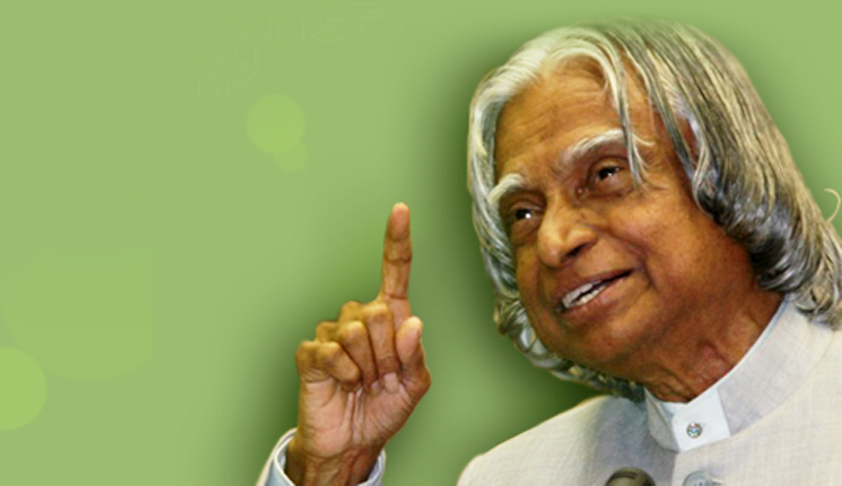
APJ Abdul Kalam; The Constitutionalist
The article first published on July 25th,2007 in Law and other things.As A.P.J.Abdul Kalam's eventful tenure came to an end, he seems to have generally got a very good press in terms of editorials and commentaries. Pratap Bhanu Mehta, while lauding him for crossing the class barrier, refers to his occassional lapses of Constitutional judgment, which apart from his other such blemishes, did not affect his image. His Indian express article is here.What Mehta mentions in passing gets a specific...
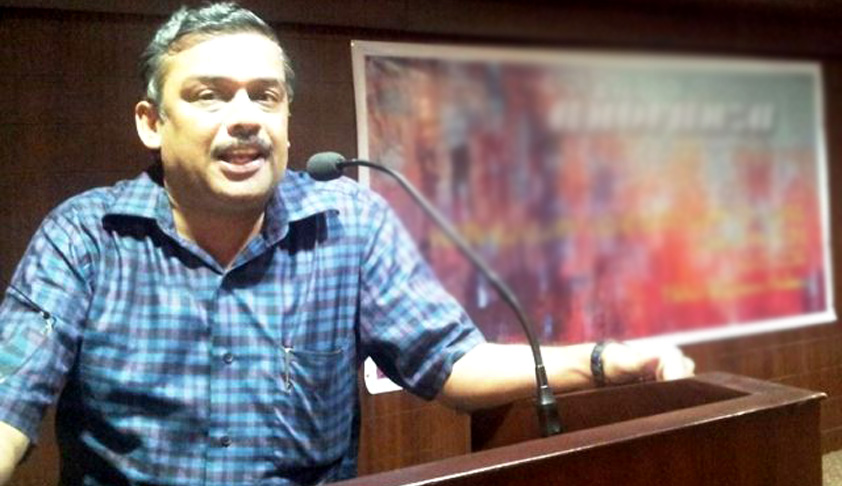
Lawyer turns saviour to five through his death -A tribute to Adv S.Neelakanta Sarma
“Life isn’t about finding yourself. Life is about creating yourself” said George Bernard Shaw.Adv S.Neelakanta Sarma, a young but high profile civil lawyer at Thiruvananthapuram created history in his death. Sarma succumbed to cerebral hemorrhage at Sri Chithra Thirunal Institute of Medical Sciences, Thiruvananthapuram on 24th July 2015. A bold decision, at a time of severe grief, by his wife Smt Latha and family, guided by his conscience, to donate his heart and vital organs, was the pivotal of...

Net Neutrality
A DOT Committee, headed by Chairman A.K. Bhargava recently released its report titled ‘Net Neutrality’ where it analyzed the feasibility of adherence to the principle of net neutrality in the Indian scenario. Net neutrality simply put, promotes that all communication passing through the network should be treated equally irrespective of content, application, service, device, sender and receiver.The fierce debate surrounding net neutrality in India arose due to possibility of price...
Taking Cognizance of an Offence - The Disillusionment Continues
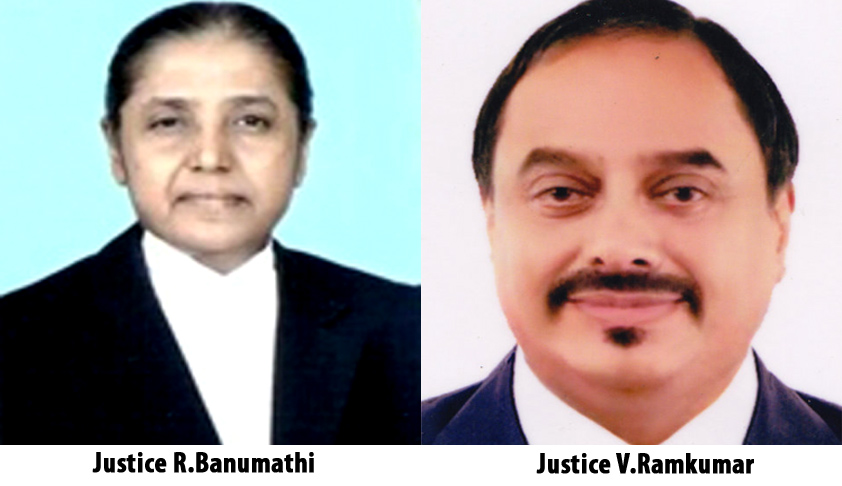
The essential facts discernible from a nascent verdict of the Supreme Court of India in Crl. Appeal No. 844 of 2015 (S.R. Sukumar V/s S. Sunaad Raghuram) (Justice T.S.Thakur and Justice R.Banumathi- written by Justice Banumathi) handed down (as reportable) on 2-7-2015, are as follows:- 09-5-2007:A complaint was filed by one Sunaad Raghuram before the Addl. Chief Metropolitan Magistrate against one Sukumar (A1) and his mother (A2) alleging the commission of...