



Bombay High Court Denies Interim Relief In Tata Trusts' Challenge To N Chandrasekaran's Third Term
LIVELAW NEWS NETWORK
27 Nov 2026 9:50 PM IST
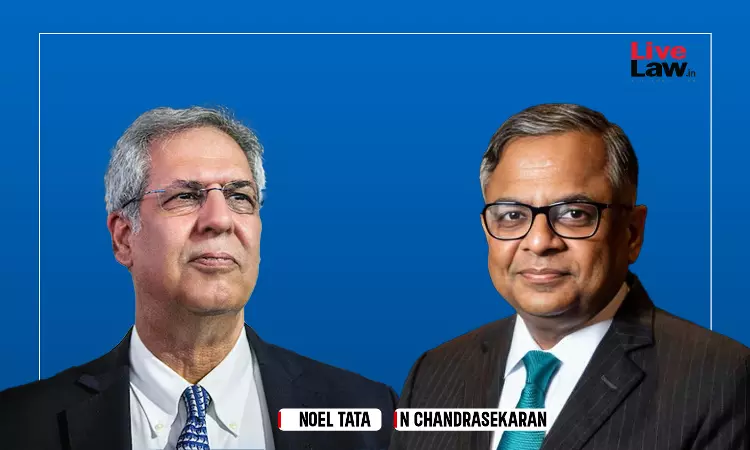
The Bombay High Court on Friday refused to grant interim relief to two Tata Trusts challenging N Chandrasekaran's reappointment as Executive Chairman of Tata Sons for a third five-year term.
The court allowed the company's November 30 board meeting to proceed, making its outcome subject to the final decision in the pending suits.
After hearing the parties for over three hours, Justice Abhay Ahuja declined to grant any interim protection “We are giving you time to file reply, I am not granting any relief. Let meeting go on November 30. And the meeting is subject to the outcome of the petition,” the court said.
The suits have been filed by Sir Dorabji Tata Trust (SDTT) and RD Tata Trust (RDTT), which together hold a 66% stake in Tata Sons. They challenge a September 17 board resolution reappointing Chandrasekaran for another five-year term.
The dispute centres on the interpretation of Articles 104B and 121 of Tata Sons' Articles of Association. The Trusts contend that Article 121, read with Article 104B, requires the affirmative vote of a majority of Trust-nominated directors for certain board decisions.


At the September 17 meeting, Trust-nominated directors Noel Tata and Venu Srinivasan took opposing positions on Chandrasekaran's reappointment. While Srinivasan supported the proposal, Noel Tata opposed it. Acting chairman Harish Manwani then exercised his casting vote in favour of the reappointment.
The Trusts have questioned the validity of the resolution, arguing that the affirmative voting requirement under the Articles of Association was not met and that the casting vote could not override it.
During Friday's hearing, the court sought to understand whether the September 17 vote had resulted in a tie. The Trusts' counsel argued that the issue was not one of a tie but whether the required affirmative vote of the Trust-nominated directors had been obtained.
Tata Sons opposed the Trusts' case and sought time to file its reply. Its counsel argued that the dispute arose from the Trusts' own decision to appoint two directors with differing views and questioned the interpretation that the affirmative vote requirement could prevent a decision from being taken.
The company also questioned the maintainability of the suits, including whether permission from the Charity Commissioner was required.
The Trusts have sought a declaration that the September 17 resolution is invalid, along with permanent injunctions restraining Tata Sons from acting on it. They have also claimed damages of ₹65 crore.
The court declined to grant interim relief and allowed the respondents time to file their replies.


