



- Home
- /
- High Courts
- /
- Delhi High Court
- /
- Civil Courts Have Exclusive...
Civil Courts Have Exclusive Jurisdiction to Cancel Registered Sale Deeds Despite Ongoing SARFAESI Proceedings Before DRT: Delhi High Court
Jatin Dua
13 Nov 2025 5:00 PM IST
The High Court of Delhi, while clarifying the limits of the jurisdictional bar under section 34 of the SARFAESI Act, has held that a civil suit seeking cancellation of a registered Sale Deed is maintainable before a civil court, even where the property is simultaneously subject to proceedings under the SARFAESI Act, 2002. The ruling reinforces that DRTs cannot adjudicate...
This is a premium content
Available exclusively to
Our subscribers
Subscribe Premium 
INR 1099+GST
Your support helps us to bring you more content at
an affordable subscription scheme !!!
All payment options available
The High Court of Delhi, while clarifying the limits of the jurisdictional bar under section 34 of the SARFAESI Act, has held that a civil suit seeking cancellation of a registered Sale Deed is maintainable before a civil court, even where the property is simultaneously subject to proceedings under the SARFAESI Act, 2002. The ruling reinforces that DRTs cannot adjudicate disputes concerning the validity or cancellation of registered conveyances, which continue to lie exclusively within the domain of civil courts.
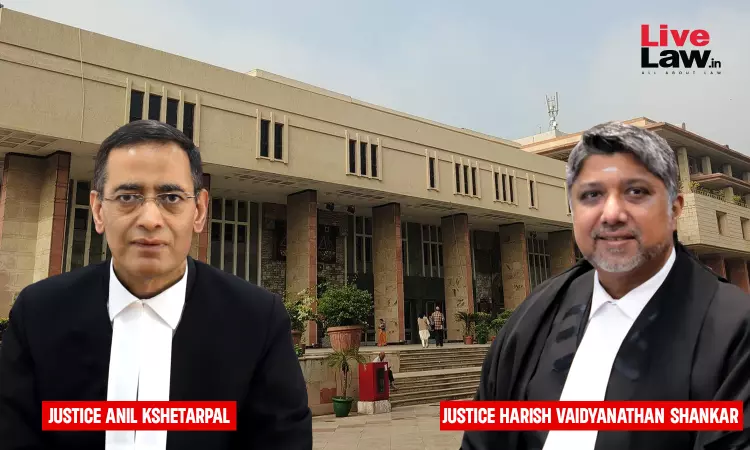
The Division Bench headed by Justice Anil Kshetarpal and Justice Harish Vaidyanathan Shankar allowed the appeal, setting aside the order of the single judge whereby the plaint of plaintiff/appellant was rejected under Order VII Rule 11 CPC.
The appellant, along with his late father, had purchased a Sainik Vihar property in 2006. Owing to delays in bank funding, he took a friendly loan of INR 65 lakhs from Respondent No.2 and handed over the original title documents under a 2017 MoU. Although INR 50 lakhs was transferred, he alleges he was pressured to return large portions, effectively receiving only about INR 28 lakhs. After becoming the sole owner in 2018, he was allegedly threatened, including with the kidnapping of his children, and coerced and forced on 03.04.2018 to execute a Sale Deed showing INR 2.5 crore consideration. The respondents then mortgaged the property with OBC (now PNB), triggering SARFAESI proceedings and auction notices in 2019 and 2020. On receiving the auction notice, he filed a civil suit seeking cancellation of the Sale Deed and an injunction.
The Single Judge rejected the plaint under Order VII Rule 11, holding that the appellant had not filed any criminal complaint or FIR despite alleging coercion, and that the plaint lacked adequate particulars of fraud. The Court also observed that the MoU appeared suspect since the appellant's father was shown as a party but had not signed it. It further held that the plea of non-payment of consideration was barred by Sections 91 and 92 of the Evidence Act and concluded that the suit itself was barred by Section 34 of the SARFAESI Act because the reliefs sought were intertwined with the measures initiated by the secured creditor.
The Division Bench, while setting aside the Order of the Single Judge, held that the principles governing Order VII Rule 11 were misapplied. It noted that at the threshold stage, the plaint must be read as a whole without testing the truth of the allegations or relying on the defence. The absence of an FIR does not undermine claims of coercion, particularly when they relate to the issue of free consent, which is a matter for trial rather than summary rejection. The Court observed that the plaint adequately pleaded coercion, misrepresentation, and undue influence, and therefore disclosed a valid cause of action, since free consent is a sine qua non for a valid contract under section 10 read with section 14 of the India Contract Act, 1872. Any lack of detail of fraud could be cured through amendment or clarified in evidence, and was not fatal so as to deserve the rejection of the plaint at the inception.
The Court noted that the objections under Sections 91 and 92 of the Evidence Act were premature, as these provisions would apply only when evidence is led, not at the stage of deciding an Order VII Rule 11 application. Finally, the Bench clarified that Section 34 of the SARFAESI Act was not attracted because DRTs have no jurisdiction to cancel registered Sale Deeds. Relying on Central Bank of India v. Prabha Jain & Ors., it held that such relief lies exclusively before civil courts, even if SARFAESI proceedings are ongoing and remanded the matter to the single judge bench.
Counsel for Appellant: Mr. Manish Makhija, Ms. Simran Makhija
Counsel for Respondent: Mr. OP Pahuja for PNB
Title: RAJIV SAREEN v. M/S DIVYANSHU ENTERPRISES AND OTHERS
Citation: 2025 LiveLaw (Del) 1492


