Personal Monetary Benefit To Each Accused Not Necessary For Probe Into Cheating, Forgery, Conspiracy: MP High Court
Jayanti Pahwa
27 Oct 2026 12:40 PM IST
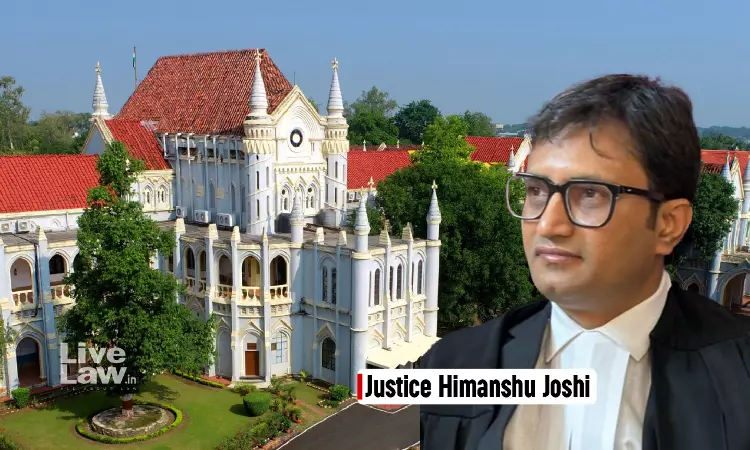
The Madhya Pradesh High Court has held that personal monetary gain by each accused is not necessary for investigating offences of cheating, forgery, or criminal conspiracy. [2026 LiveLaw (MP) 430]
The bench of Justice Himanshu Joshi refused to quash an FIR alleging conspiracy to execute a lease deed for government land using allegedly forged revenue records.
"It is also not necessary that each accused must have personally derived monetary benefit for an offence of cheating, forgery or criminal conspiracy to be investigated. The precise role of the petitioner, his knowledge regarding the status of the lease and the circumstances in which the transaction was executed are matters which have to be ascertained during investigation and, if necessary, proved at trial".
A petition was filed by the petitioner seeking quashment of the FIR registered by the Economic Offence Wing for offences of criminal breach of trust (Section 406), cheating (Section 420), forgery (Section 467), and criminal conspiracy (Section 120B) of the IPC.
Per the prosecution case, during the investigation of another crime registered against co-accused PC Singh, a lease came to light regarding land in Block 4 Civil Station. Per the FIR, the land stood registered in the name of United Church of North India Trust Association (UCNITA), and the petitioner was the managing director.


The petitioner allegedly executed a lease deed in favour of co-accused PC Singh. During investigation, a report was obtained from the Sub Divisional Officer regarding revenue records that showed that the earlier lease had expired on March 31, 1999. However, the Nazul Khasra entry at the time of registration of the transaction mentioned the expiry date as March 31, 2029.
The prosecution alleged that the relevant Nazul Entry was prima facie forged and thus caused a wrongful loss to the State.
The counsel for the petitioner argued that the FIR did not disclose any specific overt act on his part except signing the lease deed in his capacity as Managing Director of the UCNITA. It was argued that the Khasra entry was not prepared or submitted by the petitioner and that he derived no personal benefit from the said transaction.
The counsel for the petitioner argued that he was merely an employee of UCNITA and that he was merely acting on the resolutions of the Management Committee. It was submitted that even if the allegations in the FIR are taken at their face value, the ingredients of Sections 406, 420, 467, 468, 471 and 120-B IPC are not made out.
The counsel for the State argued that the FIR disclosed serious allegations involving manipulation of revenue records. The State argued that the role, knowledge and intention of the petitioner are to be determined based on evidence and investigation.
The court noted that the FIR contained specific allegations against the petitioner that he had executed a lease as Managing Director of UCNITA in favour of co-accused PC Singh.
The court rejected the petitioner's defence that he acted only pursuant to the resolutions of the Management Committee and did not obtain any personal benefit from the transaction.
The bench noted that the precise role of the petitioner is to be ascertained during investigation and subsequently in the Trial.
The bench further emphasized,
"The submission that the petitioner merely acted as an employee pursuant to the resolutions of UCNITA also cannot, at this stage, completely absolve him of criminal liability. Whether the resolutions authorised the particular transaction, whether the petitioner acted bona fide pursuant thereto and whether he had knowledge of any irregularity or manipulation are all matters requiring examination of the relevant records and other evidence".
Thus, the bench held that it did not find any exceptional circumstance to warrant exercise of inherent jurisidction and therefore, dismissed the petition.
However, the court directed the authorities to complete the investogation within 60 days.
For Petitioner: Senior Advocate Anil Khare with Advocate Harjas Singh Chhabra
For State: Advocate General Prashant Singh with Additional Advocate General BD SIngh