


Articles
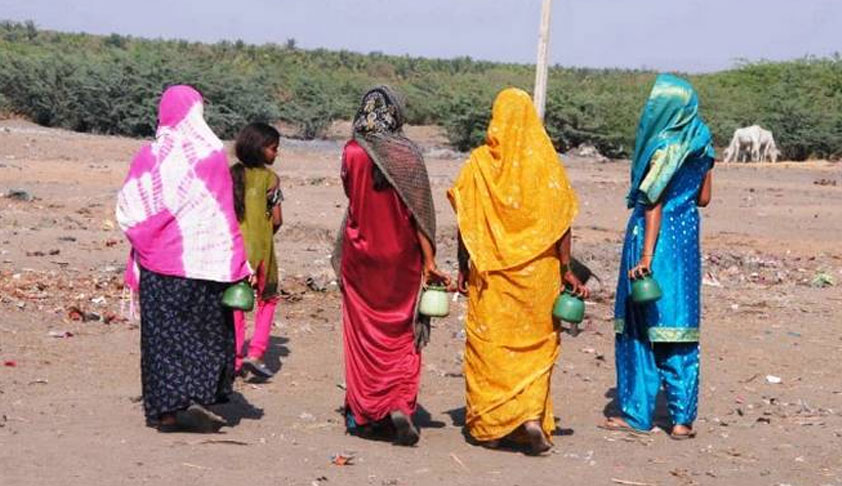
Open Defecation And Violence Against Women: Socio-Legal Perspective
In spite of all kind of development, the practice of open defecation is widespread in India. The problem of open defecation, poor sanitation, and public health are important governance issues in a developing country like India for ensuring human development index. The problem of poor sanitation has also significant impacts on the safety, well-being and educational prospects of women. The lack of access to a clean, safe toilet, especially during menstruation perpetuates risk, shame and fear. The...
Abatement Of Criminal Appeals
Every appeal by the State or Central Government under Section 377 (against inadequacy of the sentence) or under Section 378 (against acquittal) shall finally abate on the death of the accused. In such appeals, the accused will invariably be the respondent. An appeal under Section 378 (4) Cr.P.C (Section 417 (3) of old Cr.P.C) against acquittal abates only on the death of the accused and not on the death of the appellant.(Once such an appeal has been entertained by the High Court, the inability...

Why Aadhaar Act is a Black Act -Part II
Database state is an exercise in outsourcing of government through technologies that govern individuals to admittedly undemocratic entities wherein the biometric identification is being made a pre-condition for citizens to have any rightsDatabase State, a report from the UK, has revealed how the old maxim, 'If you have nothing to hide, you have nothing to fear' has been given a very public burial. The report states, “In October 2007, Her Majesty's Revenue and Customs lost two discs containing a...
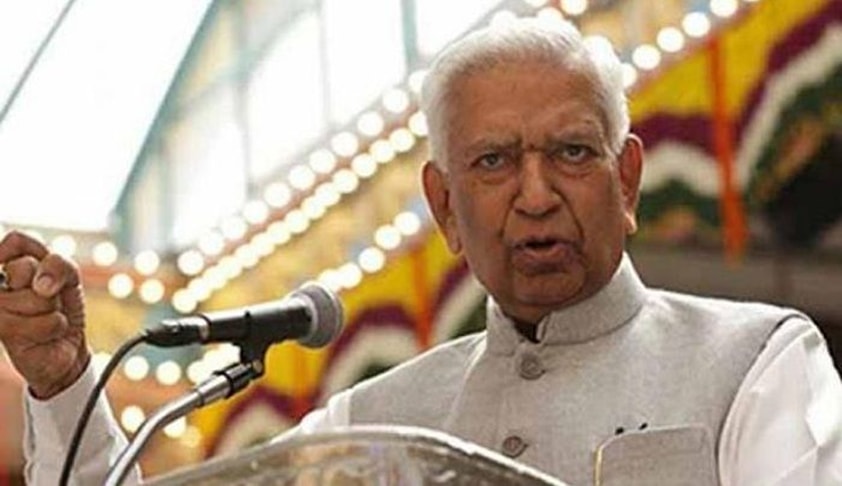
Governor’s Discretion while Choosing CM: An Analysis of the Recent Karnataka Drama
Discretion granted to a person most probably opens the floodgates for partisan decisions. Situation aggravates if the person has political interests and the decision is unchallengeable. We are speaking about the office of the Governor in India. Ever since the Madras State elections in 1952, the office of the Governor has been controversial on several fronts. The Governor’s discretion in choosing a chief minister has been a significant bone of contention. Several suggestions such as the...

Re-Orienting The Legal Framework For Co-Operative Society Organisations
Co-operative societies are formed in India as vehicles for the purpose of collective ownership of the business and commercial activities. The stakeholder responsibility could be best implemented using the co-operative model of organising business and commercial activities. But post- liberalisation of the market in India, company as a format has got maximum prominence. Of late, the new form of organising business Limited Liability Partnership also have got emphasis. A reality check towards the...
Catastrophic And Calamitous Ruins Of CLAT 2018
The Common Law Admission Test (CLAT) is conducted every year on a rotational basis with one national law school conducting it. Vide this prestigious examination, all 19 national law universities (NLUs) except NLU-Delhi take their entrants in the UG courses as well as the PG courses. The score obtained in CLAT-PG is also used by public sector undertakings, including Maharatna and Navaratna companies, for the appointment of their legal advisors. Various other law schools also use the score...
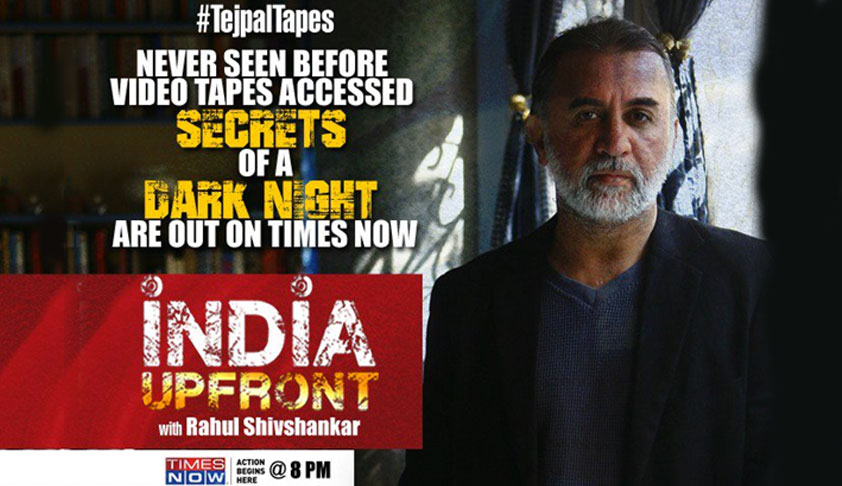
Times Now’s Parallel Trial In Tarun Tejpal Case : A Clear Case Of Interference In Administration Of Justice
Media should perform the acts of journalism and not as a special agency for the Court – Supreme Court of India, in Sidharth Vasisht v. NCT of Delhi (2010) 6 SCC 1, while chastising media for biased reporting of the pending trial.The quality of newsroom discussions hit a new low when Times Now held a horrendous debate on the CCTV footage in the rape case involving Tarun Tejpal, by brazenly defying the court order and statutory provisions. The debate aired on May 28, was preceded by a dramatic...
Why Aadhaar Act is a Black Act? Part I
Ever wondered as to why bankers are immensely interested in biometric identification and verification of citizens? Biometric identification implies that movements of present and future generations of citizens are tracked like those of bacteria under a microscope. This exercise of creating a centralized ‘online database’ of biometric information of Indians is unfolding under the gaze of all the public institutions in general and the Supreme Court in particular. The core issue here is will efforts...

Weed Out Evergreen Patents
A recently published report "Pharmaceutical Patent Grants in India: How our safeguards against evergreening have failed and why the system must be reformed", by Dr. Feroz Ali, Dr. Sudarsan Rajagopal, Dr. Venkata S. Raman and Roshan John, identifies pharmaceutical drug patents granted in likely contravention of anti-evergreening provisions under Section 3 of the Indian Patents Act, from a cohort of 2,293 patents granted between 2009 and 2016. An estimate of the rate at which the Indian Patent...
Bad Is Turning Good- From SICA To IBC-The Journey Of Bad Loans In India
India's bad account market is turning good. Investors are upbeat and banks are also looking for alliances to start funds. Huge amount of money from global and domestic capital market is being pumped-in in stressed assets market in India. Big assets undergoing Corporate Insolvency Restructuring Process (CIRP) under Insolvency and Bankruptcy Code, 2016 (IBC) are hot targets. Funds are hoping for big in next round of big tickets cases which might end up before National Company Law Tribunal...
![Holding Foreign Corporations Liable In US Courts Might Impact American Corporate Investments In Developing Economies: SCOTUS [Read Judgment]](https://www.livelaw.in/cms/wp-content/uploads/2018/05/SCOTUS.png "Holding Foreign Corporations Liable In US Courts Might Impact American Corporate Investments In Developing Economies: SCOTUS [Read Judgment]")
Holding Foreign Corporations Liable In US Courts Might Impact American Corporate Investments In Developing Economies: SCOTUS [Read Judgment]
The recent decision by the Supreme Court of the United States (SCOTUS) in the case of Jesner et al. v. Arab Bank, PLC has further restricted the scope of holding foreign corporations liable in the Federal Courts of the United States under the Alien Torts Statute (ATS). The ATS is part of the Judiciary Act of 1789 which provides that “The district courts shall have original jurisdiction of any civil action by an alien for a tort only, committed in violation of the law of nations or a treaty of...
Why Can’t CM And PM Be Elected
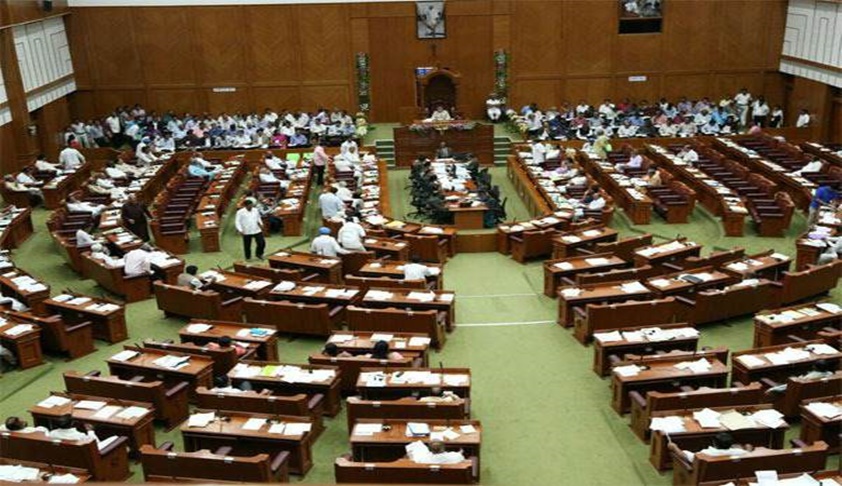
The Karnataka crisis has reinvented the question - why can’t the Chief Minister of a State or Prime Minister of India be elected by the legislature (Assembly in respect of a State and Parliament in case of Prime Minister).The system in India is based on the principles of parliamentary democracy in the United Kingdom. Under this system, the Governor appoints the Chief Minister and President appoints the Prime Minister and then the appointees prove majority by moving the confidence motion in the...