


Articles
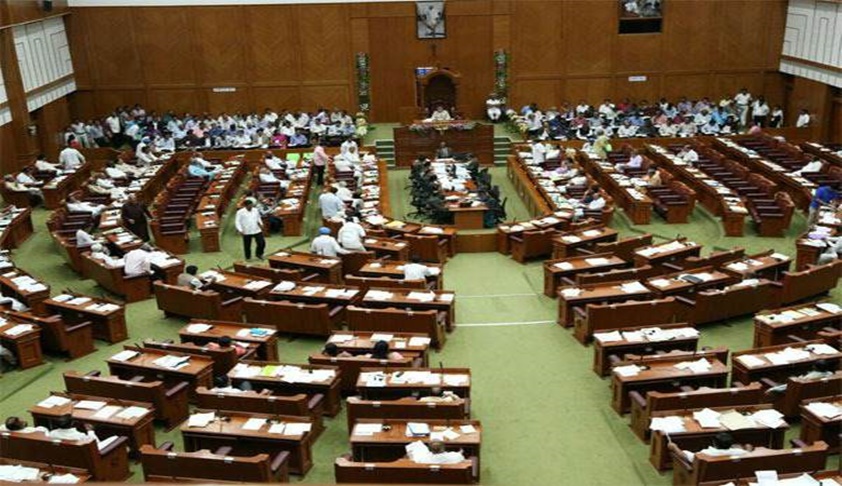
Why Can’t CM And PM Be Elected
The Karnataka crisis has reinvented the question - why can’t the Chief Minister of a State or Prime Minister of India be elected by the legislature (Assembly in respect of a State and Parliament in case of Prime Minister).The system in India is based on the principles of parliamentary democracy in the United Kingdom. Under this system, the Governor appoints the Chief Minister and President appoints the Prime Minister and then the appointees prove majority by moving the confidence motion in the...

Technology & Innovation: Trends Transforming The Legal Industry
The Changing Face of Legal IndustryGlobally, the legal industry is experiencing an era of transformation. The changes are unmistakable and diverse. Paperwork and data management- long practiced by lawyers- is being replaced by software solutions; trans-national boundaries are legally shrinking; economic forces are re-defining law practices; innovative in-house law departments are driving significant value creation; consumer trends have begun to dominate the legal landscape; clients are playing a...
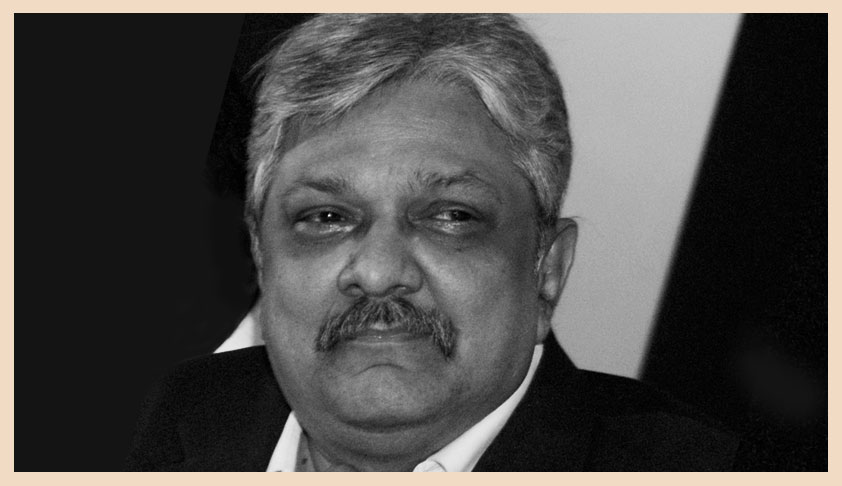
The Agni Pareeksha, 2018 Redux: The Trial Of Justice K.M. Joseph
“[There is] no other method of making the adjustment necessary to a society like ours for maintaining the equilibrium between the state and the federal power, for settling the eternal conflicts between liberty and authority – than through a court of great traditions free from the tensions and temptations of party strife, detached from the fleeting interests of the movement.”Felix Frankfurter (cited by Justice K.K.Mathew in the First Sir TejBahdurSapru lecture titled ‘Democracy, Equality and...
The Curious Case Of Irregular Application Of Professional Income As Criterion For Considering Elevation By Collegium
The collegium has singularly rejected a candidate, who otherwise could have been meritorious and deserving, only because he did not qualify the income criterion, whereas exactly similarly situated candidates have been recommended by the very same collegium. The criteria for one shall be the criteria for everyone is the rule of law. Any departure from this shall be treated as arbitrary.The efforts of Justice Chelameshwar towards transparency have borne fruits and there is a dedicated tab on the...

Getting A 360 Degree View Of Citizens And Unique ID
At paragraph 118 of his Budget Speech, Finance Minister Arun Jaitley recently said, “Aadhaar has provided an identity to every Indian. Aadhaar has eased delivery of so many public services to our people. Every enterprise, major or small, also needs a unique ID. The government will evolve a scheme to assign every individual enterprise in India a unique ID.” There are three claims made in these four sentences. They do not present a factual picture. The claims about Aadhaar are factually incorrect...
Judicial Emergency
Judicial Emergency Lord Denning once asked, “May not the judges themselves sometimes abuse or misuse their power… who is to guard the guards themselves.”And then he said, “The Judges of England… will be vigilant in guarding our freedom. Someone must be trusted. Let it be the judges.”A Harvard teaching fellow, Tommy Tobin, in his opinion published in The News and Observer, May 5, 2016, reflected upon the impact on the functioning of the US Supreme Court upon the passing away of Justice Antonin...
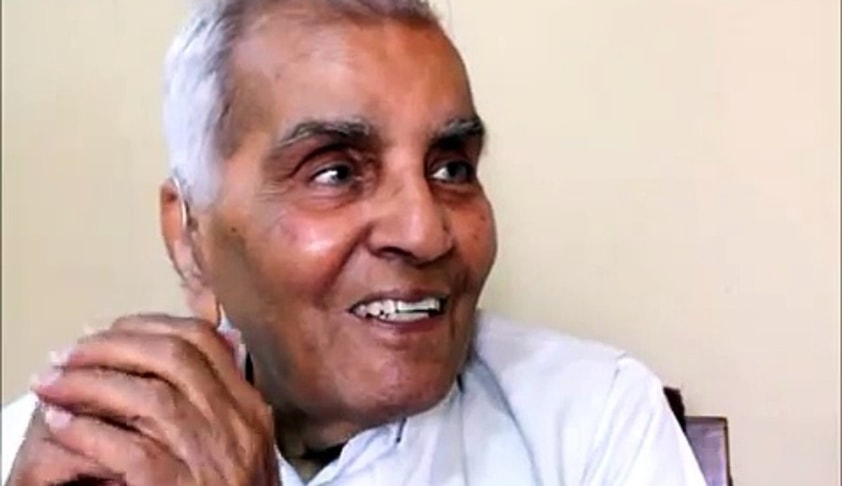
Justice Rajindar Sachar: The Jurist and Crusader for Human Rights
Justice Rajindar Sachar was a stalwart and legend of his generation. He commanded respect, both as a Judge as well as a Jurist. Above all, he was known and will be remembered as a fine and wonderful human being. His laurels speak for themselves. A man always at the forefront in the fight to protect human rights, he had the natural ability to connect with the marginalized and thus become treasured by the young people. His innate compassion for the poor and the deprived was something that...
PIL Profile Check: Curious Case Of Asok Pande,The Man Who Sought Regulation Of Powers Of CJI As ‘Master Of Roster’
“In public interest litigation (PIL), the previous record of public service of litigant can be examined by the Court”- Kalyaneswari v. Union of India (2011) 3 SCC 287Asok Pande, the petitioner who filed the Public Interest Litigation seeking regulation of powers of CJI as ‘Master of Roster’, would not have been permitted to set foot in the SC, if the above test of the previous record of public service was rigorously applied to him. Because, he has a record of filing frivolous and scandalous...
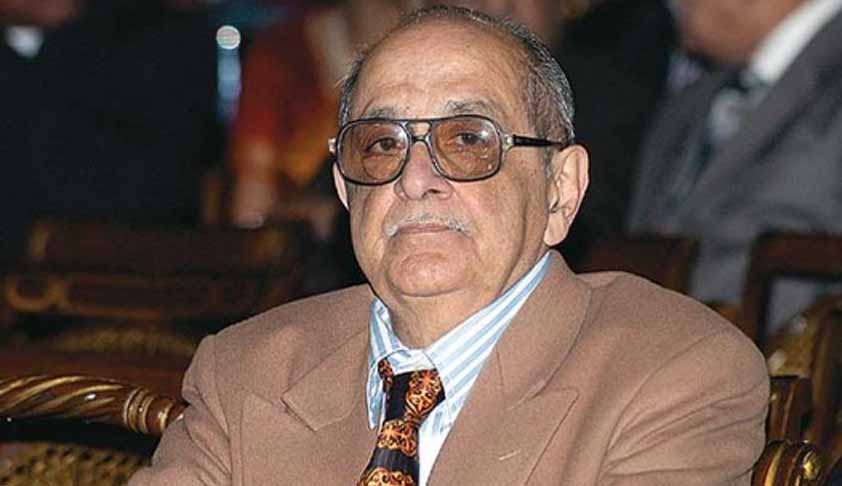
Lump It Not, Sir, Kindly Speak Up!
The nation has been eagerly observing the developments in the Supreme Court of India ever since the Judges’ press conference. It is in this light that the renowned Jurist Fali S. Nariman exhorted, “Lump it! Wait till CJI retires.” (The Indian Express, April 17)Nariman does not – and probably would not – contest the apprehensions raised by the four judges. In his memoir Before Memory Fades ((pg.169) he acknowledges the possibility of judges being “hand-picked” and he happily recollects how,...

FB, Its Content Regulation Policies & Photo-Matching Tech: Boon Or Bane For Indian Women From Privacy Law Aspects
Very recently, in the wake of news about social media giant Facebook’s data policy lapse, billions of Facebook users were made to realize that no private information could be ‘secured’ even within under the click-wrap agreement between Facebook and the user which promises no exposure of data to third party. As if this was not enough, the news about possible privacy breach by Facebook by way of application of photo scanning and facial recognition tool has further created an impression that...
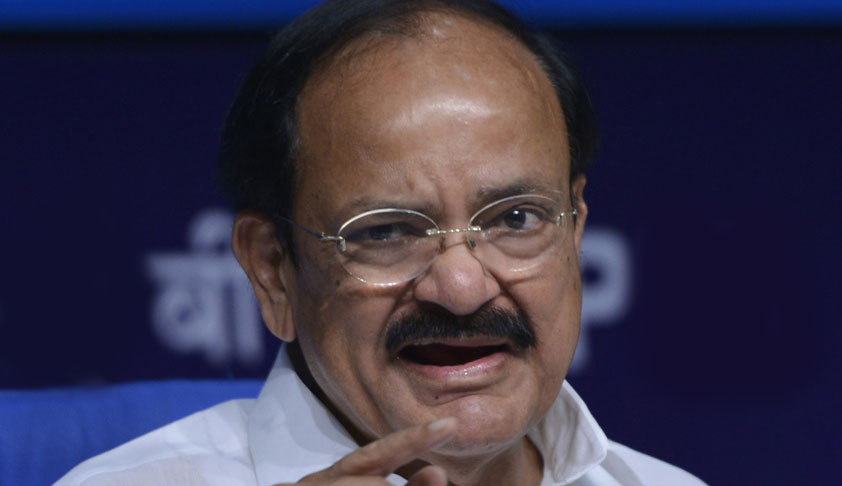
Putting The Cart Before The Horse : When RS Chairman Rejected Impeachment Motion Against CJI For Not Proving Allegations
“Inquiry : A formal investigation into facts.Investigation : Systematic collection of evidence to discover and examine facts to establish truth.(Webster’s dictionary)” We know that we are living in post-truth world when prayers for investigation or inquiry are thrown out summarily at the threshold by constitutional functionaries stating that the allegations are not proved, conveniently ignoring that inquiry/investigation is sought to apply the specialized tools and agencies at the disposal of...

Death With Dignity – Making The Case For A Universal Right
On March 9, 2018, a Constitution Bench of the Supreme Court of India, in four separate opinions[1], affirmed the right of individual suffering from a terminal illness to ‘die with dignity’ by allowing passive euthanasia on compassionate grounds and setting out the procedure for making advance directives in this regard[2]. While this judgment is a hugely welcome step in the path of affirming the right to self-determination in our country, this article highlights that there is still a ways to go,...