




BNSS/CRPC

Courts Releasing Illegally Arrested Accused Must Permit Same Day Re-Arrest After Compliance With Formalities: Kerala High Court
The Kerala High Court recently directed that courts, releasing an illegally arrested accused, must permit police to re-arrest accused on the same day after compliance with procedural formalities. [2026 LiveLaw (Ker) 506]Justice A. Badharudeen held:“all Criminal Courts shall ensure that while setting an accused at his liberty, finding his arrest as illegal, the Courts shall pass an order on...
Kerala High Court Grants Pre-Arrest Bail To Woman Accused Of Throwing Newborn Baby From Hospital Window, Says 'Intent' Not Shown
The Kerala High Court recently granted pre-arrest bail to a 20-year-old woman booked for attempted murder of newborn, who she threw out of the window after giving birth in the hospital bathroom. [2026 LiveLaw (Ker) 510]Dr. Justice Kauser Edappagath noted that there were no materials suggesting that the woman intended to cause the death of the child and that she did not have any...
Bail Applications Without Details Of Criminal Antecedents, Prior Pleas Not To Be Numbered: Kerala High Court
The Kerala High Court has directed that bail applications not disclosing criminal antecedents and details of prior bail pleas as mandated by the Apex Court in Zeba Khan v. State of U.P. and Others, cannot be numbered. [2026 LiveLaw (Ker) 504]Dr. Justice Kauser Edappagath observed that bail applications rarely comply with the afore directions and the administrative mandate contained in the...
NDPS Conviction Can't Be Recorded Mechanically On Guilty Plea: Manipur High Court Criticises 'One & Half Line' Conviction Order
The Manipur High Court has set aside an NDPS conviction after finding that the Special Court failed to properly exercise the discretion vested in it under Section 229 of the Code of Criminal Procedure, 1973 while convicting the accused on her plea of guilty. The Court observed that the conviction order was merely “one and half line”, indicating that the trial Judge had not undertaken...
High Rich Ponzi Case: Kerala High Court Directs Special Court To Reconsider Prime Accused's Bail After ED Challenge
The Kerala High Court in a recent order, directed the Special Court for PMLA cases, Ernakulam to consider afresh the bail application of K.D. Prathapan, the prime accused in the High Rich Pozhi Scheme case, while considering a plea preferred by the Directorate of Enforcement to cancel the bail granted. [2026 LiveLaw (Ker) 500]Justice C.S. Dias directed the Special Court to reconsider...
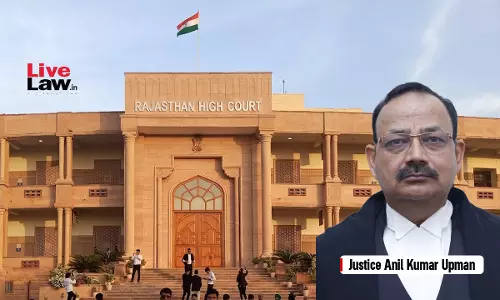
'Substratum Of Dispute No Longer Exists': Rajasthan High Court Quashes Rape, POCSO FIR After Marriage Between Parties
The Rajasthan High Court has allowed quashing of an FIR for the offence of rape and under POCSO Act, on the ground of compromise reached between parties, taking into account the past cordial relationship between them as well as their marriage and consequentially bleak chances of successful prosecution. The bench of Justice Anil Kumar Upman opined that it was highly unlikely that the victim...

Part-Heard Criminal Trial Can Be Transferred; Accused Cannot Insist On Same Judge Continuing Case: Karnataka High Court
The Karnataka High Court has held that a part-heard criminal trial which has not crossed stage of examination of accused, final arguments nor has been reserved for judgment can be transferred to another court and in such circumstances accused cannot insist upon the same presiding officer to continue hearing his case. Referring to judgments, Justice M. Nagaprasanna said that in the...
Single Grave Act Can Constitute 'Cruelty' Under S. 498A IPC, Series Of Acts Not Necessary: Kerala High Court
The Kerala High Court recently held that a single grave act of cruelty can constitute the offence under Section 498A IPC and that a series of acts are not necessary. [2026 LiveLaw (Ker) 497]Justice Jobin Sebastian observed:“not every instance of harassment, disagreement, or ill-treatment between spouses would, by itself, constitute “cruelty” within the meaning of Section 498A of...
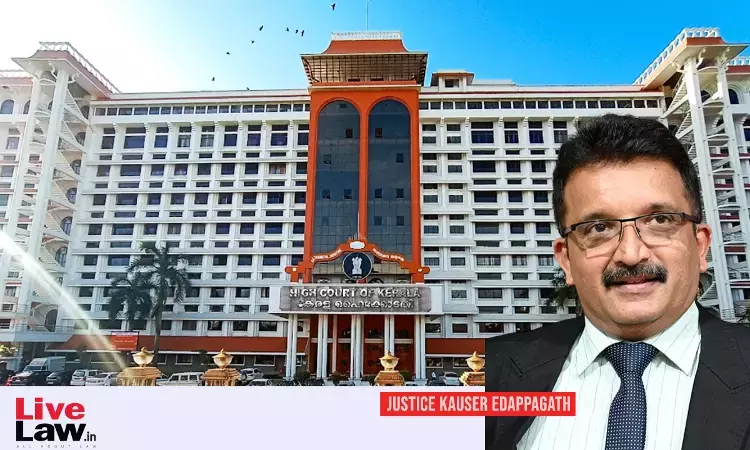
Kerala High Court Grants Pre-Arrest Bail To 17 SFI Activists Booked For Assaulting University VC Ciza Thomas
The Kerala High Court on Friday (September 11) granted anticipatory bail to 17 SFI activists and students of Sree Sankaracharya University of Sanskrit, Kalady for allegedly restraining and assaulting their Vice-Chancellor Dr. Ciza Thomas during a campus protest. [2026 LiveLive (Ker) 496]A detailed order is awaited.Dr. Justice Kauser Edappagath passed the order granting bail to the students,...

Loud Shouting Between Two Persons On Street Doesn't Make Out Cognizable Offence: Bombay High Court Quashes FIR
The Bombay High Court has held that merely shouting loudly at each other on a public street, without any other specific allegation, does not make out a cognizable offence under Section 85(1) of the Maharashtra Prohibition Act, 1949. The Court observed that apart from the allegation that the accused were shouting at each other loudly, there was no allegation of obscenity, depravity or...
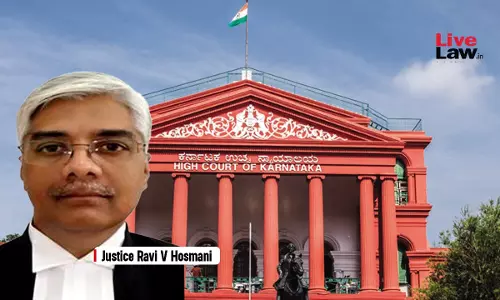
Karnataka High Court Upholds FIR Against Ex-SP Accused Of Hurling Paperweight At Subordinate For Missing Sports Activities
The Karnataka High Court has recently refused to quash an FIR against former Superintendent of Police of Chikkamagalur district [accused no.1] accused of hurling a paperweight at a subordinate officer during over being allegedly absent from sports activities. [2026 LiveLaw (Kar) 348]However, the single judge bench of Justice Ravi V Hosmani has quashed the FIR against the former Inspector...
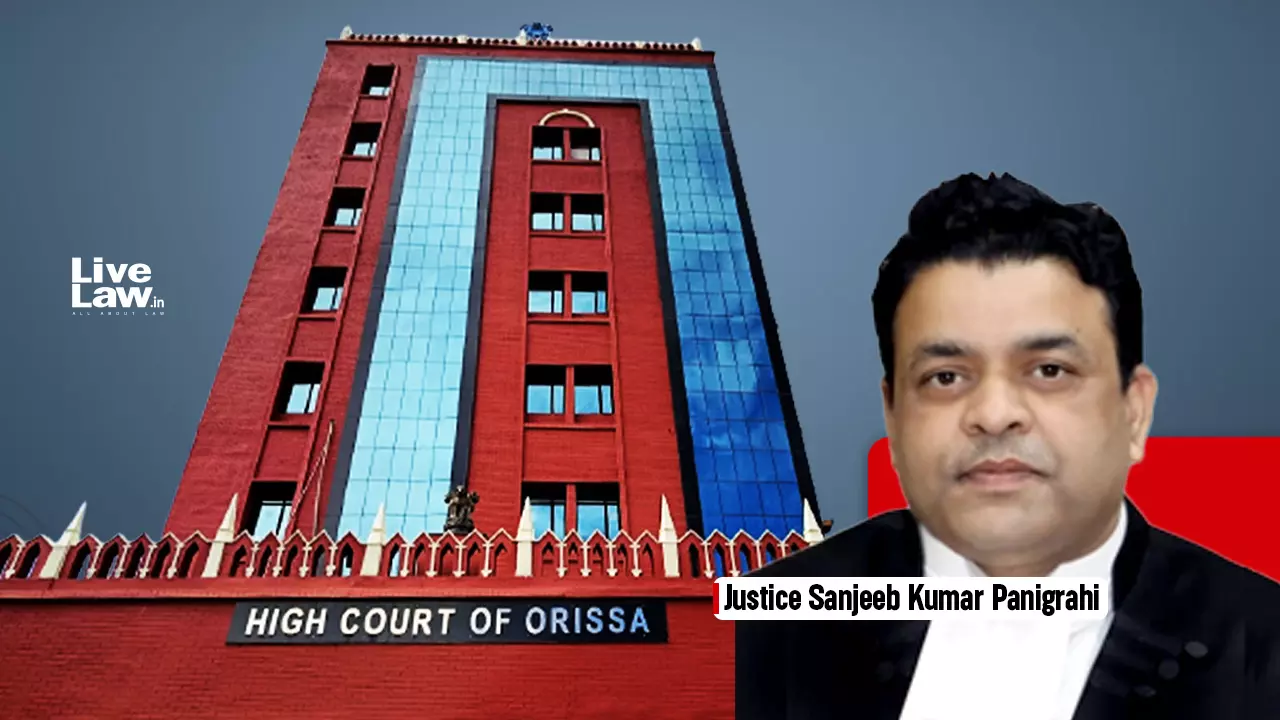
S.262(1) BNSS | Not Mandatory To Wait 60 Days For Framing Charge But 'Reasonable Interval' Be Given For Seeking Discharge: Orissa High Court
The Orissa High Court has ruled that the sixty-days period provided to accused for filing discharge application under Section 262(1) of the Bharatiya Nagarik Suraksha Sanhita (BNSS) is not a rigid or non-negotiable “moratorium” and that trial court may proceed to frame charge after allowing a “reasonable interval” to elapse after supply of police papers to accused under Section 230 of...