Employee Dismissed Solely On Conviction Is Entitled To Reinstatement & Back Wages From Date Of Acquittal & Not Dismissal: Andhra Pradesh High Court
Namdev Singh
28 Nov 2026 6:30 PM IST
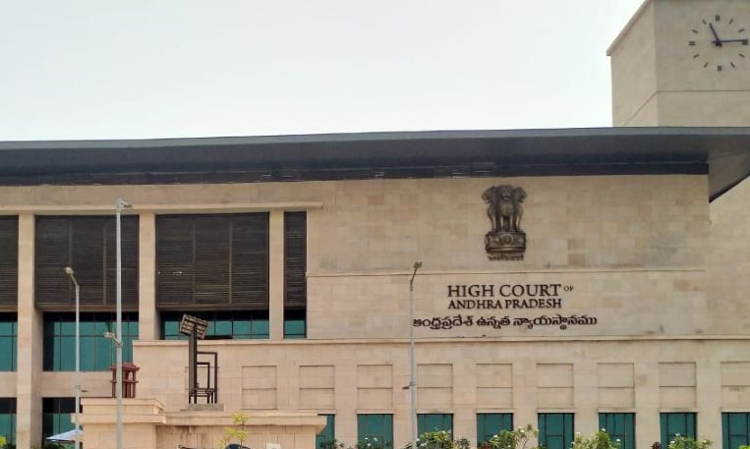
A Division Bench of the Andhra Pradesh High Court comprising Justice Ravi Nath Tilhari and Justice Alapati Giridhar held that back wages are payable from the date of acquittal (setting aside of conviction), not from the date of dismissal from service, because the dismissal was based solely on the conviction and the employer unlawfully failed to reinstate the employee after acquittal.
Background Facts
The employee was working as a Regular Mazdoor at the Valluru Telephone Exchange under BSNL during 1992–98. He was implicated in a cable theft case registered at Achanta Police Station under Section 379 IPC. He was arrested and, after regular trial, convicted. He was sentenced to one year of rigorous imprisonment.
Due to this conviction, the department initiated departmental proceedings and dismissed him from service on 3 March 2001 under Rule 19 of the CCS (CCA) Rules, 1965. The employee challenged his conviction in Criminal Appeal. The Additional District and Sessions Judge, Fast Track Court allowed the appeal on 18 May 2004, setting aside the conviction.


The dismissal was based solely on the conviction. Therefore, the employee filed a writ petition claiming reinstatement with back wages and consequential benefits.
The writ petition was transferred to the Central Administrative Tribunal. The Tribunal allowed the application on 13 July 2012. The Tribunal directed reinstatement and back wages from the date of setting aside the conviction. It treated the period from dismissal till acquittal as period not spent on duty.
Aggrieved by the Tribunal's order, BSNL filed a writ petition before the Andhra Pradesh High Court.
It was argued by the BSNL that the employee was not entitled to back wages at all. It was further submitted that the back wages could be granted only if the department had taken action by way of disciplinary proceedings and that action was found to be unsustainable in law i.e. the employee was unlawfully prevented from discharging his duties.
On the other hand, it was argued by the employee that he was convicted but the appeal was allowed and the conviction was set aside. Consequently, he was entitled for reinstatement. The very basis of the order of dismissal was the conviction. Therefore, he was entitled for the back wages.
Findings and Observations of the Court
It was observed by the Division Bench that the employee was convicted in a criminal case. The departmental enquiry dismissed him from service on the ground that his conduct had led to his conviction and rendered his further retention in public service undesirable. The conviction was set aside therefore, the employee was reinstated in service.
It was further observed that after the conviction was set aside, the employee was not allowed to discharge his duties. Consequently, it was the BSNL that deprived the employee illegally of discharging his duties with effect from the date of setting aside of his conviction in appeal.
It was observed by the Bench that the BSNL ought to have immediately reinstated the employee and revoked the dismissal order. Consequently, the back wages from the date of setting aside the conviction order till the date of reinstatement had rightly been directed by the Tribunal.
It was held by the Division Bench that for the period the employee was under conviction and sentence, he would not be entitled to back wages. In such conviction period, it cannot be said that he was deprived of working by BSNL. But after his acquittal, he was entitled to reinstatement and back wages from the date of reinstatement.
It was further held that reinstatement should have been immediately ordered, as his dismissal in departmental proceedings was based solely on conviction. Consequently, the employee was held entitled to back wages from the date of acquittal.
With the aforesaid observations, the order of the Tribunal was upheld by the Division Bench. Consequently, the writ petition filed by the BSNL was dismissed by the Division Bench.
Counsel for the Petitioners : K. Aruna
Counsel for the Respondents : C. Rahda, counsel representing Vadapalli Ramesh