




Labour & Service

'Army's Burden To Prove Disability Was Not Due To Service' : Supreme Court Dismisses Union's Appeals Against Disability Pension
The onus to prove that the member's disability is not attributable to service still lies on the employer, even after the 2008 rules, the Court noted.
EPF Act | Whether Penalty For Delayed Provident Fund Deposit Is Mandatory? Supreme Court Refers To Larger Bench
The Court doubted its 2022 precedent which held that penalty is automatic and there was no discretion on the EPF authority to waive it.
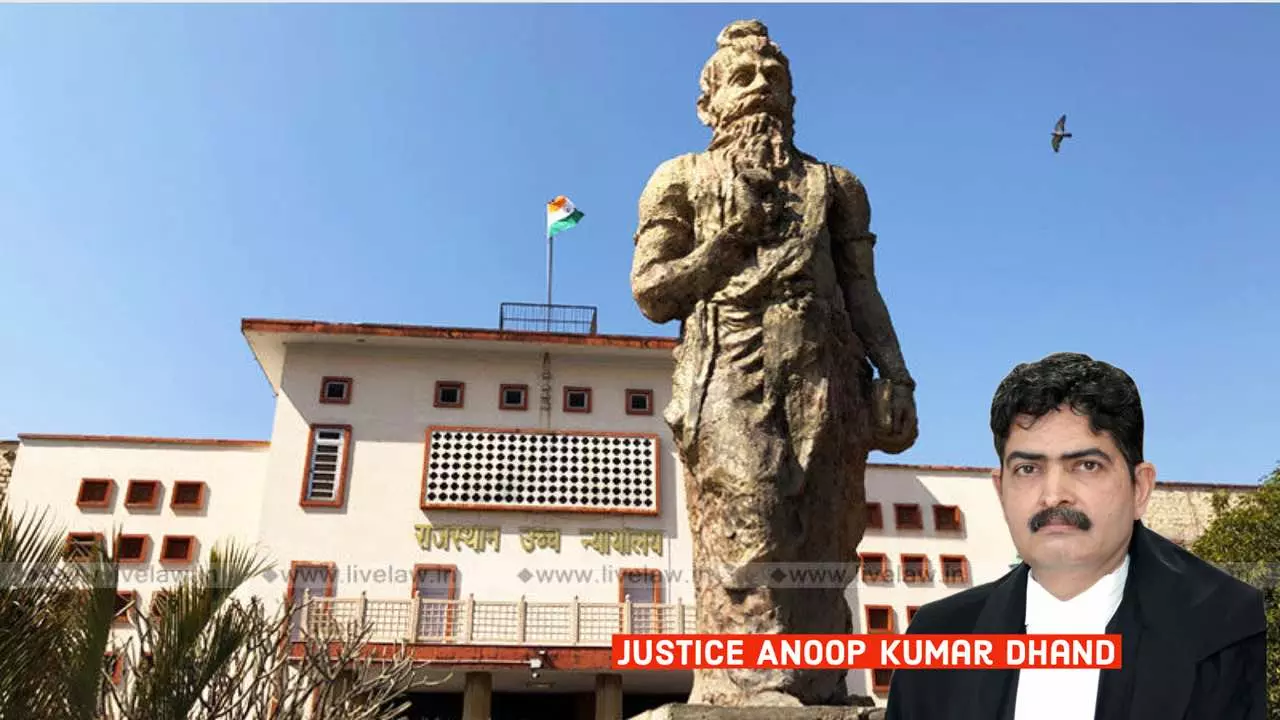
Permanent Lok Adalat Has No Jurisdiction Over Service Matters: Rajasthan High Court Quashes Award Granting Benefits From 1978
The Rajasthan High Court has set aside an order of a Permanent Lok Adalat (PLA) in dispute relating to service benefits, opining that the jurisdiction of PLA could only be invoked for redressal of grievances that dealt with “public utility services” as defined under Section 22A(b) of the Legal Services Authorities Act, 1987 (the “Act”).The bench of Justice Anoop Kumar Dhand was...
Orissa High Court Reinstates Judge, Says Resignation Over Lack Of Medical Facilities For Autistic Son Was 'Not Voluntary'
The Orissa High Court has ordered reinstatement of a female Judicial Officer who was relieved from service by the Government in January 2023 even after urging the High Court on the administrative side to not accept her resignation letter, which she sent earlier citing lack of therapy facilities for her autistic child at the then place of posting. [2026 LiveLaw (Ori) 109] A Division Bench...
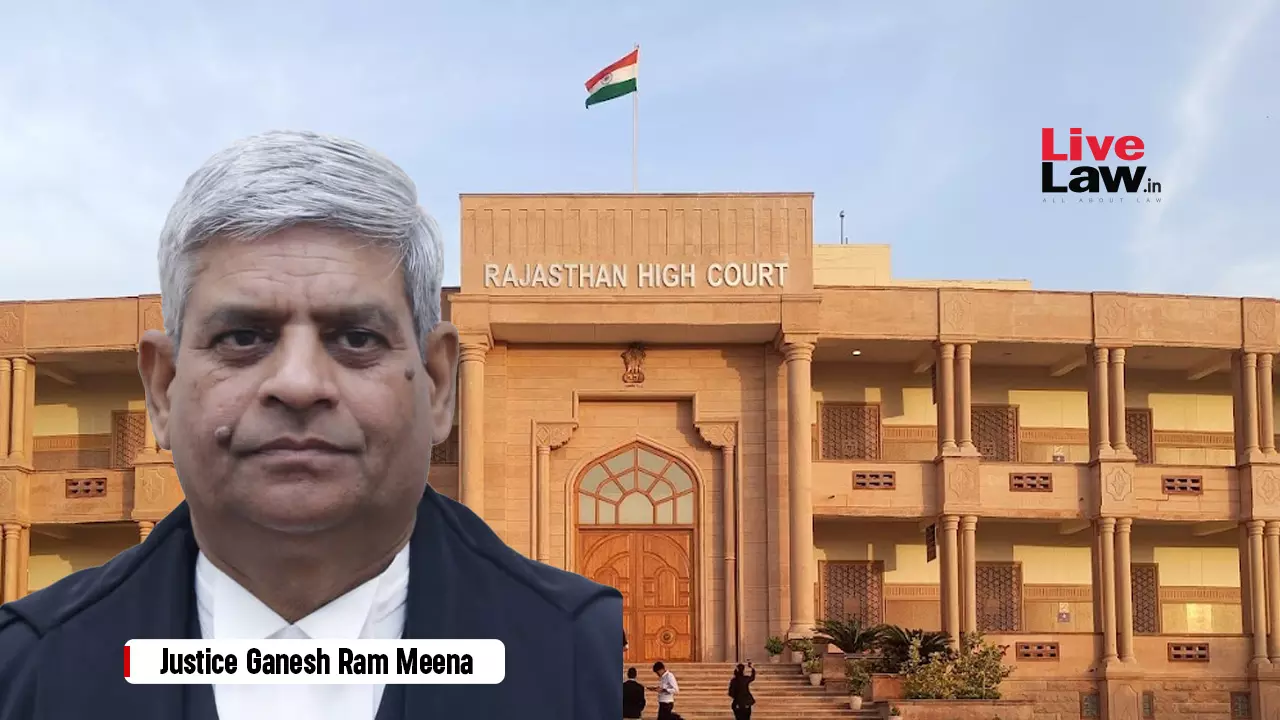
Rajasthan High Court Bars Declaration Of Assistant Professor Recruitment Results Over Objections To Answer Key
The Rajasthan High Court has stayed the declaration of final results of the selected candidates in the recruitment process to the post of Assistant Professor (English). The bench of Justice Ganesh Ram Meena was hearing a petition that alleged that the State proceeded ahead in the recruitment process without considering the objections raised to the model answer key published on 31.12.2025...
Govt Dispensary In-Charge Responsible For Records, Can't Blame Subordinate: Rajasthan High Court Upholds Doctor's Compulsory Retirement
While upholding penalty imposed on an in-charge of a Government Ayurvedic Dispensary, Rajasthan High Court observed that failure on part of the petitioner's subordinate in carrying out his duties, did not absolve the petitioner from all his responsibilities, especially when nothing on record suggested any action taken against the subordinate.The bench of Justice Anand Sharma was hearing...
RTE Act | Assistant Teacher's Appointment Without TET Saved If Qualification Acquired Before 31.03.2015 Deadline: Allahabad High Court
The Allahabad High Court has held that the appointment of an Assistant Teacher who did not possess the Teacher Eligibility Test (TET) qualification at the time of appointment is saved where the teacher clears the TET before 31.03.2015, the time limit available under the first proviso to Section 23 of the Right of Children to Free and Compulsory Education Act, 2009 and the State's Government...
Conversion Of Charge From Serious To Non Serious Provision Shall Not Relate Back To Date Of Charge, Cant Consider For Promotion:Madras High court
A Division Bench of the Madras High Court comprising Justice M.Dhandapani and Justice N.Dilip Kumar held that the conversion of a disciplinary charge from Rule 17B to Rule 17A does not relate back to the original charge memo date, and the currency of a censure punishment bars promotion consideration under the Tamil Nadu Government Servants Conditions of Service Act, 2016. [2026 LiveLaw...
Subsequent Ratification By Police Establishment Board Can Cure Prior Procedural Defect In Police Transfer Order: Karnataka High Court
A Division Bench of the Karnataka High Court comprising Justice D K Singh and Justice H.Shanthi Bhushan held that a transfer order issued without prior approval of the Police Establishment Board can be cured by subsequent ratification, and a transfer before completion of the minimum tenure is not illegal if approved by the competent authority. Background Facts The...
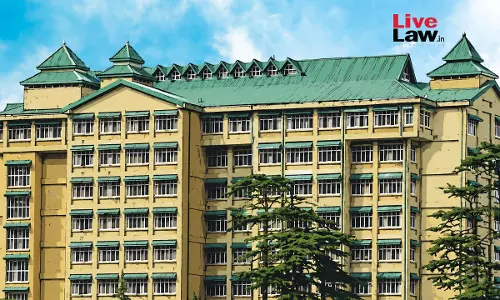
Improved Marks In Revaluation Relate Back To Date Of Original Qualification & Must Be Considered In Merit: Himachal Pradesh High Court
A Division Bench of the Himachal Pradesh High Court comprising Chief Justice G. S. Sandhawalia and Justice Chirag Bhanu Singh held that improved marks obtained through re-valuation or re-examination relate back to the date of the original qualification and must be considered for eligibility/merit. Background Facts The appellant had applied for the post of 'Van Mitra'. He had...
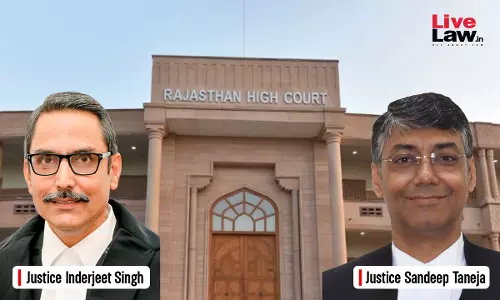
Rajasthan High Court Disposes PIL Seeking Appointment Of Art Teachers In Govt Schools, Notes State's Compliance With RTE Act
The Rajasthan High Court has disposed of a PIL filed in 2018, seeking directions for regular appointment of Art Teachers (Drawing and Music) in government schools, alleging that the existing teachers who were imparting Arts education to students were not graduate in Art. The division bench of Justice Inderjeet Singh and Justice Sandeep Taneja took note of the affidavit filed by the State as...
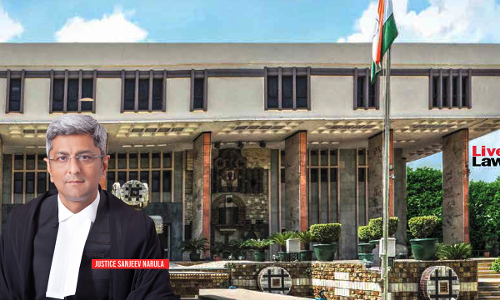
Unproven Misconduct No Ground To Deny Back Wages Entirely; Delhi HC Grants 50% Relief
A Delhi High Court Bench comprising Justice Sanjeev Narula held that the Delhi School Education Rules, 1973, Rule 121 mandates that the Managing Committee must make a reasoned, fair determination on back wages upon reinstatement, and cannot deny wages based on unproven allegations or assumptions. [2026 LiveLaw (Del) 837] Background Facts The Petitioner was an Assistant Teacher at...