




Law School Articles
Algorithmic Deactivation, Article 14 And Karnataka Gig Worker Litigation
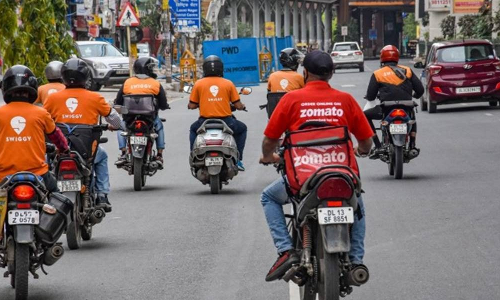
The IssueOn 29th June 2026, IAMAI and several major platform companies, including Swiggy, Zepto, Eternal Ltd. (which operates Zomato and Blinkit) and Urban Company, filed a writ petition before the Karnataka High Court. The petition seeks to declare the Karnataka Platform-Based Gig Workers (Social Security and Welfare) Act, its Rules, related notifications and enforcement notices unconstitutional and liable to be quashed[1]. Among the notices the petition asks the Court to quash is one dated...
Custodial Turn In India's Foreign Contribution Regulation Amendment, 2026
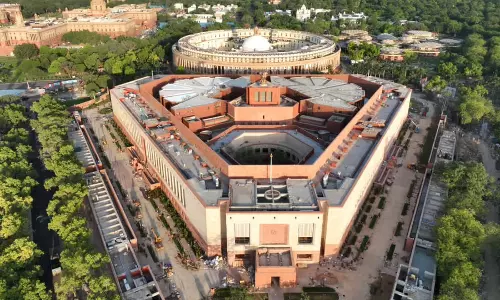
The Foreign Contribution (Regulation) Amendment Bill, 2026, (“2026 Amendment”) was introduced in Lok Sabha on 25 March 2026, which marked an overhaul of the regime put in place under the Foreign Contribution (Regulation) Act, 2010 (“Parent Act”).While the 2020 amendment dealt with the conditions of allowing and spending foreign contribution, the 2026 Amendment deals with what happens to the assets of the concerned entity once the registration is cancelled or surrendered or is deemed to have...
Linda Sema Ruling: Closing One POCSO Reporting Loophole, Opening Another?
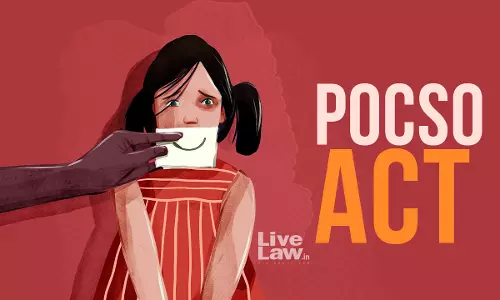
An appeal was raised in front of the Supreme Court of India by the mother of a 7-year-old girl who was assaulted at school against the discharge of the headmistress. The said headmistress had firsthand knowledge about the offence but conducted a private investigation along with the school staff, amounting to nothing, and allegedly decided to suppress the information. The Supreme Court of India, in its judgment dated July 9, 2026 (AAA v. Linda Sema & Ors., SLP (Criminal) No. 4772 of 2024),...
When Private Power Becomes Public: Rethinking Horizontal Rights In India
For a long time, the Indian Constitution has been understood as a safeguard against the misuse of State power. The idea was simple: fundamental rights exist to protect individuals from arbitrary action by the government. As a result, constitutional remedies have traditionally been available only when the State, or an authority falling within Article 12 of the Constitution, violated these rights. However, the nature of power has changed significantly over the years. Today, many decisions that...
Beyond Celebrities: Can Ordinary Citizens Claim Personality Rights?
Imagine a morning you wake up and find out your face is starring in a viral AI–generated advertisement for a product you never heard of, or a frantic call from your parents because a cloned version of you practically begged them for money over WhatsApp. For thousands of ordinary citizens like us, it is not a digital identity crisis but a reality. The new type of risk has emerged as a result of the development of generative AI, deepfakes, face-changing apps and social media culture.This issue...
Supreme Court Rescues Arbitration Limitation Clock From Maintainability Trap
A Procedural Nightmare Finally Laid to RestAsk any arbitration practitioner who has managed a post-award correction under Section 33 of the Arbitration and Conciliation Act, 1996, and they will describe the same dilemma. A Section 33 application has been filed. The tribunal is considering it. Limitation under Section 34(3) is ticking. Does the party wait for the tribunal to dispose of the application, or does it simultaneously file a Section 34(1) petition in court, purely as a safeguard against...
Dancing Girl's Disappearing Torso: NCERT's Self-Censorship
In June 2026, something unusual turned up in Madhurima, the new Class 9 Arts Education textbook that NCERT introduced under the National Education Policy. The Dancing Girl of Mohenjo-daro, a bronze figurine roughly 4,500 years old and among the most recognisable artefacts to survive the Indus Valley Civilisation, appeared in the book with her torso shaded over, giving her the appearance of being clothed. The original carries no such covering and sits, unaltered, in the National Museum in New...
LiveLaw Editorial Guidelines For Article Submissions
LiveLaw publishes original, timely legal article that offers clear value to practitioners, academics, students and litigants. Owing to the volume of submissions, articles are assessed against the following editorial standards.I. Submission Categoriesa) General ArticlesLegal developments, legislation, policy and other areas of law.b) Law Firm ArticlesContributions by law firm partners, associates, general counsel and other legal professionals.c) Law School ArticlesContributions by law...
Words Are Not Enough: Every Clause Containing 'Arbitration' Is Not An Arbitration Agreement
Commercial Contracts are the reflection of the trust parties place in a legal framework to protect their interests. When this trust of parties breaks down, among the many clauses of the commercial agreement ('agreement'), the dispute resolution clause occupies a position of singular importance. In recent times, Arbitration has emerged as one of the most preferred mechanisms owing to its flexibility, confidentiality, procedural efficiency, and party-driven nature. The result has been the...

From Anurudh's Postscript: Why Proposed POCSO Romeo-Juliet Exception Needs Grooming Test
The recent Supreme Court's necessitated postscript in State of Uttar Pradesh v. Anurudh, advocated for a "Romeo-Juliet" exception for genuine peer relationship. It was in response of the critical problem in India's Protection of Children from Sexual Offences (POCSO) Act. This is reflected by a 93.8% acquittal rate in cases categorized as "romantic". This suggests that the law often punishes adolescent “autonomy” rather than addressing actual victimization. However, there exists a critical...
Regulating Gatekeepers Across Borders: Apple-Meta Dispute And Limits Of International Competition Law
In April 2025, the European Commission (“EU”) issued its first ever fines under the Digital Markets Act (“DMA”) against Apple for violating app store obligations and €200 million against Meta over its 'pay or consent' advertising model, which required European users to either accept personalised advertising or pay for ad-free access to Facebook and Instagram. The fines followed yearlong investigations into conduct of the companies on European markets. Apple condemned the measures as coercive and...
Who Counts As A “Member”?
The Supreme Court Reads Substance into the Oppression RemedyIn a significant reaffirmation of the equitable foundations of company law, the Supreme Court has held that an investor whose name does not appear in the register of members may still maintain a petition alleging oppression and mismanagement, so long as the company's own conduct recognises him as a stakeholder. On 4 May 2026, a Division Bench comprising Justice Pamidighantam Sri Narasimha, who authored the opinion, and Justice Alok...