




OTHERS
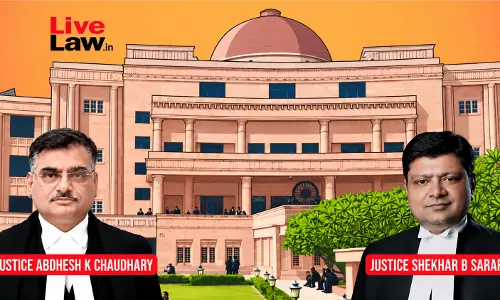
'Deeply Regrettable': Allahabad High Court Flags Repeated Litigation Over PwBD Eligibility For MBBS, Says Boards Can't Re-Assess Disability
The Allahabad High Court has held that the Medical Assessment Board constituted under the National Medical Commission's guidelines for admission of persons with benchmark disabilities to the MBBS course cannot re-determine the percentage of disability already certified under Section 57 of the Rights of Persons with Disabilities Act, 2016. It held that the Board's mandate is confined to...
State Can't Cancel Finalised Tender Due To Its Own Error In Mentioning Performance Bank Guarantee: Allahabad High Court
The Allahabad High Court has held that a tendering authority cannot cancel a tender at an advanced stage merely because it had wrongly fixed the Performance Bank Guarantee (ePBG) in the bid document. It held that the ePBG is a performance security with no bearing on a bidder's eligibility or ranking, and an error in it can be corrected without re-tendering.The bench of Justice Shekhar B....
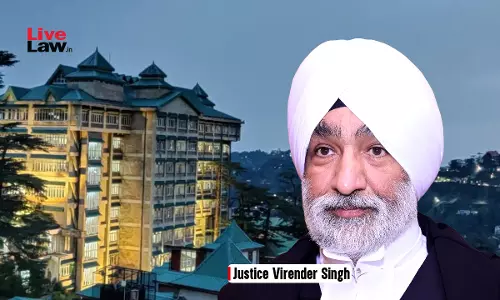
Executing Court Cannot Revisit Issues Already Settled By Final Decree: HP High Court Dismisses Challenge To Execution Of 99-Year Lease
The Himachal Pradesh High Court has held that an executing court cannot re-consider or re-decide issues that have already been adjudicated by the trial and appellate courts and have attained finality. The Court observed that the jurisdiction of an executing court is confined to matters concerning the execution, discharge or satisfaction of the decree, and dismissed a challenge against...

'Failed To Prove Karta Sold Ancestral Property Without Legal Necesssity' : Supreme Court Restores Dismissal Of Partition Suit
The Supreme Court has recently set aside a Karnataka High Court judgment that had decreed a suit for partition, holding that the plaintiffs had failed to prove that the sale of ancestral property by the karta was not backed by legal necessity, and that the failure of karta's wife to enter the witness box justified drawing an adverse inference against the plaintiffs.A bench of Justice...
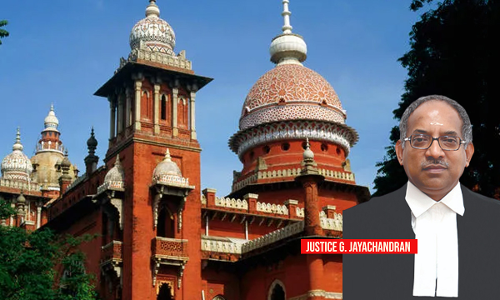
Exclusive Possession, Receipt Of Income Supports Presumption Of Other Co-Owners' Ouster: Madras High Court
The Madras High Court recently held that exclusive possession of property by one co-owner and enjoyment of rent and income from the property would lead to a presumption of ouster with respect to the other co-owners. [2026 LiveLaw (Mad) 459] Justice G Jayachandran relied upon the decisions of a division bench of the Madras High Court in 1970 and the decision of the Privy Council in 1919...
E-Mitra's Alleged Error Can't Help Candidate Who Failed To Correct Caste Category Within Permitted Window: Rajasthan High Court
The Rajasthan High Court has dismissed the petition filed by a candidate for the post of Class-IV teacher, who was seeking change of her category from OBC to General while contending that the mistake was inadvertent committed by the e-mitra operator who filled her form, and was not deliberate on her part. The division bench of Justice Vinit Kumar Mathur and Justice Sandeep Shah affirmed that...
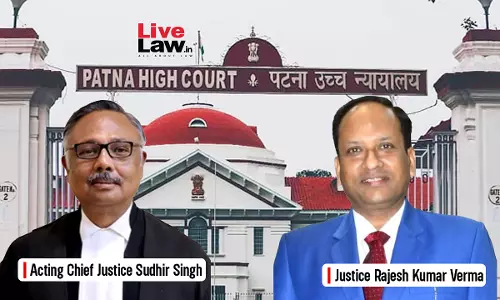
Participating In Tender “Under Protest” Cannot Justify Challenge To Conditions After Unsuccessful Bid: Patna High Court
The Patna High Court has held that merely participating in a tender process “under protest” does not justify a subsequent challenge to the tender conditions after the bidder's bid has been rejected.A Division Bench of Acting Chief Justice Sudhir Singh and Justice Rajesh Kumar Verma was hearing a writ petition filed by Adyaraj Developers Pvt. Ltd. challenging an eligibility...

Inter-Religion Marriage Also Entitles Couple To Benefits Under Inter-Caste Marriage Reservation: Kerala High Court
The Kerala High Court has observed that an inter-religion marriage must also be taken into consideration for Inter-Caste Marriage reservation benefits.[2026 LiveLaw (Ker) 522]Justice Harisankar V. Menon made the observation while considering a writ petition filed by a person who sought appointment to the post of farm employee under the 'Inter-Caste Marriage' reservation category.The...
Ghee Adulteration Case: Gujarat High Court Upholds Dairy Owner's Acquittal As Mandatory Sampling Procedure Not Followed
The Gujarat High Court has upheld a trial court court order acquitting a diary farm owner who was booked for selling adulterated ghee after finding that none of the requirements provided for drawing the sample of 'Pure Ghee' under The Prevention of Food Adulteration Rules had been followed. [2026 LiveLaw (Guj) 254]In doing so the court noted that it was not proved that the container...
UP Revenue Code | Examination Of Revenue Officials Not Mandatory Unless State Adopts Rishi Pal Singh Guidelines: Allahabad High Court
The Allahabad High Court has held that the guidelines laid down by its bench in Rishi Pal Singh v. State of U.P. for proceedings under Section 67 of the U.P. Revenue Code, 2006 are not mandatory unless adopted by the State, and an eviction order cannot be assailed merely because they were not followed. Relying on the Coordinate Bench decision in Shahban v. State of U.P., the Court held that...
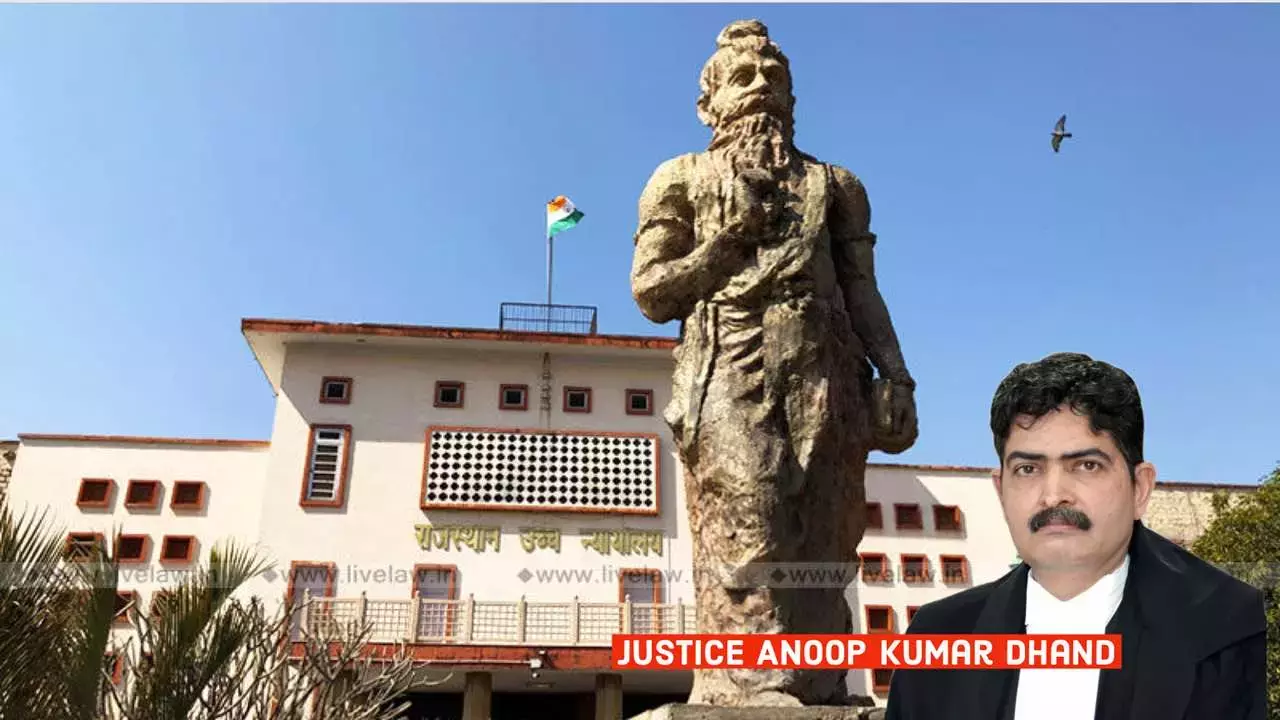
Rajasthan High Court Sits On Holiday, Protects Candidate From Arrest Hours Before Municipal Chairman Poll
Hours before the scheduled election for Chairman of the Kekri Municipal Board in Ajmer, the Rajasthan High Court on Monday (September 21) granted interim protection from arrest to a contesting candidate who apprehended that he would be arrested and prevented from participating in the poll.The petition was heard on a public holiday, with Justice Anoop Kumar Dhand observing that doors of the...
Once Appeal Admitted By HC, Subsequent Transfer To District Court Doesn't Trigger Fresh Limitation: Gujarat High Court
The Gujarat High Court has held that a first appeal against a civil suit decree which was earlier admitted, numbered and later transferred by the high court to the trial court pursuant to enactment of Gujarat Civil Courts Act retains its original status and is not barred by limitation. [2026 LiveLaw (Guj) 253]In doing so the court held that it cannot be said that such transferred appeals...