


Supreme court
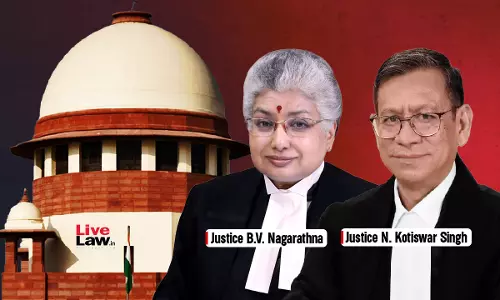
Supreme Court Upholds Dual Taxation On Broadcasting, Says States Can Levy Entertainment Tax Alongside Centre's Service Tax
While upholding the State's authority to impose entertainment tax on broadcasting services like cable TV, digital streaming, and OTT platforms, the Supreme Court held that both the Centre and the State are empowered to levy service tax and entertainment tax, respectively, on assessees such as cable operators and entertainment service providers.The bench of Justices BV Nagarathna and N...
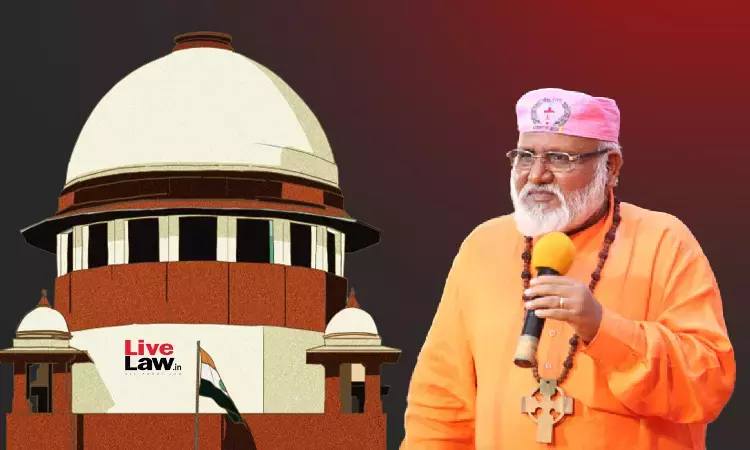
'Abuse Of Process' : Supreme Court Quashes UP Gangster Act FIR Against SHUATS University Director
The Supreme Court today (May 23) quashed the two first information reports registered against Vinod Bihari Lal, the Director of Sam Higginbottom University of Agriculture Technology and Science (SHUATS), Prayagraj, under the Uttar Pradesh Gangsters and Anti-Social Activities (Prevention) Act, 1986. It stated that the said FIRs were nothing but an abuse of the process of law. "It cannot...
'Last Seen' Alone Insufficient For Conviction Without Corroboration, Supreme Court Acquits Man In Murder Case
Observing that the "last seen together" theory alone is not enough to sustain a conviction unless supported by other compelling evidence, the Supreme Court acquitted a man who was convicted just because the deceased was last seen with the accused, and the time gap between the last sighting and the death was unclear. The bench of Justices Sanjay Karol and Prashant Kumar Mishra set aside...

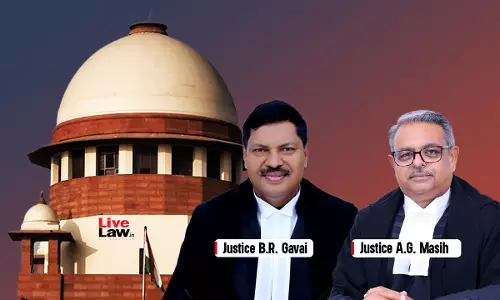
'In Matters Of Personal Liberty, High Courts Can't Keep Matter Pending For Long': Supreme Court Grants Bail After 27 Adjournments By HC
The Supreme Court today (May 22) granted bail in a special leave petition specifically on the ground that the Allahabad High Court, which was dealing with the bail application of the present petitioner, adjourned the matter 27 times. The Court observed that in matters of personal liberty, the High Courts are not expected to keep adjourning the matter. Consequently, the Court, while disposing...
2025 LiveLaw (SC) 610 | Pinky Meena v. The High Court of Judicature for Rajasthan at Jodhpur
Click the link below for the report and the judgment : Supreme Court Reinstates Rajasthan Judicial Officer Dismissed Over Alleged Concealment Of Govt JobGreater Representation Of Women In Judiciary Will Improve Overall Quality Of Judicial Decision Making : Supreme...