


Articles

Child Pornography In India During The Lockdown: Are Our Children Safe?
During the global pandemic hour and countries being in lockdown, people including both children and adults are spending more time online and excessively using the internet. Resultantly, causing increase in production and distribution of child sexual abuse material due to excessive use by perpetrators, adversely targeting children using the internet. The link between child pornography and child abuse cannot be ignored and termed as unrelated. Hence, it is important to understand the issue...
Cleaning Cash- Understood Otherwise
IntroductionLaundering, in basic terms, is understood as the process of making a dirty, clean look. This is not as we have understood in recent times as cleansing of the money tainted with viruses using a dis-infectant but, cleaning of the bad money (money earned through illegal means) making it appear as a clean(laundered) money, earned legally. In other words, it is nothing but making money generated out of criminal activity (ill gotten) as money made from a legitimate source....
A To Z Of The Insolvency And Bankruptcy Code: A Beginner's Guide (Part III)
In the previous two parts (click here[part-1] and here[part-2]), we tried unpacking the broad mechanics of the Insolvency and Bankruptcy Code, 2016 (IBC) and the central actors of the IBC regime. In Part II, we explored IBC's basic features, concepts such as: information memorandum, liquidation value, moratorium, non-obstante clause, operational creditor and concept preferential transactions. We also tried unraveling some elaborate topics like the scope of judicial review of a Committee of...

Paid News During Elections In India
The menace of paid news rears its ugly head during elections throughout India. From Local Body elections to Parliamentary elections, the Candidates are increasingly misusing mass media to influence elections in their favour. The Press Council of India in its report on paid news has observed that the malady of paid news goes beyond the corruption of individual journalists and media companies and has become pervasive, structured and highly organized.[1] The definition of paid news, as ...

Rajasthan HC's Judgment On Supremacy Of Woman's Autonomy In Matters Of Abortion
Article 21 of the Constitution of India guarantees to every person the Right to Life and Liberty. The Courts have interpreted the Article to include the Right to Reproductive Choices. In particular, the Article allows a woman to decide whether she wants to procreate or not. This Right is not absolute and is limited once a woman conceives, as there is a competing interest of the prospective child. Due to the above backdrop, the Indian laws do not grant women an absolute right to...
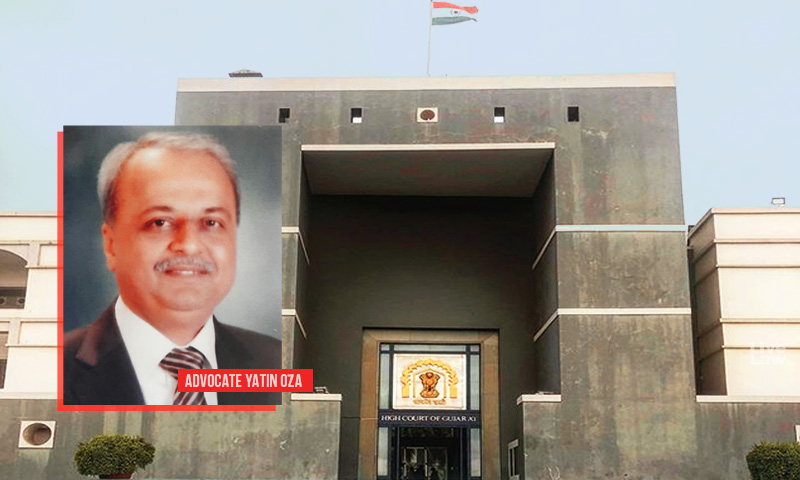
Court & Contempt: Dissent From The Bar
On 9th June, 2020, a Division Bench of the Gujarat High Court led by Justice Sonia Gokani took suo motu cognizance of the statements made by Mr. Yatin Oza, President of the Gujarat High Court Advocates Association and proceeded to initiate criminal contempt proceedings against him. This is not the first time in recent years when Mr. Oza has found himself to be in hot water. As recently as 2016, the Supreme Court was seized of a matter involving contempt alleged to have been committed by...

The Transforming Landscape Of Dispute Resolution: Online Mediation And COVID-19
Introduction COVID - 19 has been posing challenges to every imaginable aspect of our life. Businesses have either shut operations or are forced to embrace digital transformation by working from home. This does not mean that the scope of disputes arising in the society has diminished. On the contrary, the pandemic has brought with itself a unique set of disputes. Most businesses/people might find themselves unable to fulfil their obligations which were consented to without the...
PIL : A Misunderstood Jurisprudence
None can escape the anguish and sinking feeling that sets in on witnessing the dehumanizing and painful sufferings of the lakhs of migrants (including toddlers and children) on account of the lockdown in the wake of the Covid 19 pandemic – a haunting spectacle that drew parallels with the horrors of the Partition. The media is abound with heart breaking reports and articles graphically describing the hunger, disease and death amongst this vulnerable section of society which continues to...

Information On Misinformation: Where We Are To Where We Could Be
Tedros Adhanom Ghebreyesus, the director general of the World Health Organization, aptly warned us right at the start of the pandemic that "We're not just fighting an epidemic; we're fighting an infodemic. Fake news spreads faster and more easily than this virus, and is just as dangerous..if the problem is not solved, then we are headed down a dark path that leads nowhere but division and disharmony." From a socio-cultural perspective, today digital technology is largely synonymous with...
Sexual Violence Against Children And Gender Disparity In The Law
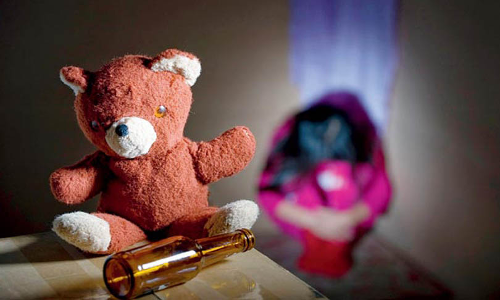
The protection of children from sexual violence is a fundamental responsibility of every state. Such protection must not only be effective, but must also be comprehensive enough to ensure that no child is left more vulnerable than any other, regardlessof economic standing, gender or otherwise. In India, however, the law as it stands does not provide parity in the protection it affords children of both sexes. There exists a disparity in law that is in effect based on the gender of the...

Lengthy Judgments: Do They Appeal To General Public?
"However, the learned counsel...cannot derive the fullest succour from the aforesaid acqueisence... given its sinew suffering partial dissipation from an imminent display occurring in the impunged pronouncement here at where within unravelments are held qua the rendition recorded by the learned Rent Controller..." This excerpt from a judgement of Himachal Pradesh High Court in 2016 is not relevant to this article except to invite the attention of readers towards the language used....