Criminal Law
Evidence Act | Section 27 Recoveries Alone Can't Sustain Conviction : Supreme Court Restores Acquittal In 1988 Murder Case
The Supreme Court on Tuesday (July 28) restored the acquittal of six men in a 1988 murder case, observing that recovery made under Section 27 of the Indian Evidence Act, 1872 (now Section 23 BSA) cannot, by itself, form the basis of a conviction unless the recovered material is clearly connected with the offence through independent evidence. A bench of Justice JB Pardiwala and Justice K...
Suspension Of Sentence Plea Needn't Get Preference If Parties Are Ready To Argue Appeal/ Revision On Merits: Allahabad High Court
The Allahabad High Court has held that where the parties are ready to argue the criminal appeal or the criminal revision on merits, the application for suspension of sentence may not be given preference over final disposal of the criminal appeal or the criminal revision."As per our considered opinion, endeavour of the Court should be to decide the criminal appeal at the earliest if parties...
Recovery Of Stolen Property Alone Can't Sustain Murder Conviction, Attracts Only Section 411 IPC: Andhra Pradesh High Court
The Andhra Pradesh High Court has held that mere recovery of stolen property from an accused is not enough to convict them for murder, robbery, or lurking house trespass based only on circumstantial evidence. [2026 LiveLaw (AP) 161]The Court said the prosecution must prove a complete chain of circumstances that clearly connects the accused to the crime. If it fails to do so, recovery of...

Does Informing Live-In Partner's Father Fulfil Police Duty To Notify Family Of Arrest? Kerala High Court Answers
The Kerala High Court recently granted bail to an NDPS accused after finding that the legal requirement to inform his relative or friend about arrest was not satisfied in the case. [2026 LiveLaw (Ker) 407]Dr. Justice Kauser Edappagath noted that the grounds of arrest was communicated only to the father of the applicant's live-in partner, who is a co-accused (accused No. 2) in the case....
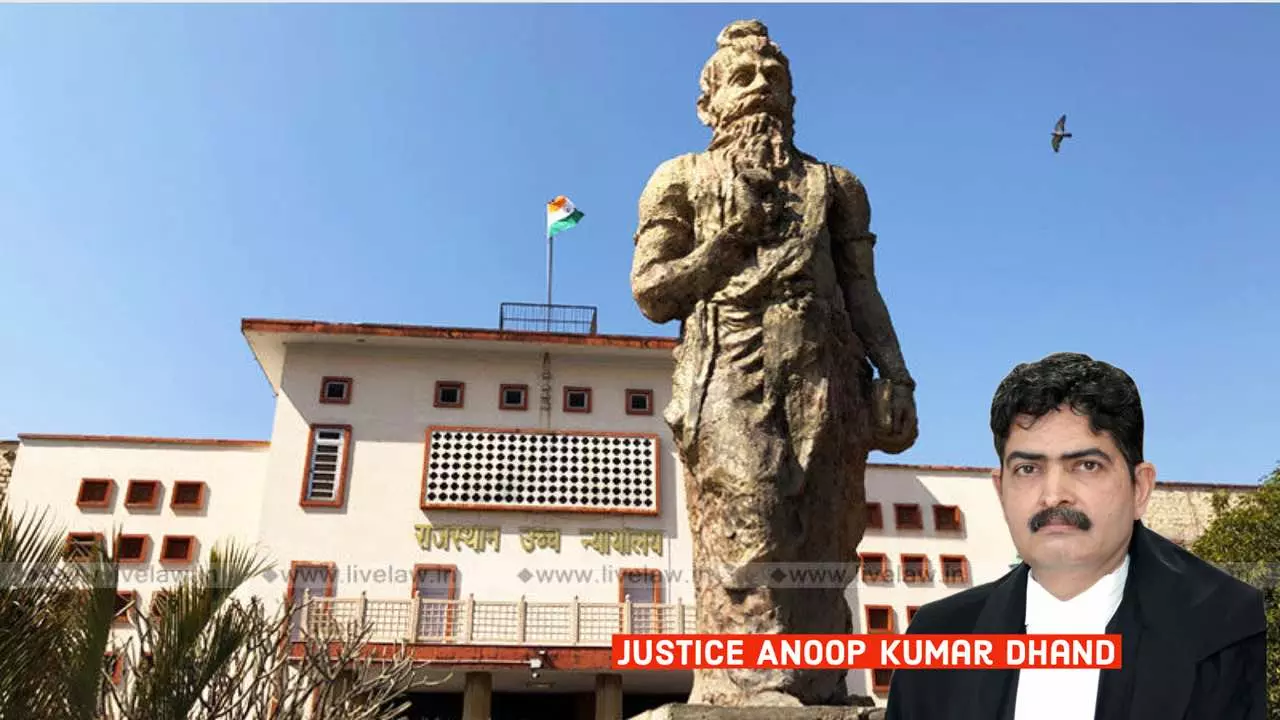
POCSO Acquittal: Rajasthan High Court Quashes Recovery Of Compensation From Police Officer Without Hearing
The Rajasthan High Court recently quashed the recovery of ₹3 lakh compensation from a police officer in a POCSO case, holding that no adverse order could have been passed against him without first issuing notice and affording him an opportunity of hearing. A Single Judge Bench of Justice Anoop Kumar Dhand observed that the trial court had violated the principles of natural justice by...
Kerala High Court Denies Anticipatory Bail To Man Booked For Hurling Bomb At Wrong House
The Kerala High Court recently denied anticipatory bail to a man, who is booked for hurling a bomb, albeit at the wrong house. [2026 LiveLaw (Ker) 405]Dr. Justice Kauser Edappagath dismissed the pre-arrest bail application filed by the man, who was arrayed by the Kannur Kuthuparamba police in a crime.The offences alleged were those under Section 109(1) [Attempt to murder] of the Bharatiya...
Kerala High Court Denies Pre-Arrest Bail To DYFI Leaders Accused Of Assaulting Police During Liquor Policy Protest
The Kerala High Court on Monday (July 27) denied pre-arrest bail to six DYFI leaders, who were booked for assaulting police officers during protest march against the State's liquor policy. [2026 LiveLaw (Ker) 404]Dr. Justice Kauser Edappagath found that the allegations against the applicants were very serious and that custodial interrogation is necessary for investigation, which is still in...
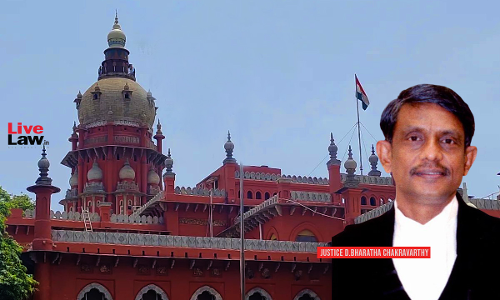
Advocates Must Pay Toll Like Everyone Else, Can't Claim Special Treatment: Madras High Court Quashes Case Over Protest
The Madras High Court has quashed criminal proceedings against lawyers who staged a protest demanding that the Trichy-Chennai highway be made toll-free for advocates, holding that the demonstration was an exercise of their democratic right to protest and did not attract the ingredients of any criminal offence. [2026 LiveLaw (Mad) 346]The Court, however, stated that a road cannot be made...

Teacher Reprimanding Student For Irregular Attendance, Poor Academic Performance Not Abetment Of Suicide: Rajasthan High Court
The Rajasthan High Court has quashed charges under Section 305 IPC against teachers accused of abetting the suicide of a Class XII student, holding that mere reprimand or disciplinary action for poor attendance, academic performance or indiscipline cannot amount to abetment of suicide in the absence of instigation, intentional aid or the requisite mens rea. [2026 LiveLaw (Raj) 304]The bench...
S.457 CrPC | Registration Certificate Alone Not Sole Factor For Interim Release Of Seized Vehicles: Supreme Court
The Supreme Court on Monday (July 27) held that registration certificate alone are not determinative of entitlement to interim custody of vehicles under Sections 451 and 457 of the CrPC.“Registration is a relevant factor, but it is evidentiary and not conclusive of entitlement to interim possession.”, observed a bench of Justice Sanjay Karol and Justice Augustine George Masih,...
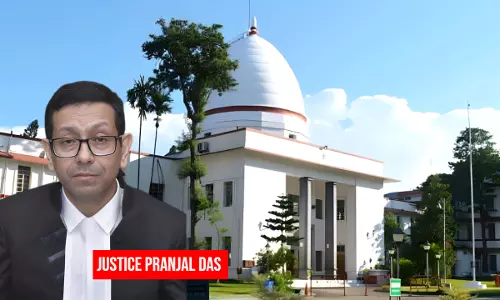
Gauhati High Court Upholds Teacher's POCSO Conviction For Touching Minor's Body With Stethoscope, Pressing Breast & Private Parts
The Gauhati High Court last week upheld the conviction of a school teacher under POCSO Act holding that inappropriately touching a minor's body using a stethoscope, touching her breast, applying ointment on abdomen and touching her private parts on pretext of giving medical examination amounts to sexual harassment.The single judge bench comprising Justice Pranjal Das...