


Articles
Legal History Of Sedition - IPC 124A
The right guaranteed under Article 19 (1) (a) of the Indian Constitution and the independence of the judiciary are the two most essential, most indispensable elements of a democracy. Constructive denigration is the most precarious facet of democratic evolution and freedom of speech and expression should be protected by the Supreme Court, but how should we define amongst constructive denigration and disdain? or rather more essentially how do we distinguish between reasonable...
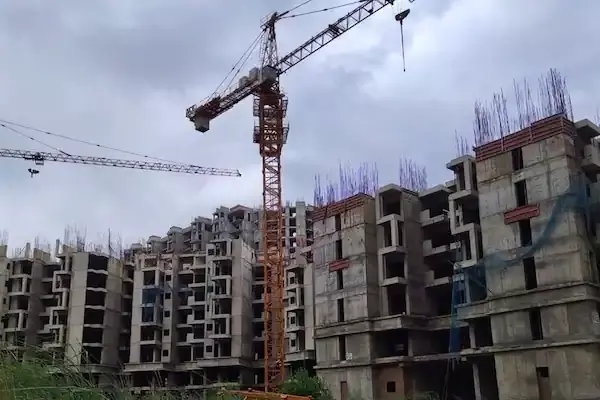
HRERA Regulations For Sale Of Apartments On The Basis Of Carpet Area
Move by HaryanaReal Estate Regulatory Authority, (HRERA) to regulate the sale of apartments/Floors only on the basis of carpet area comes out as a big relief to the homebuyers. Considering the objectives and intentions of the Real Estate (Regulation and Development) Act, 2016 [RERA] and the Rules made thereunder, it was felt that it was the need of the hour to frame regulations on the sale of Apartment/ Floors in a Real Estate Project on the basis of Carpet Area. The purpose of these...

Personal Data Protection Bill & The Surveillance Framework In India
Over the past few days, online news portal The Wire along with 16 other global media organizations have revealed that over 1500 phone numbers across 10 countries have been snooped upon by using a surveillance tool 'Pegasus' made by NSO who have clarified that they sell it only to 'vetted governments. Out of these 1500 numbers, The Wire has confirmed that at least 150 were Indians who were potential targets of this hack.[1] This is not the first time that Pegasus has come in news, in...
CLAT Exam - 2021 (UG) Analysis
CLAT Consortium decided to conduct its 2021 exam offline via a notification last December; this was while we were preparing ourselves to juggle our lives for another year amidst a pandemic. For CLAT organisers, the dismissal of the petition filed in the apex court against the conduct of the offline exam came as a relief at the last moment. Against all odds, the CLAT Exam was conducted successfully on the revised date of 23rd July, 2021 across centres all over India. As per unofficial...
A Letter To CLAT Consortium
Common Law Admission Test (CLAT) which is India's biggest entrance examination for admission into National Law University has been completed successfully on July 23, 2021. This year examination was conducted following all the COVID-19 safety protocols. The examination was conducted in offline mode across the various different centres in India. The provisional answer key has been released by the Consortium of NLUs soon after the examination. Along with it, the window to raise objections...
It Is Time For The Govt To Redeem Itself And Repeal UAPA
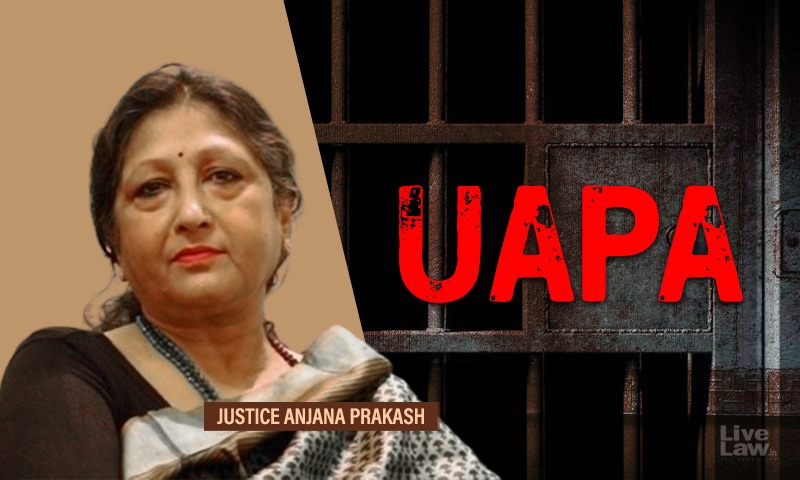
Whether UAPA fits in with India's Constitutional framework, the International Covenants it has signed , its adversarial system of trial, and whether the Supreme Court correctly decided the legality of the law's bail pre- conditions - which are so irksome and a source of abuse- are questions that need urgent answers. Though the statue was brought in with an objective contrary to what we see today, the UAPA over the years has degenerated into a lethal weapon to quell dissent, and...
Escrows and Specific Capital Account Regulations – A Brief Study
Every country that seeks Foreign Investment in a global and competitive market has to ensure that, its laws/ regulations are in sync with the ground realities and expectations of the global and domestic business community, while keeping in mind the national interest. This article seeks to study specific FEMA regulations, specifically those regulations where escrow accounts may have a role to play, with the intent of suggesting modifications/ alternatives basis transactional experience of...
The Concept Of State Immunity In India & Section 86 Of CPC
Ministry of External Affairs of India, on June 4,2021, gave permission to a French Company, Ultraconfidentiel Design Private Limited to sue Spanish Embassy in India for recovery of Rs. 7.08 lakh along with interest for services rendered by the company, under Section 86 of the Civil Procedure Code. Because of the immunity that is accorded to the embassy, Consent of the government is required, before the aggrieved party goes to the court, so that any kind of frivolous suits against them can...
Anti-Anti-Suit Injunction (AASI) A Resort To Counter Deliberate Disdain And For Judicial Comity
On 3rd May 2021, the Delhi High Court passed an interim anti-anti-suit injunction (AASI), India's first ever, in the case of Interdigital Technology Corporation and Others vs. Xiaomi Corporation (I.A. 8772/2020 in CS(COMM) 295/2020). The case was regarding the alleged use of technology of Interdigital's standard ssential patents (SEPs) by Xiaomi sans proper permission. The judgment, delivered by Justice C.Hari Shankar, ordered that the defendant, Xiaomi Corporation, shall remain...

Cyber Sabotage Of Critical Infrastructure: India's Mounting Vulnerability And Scattered Policies
Cyber sabotage of critical infrastructure is a new-age threat that has exploded majorly in the last decade. As outlandish as it may sound, it is a reality that has become so intrusive that even the common-man has started feeling its heat. Unauthorised transactions from one's bank account to lengthy cyber-attack induced power outages bringing an entire metropolis to a standstill, such incidents have become common across all nations of the world. But how are our lawmakers dealing with this...